
Vandaag of morgen in huis

Kwaliteit gegarandeerd

Welkomstaanbiedingen ontgrendelen: GRATIS bezorging | Tot 80% korting | Gratis 30 dagen JoyPlus-proefperiode
Download de app
Buying a body lotion seems simple: choose a familiar brand, a large bottle and a promise such as “48-hour hydration”. Yet formulas can vary considerably. A lotion for normal skin does not necessarily offer the same care as a body lotion for very dry skin. Likewise, a pleasant fragrance may be less suitable when you are looking for a body lotion for sensitive skin.
So do not focus only on the front of the packaging. The ingredients, volume, application and overall experience determine whether a product is practical for you.
Brands sometimes claim 24, 48 or 72 hours of hydration. Based on the brand’s own research or clinical evidence, such a claim may apply under specific test conditions. That does not automatically mean everyone will have the same experience. Showering, cold weather, dry air and the amount of lotion used all affect the result.
So look at the formula as well. Glycerine, oils and ingredients such as hyaluronic acid can help attract moisture or leave the skin feeling supple. A claim such as “body lotion with hyaluronic acid” is not, by itself, a guarantee that the product will suit you.
A product may be dermatologically tested or described as hypoallergenic and still contain perfume or fragrance allergens. Check the ingredients list for substances including Parfum, Limonene, Linalool, Geraniol and Citronellol.
When looking for a fragrance-free body lotion, products without added fragrance are the most logical ones to compare. Even so, a fragrance-free formula can still cause irritation in some individuals. Stop using it if you experience redness, swelling or a burning sensation, and consult a doctor if symptoms persist.
A 400 ml body lotion bottle may seem appealing for everyday use or a family. But if the formula does not feel comfortable on the skin, the bottle may remain unused. A smaller 200 or 250 ml pack can be more practical for a first purchase or for taking with you.
Also pay attention to multi-buy offers. Compare the price per 100 ml and check that all the packs contain the same variant.
Start by choosing according to your skin’s needs:
Body milk is often more fluid than a rich body cream. This means a body milk spreads easily over larger areas, while a thicker lotion may be more suitable for rough patches.
Ingredients are listed in descending order of quantity, although there are exceptions for ingredients used in low concentrations. The first ingredients therefore give you an initial impression of the formula’s base.
Look at the difference between:
Always compare claims such as “100% pure hyaluronic acid” or “natural ingredients” with the full INCI list. The ingredients list on the packaging is the definitive source, as formulas can change.
A lotion that absorbs quickly is well suited to morning use or warmer days. A richer formula may feel more comfortable after showering or on dry skin, but it may take longer to absorb fully.
Apply body lotion to clean, slightly damp skin. This helps you spread the product more evenly and avoid using more than necessary. If you have sensitive skin, test a small amount on a limited area of skin first.
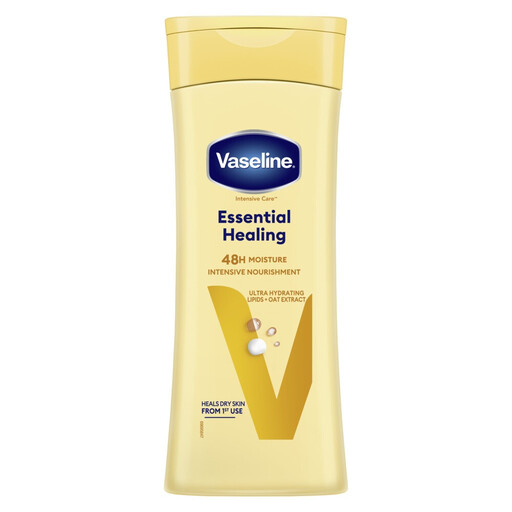
Why it suits this profile: The 400 ml size is practical for everyday use, and the description mentions a fast-absorbing formula for dry skin.
The larger size helps reduce waste caused by packs that are too small. However, always check the current ingredients list: the product information mentions both “unscented” and fragrance in the INCI list.
400 ml; dermatologically tested according to the product information; glycerine, petrolatum and oat extract are included in the ingredients list.
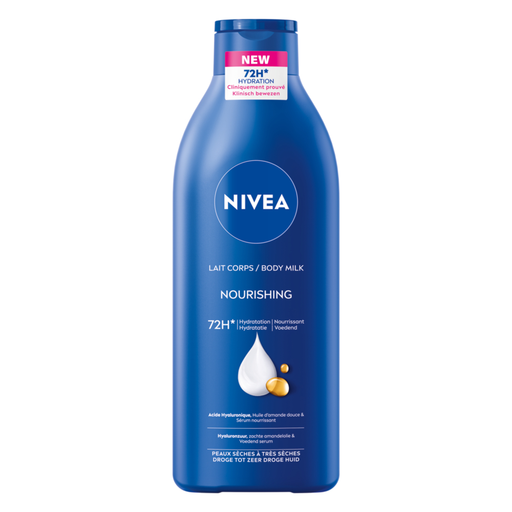
Why it suits this profile: This body milk combines a large size with hyaluronic acid and almond oil, as well as a light, non-greasy texture according to the product description.
The ingredients list shows that perfume and several fragrance allergens are present. This prevents you from expecting a fragrance-free formula based solely on the hydration claim.
400 ml; sodium hyaluronate and almond oil listed; up to 72 hours of hydration and fast absorption according to NIVEA’s own research.
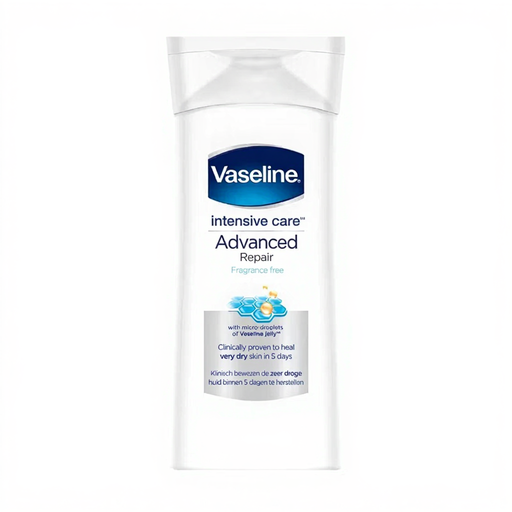
Why it suits this profile: According to the product details, this variant is intended for very dry skin and is fragrance-free according to the stated product specifications.
This variant is clearly distinguished from fragranced lotions. Always check the packaging before use, as ingredients and labels can change.
400 ml; fragrance-free formula according to the product details; glycerine, dimethicone, petrolatum and Vaseline jelly are listed.
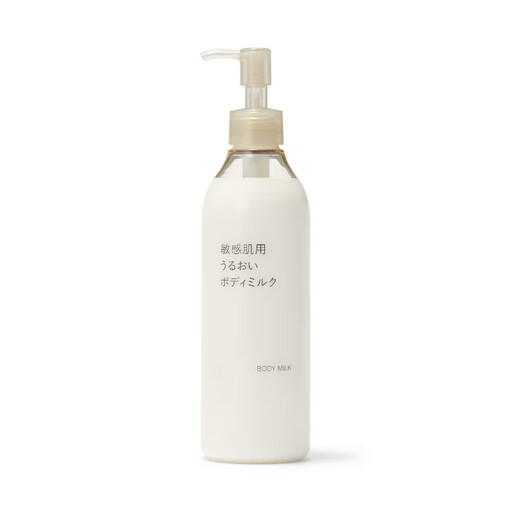
Why it suits this profile: The product information describes a fragrance-free, colourant-free and alcohol-free formula containing ceramides and amino acids.
The stated absence of fragrance and alcohol makes the choice clearer for users who wish to avoid these ingredients. “Allergy tested” does not rule out an individual reaction.
300 ml; no perfume, colourants, mineral oil, parabens or alcohol according to the product description; contains ceramides and five amino acids.
We have put together a complete, up-to-date list of products that fully meet these strict selection criteria and the applicable European safety regulations.
For everyday skincare, apply body lotion straight after showering to clean, slightly damp skin. If you have very dry skin, reapplying later in the day may feel beneficial. Always follow the instructions for use on the packaging.
Check the expiry date and the open-jar symbol on the packaging. Store lotion somewhere cool and dry, away from direct sunlight. If the smell, colour or texture changes, stop using the product.
Not necessarily. The price per 100 ml, the amount required and how often you need to reapply are more important. In practice, a fast-absorbing body lotion that you enjoy using every day may offer better value than a larger bottle that remains unused.
