
Vandaag of morgen in huis

Kwaliteit gegarandeerd

Welkomstaanbiedingen ontgrendelen: GRATIS bezorging | Tot 80% korting | Gratis 30 dagen JoyPlus-proefperiode
Download de app
A body lotion may seem like a simple product, but there are big differences between lotions, body milk and moisturising emulsions. A lightweight lotion can feel lovely after a shower, while a richer body milk may be a better fit for dry skin. Fragrance, ingredients, packaging and size can all affect how happy you are with your purchase.
When comparing products, look out for these common pitfalls:
Start by considering your skin type and when you’ll use the lotion. Normal skin usually needs no more than a lightweight, moisturising body lotion for everyday use. For dry skin, look out for common ingredients such as glycerine, oils, shea butter, petroleum jelly-like ingredients and dimethicone.
For very dry skin, you could look for:
Body milk is generally richer and creamier than a lightweight lotion. This makes it an appealing option for dry to very dry skin, but less suitable if you want to get dressed straight away and prefer a very light feel on your skin.
Not every product labelled “lotion” is a body lotion. According to the product information, Anua Heartleaf 70% Daily Lotion is designed for the face and comes in a 200 ml size. Clinique Moisture Surge 100H and Clinique Dramatically Different Moisturizing Lotion+ are also face products. So don’t automatically use a face lotion all over your body: follow the packaging and stated directions for use.
A fragranced lotion may smell lovely, but it isn’t practical for everyone. On the ingredients list, fragrance is usually shown as “parfum” or “fragrance”. Other substances, such as limonene, linalool, citronellol and geraniol, may also be listed separately.
According to the product description, MUJI Sensitive Skin Body Lotion contains no added fragrance, colourants, mineral oil, parabens or alcohol. MUJI also says the formula has been allergy-tested, while noting that an allergic reaction is still possible. If you experience redness, swelling or irritation, it’s best to stop using the product and seek medical advice.
Compare more than just the price of the bottle: check the size too. A 400 ml pump bottle is handy for everyday use, while a 200 ml bottle is easier to take with you. A multipack may bring down the price per millilitre, but only if you use the product regularly and like its fragrance or formula.
Apply body lotion to clean skin, preferably shortly after a shower. Your skin won’t be completely dry yet, making the lotion easier to spread evenly. Apply a little extra to your elbows, knees, shins and heels. Always follow the instructions on the packaging and avoid contact with your eyes.
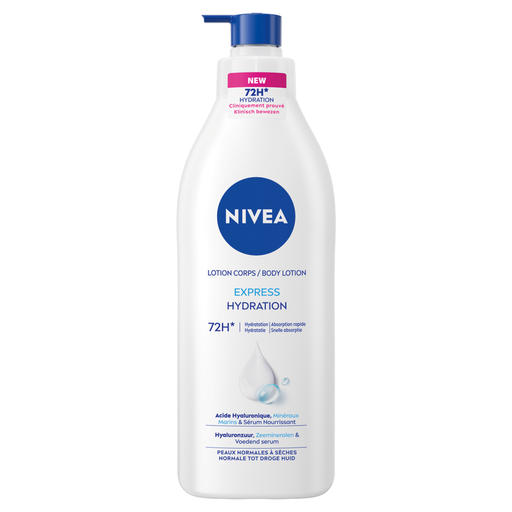
Why it suits this shopper: The pump bottle and lightweight formula are practical for everyday use. According to the product information, the lotion contains hyaluronic acid and is designed for normal to dry skin.
The 400 ml size makes it easier to use the lotion regularly without having to buy a new bottle too soon. If you want to avoid fragrance, check the listed fragrance ingredients.
400 ml, pump bottle, glycerine and sodium hyaluronate on the ingredients list, according to the product information.
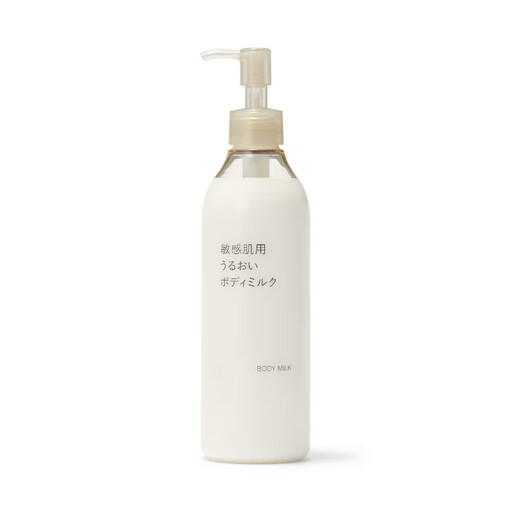
Why it suits this shopper: If you’re looking for a simple, fragrance-free body lotion, MUJI says this formula contains no added fragrance, colourants, mineral oil, parabens or alcohol.
The product description gives a clearer picture of what the formula does and doesn’t contain than a general claim such as “mild”. Always check the current packaging before you buy.
300 ml, no added fragrance according to the product information, with ceramide and five types of amino acids.
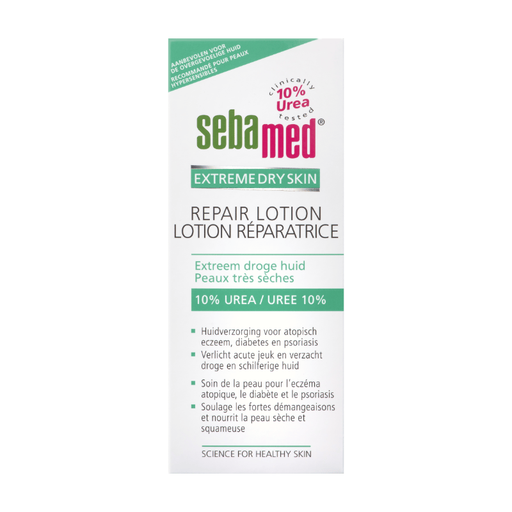
Why it suits this shopper: This lotion is designed for dry patches and contains 10% urea, according to the ingredients list. It’s a relevant option for shoppers specifically looking for a body lotion for dry skin.
The concentration of the featured ingredient is clearly stated in the product name. However, the formula also contains fragrance, so if you’re looking for a fragrance-free body lotion, you’ll need to choose another product.
10% urea, glycerine and almond oil according to the ingredients list; designed for use on dry patches as needed.
We’ve put together a complete, up-to-date list of products that meet these strict selection criteria and the applicable European safety regulations.
For normal to dry skin, once a day is often a good place to start, for example after a shower. You can apply it more often to very dry patches, following the product instructions. Don’t automatically use more: a thin, even layer is usually enough.
Body milk is often richer and contains a relatively high amount of oils or butters. Body lotion can be lighter and absorb more quickly. Don’t go by the name alone: check the texture, ingredients and stated skin type too. A lightweight moisturising lotion may feel more comfortable under clothes for everyday use, while a richer body milk may be a better fit for very dry skin.
Not as a rule. Your face may react differently to fragrance, oils and preservatives. Choose a product that’s specifically labelled for the face, such as a face lotion or facial moisturiser. Check the instructions too, and stop using it if irritation occurs.
