
Vandaag of morgen in huis

Kwaliteit gegarandeerd

Welkomstaanbiedingen ontgrendelen: GRATIS bezorging | Tot 80% korting | Gratis 30 dagen JoyPlus-proefperiode
Download de app
Buying a daily body lotion or body cream might seem straightforward – until you’re faced with dozens of scents, textures and ingredients. A light lotion can feel pleasant, but for dry skin it may not offer enough care. A rich cream, on the other hand, can sit on the skin for longer. And an attractive claim on the packaging doesn’t always tell you how the product will fit into your routine.
With this practical selection guide, you can compare body lotion and body cream based on skin type, ingredients, fragrance, volume and ease of use. That way, you avoid paying for a pretty bottle or a popular marketing claim.
A scented body cream can be lovely, but perfume and fragrance ingredients aren’t suitable for everyone. If you have sensitive skin or are prone to redness, it’s wise to check the ingredients list beforehand. Look out for perfume and individually listed fragrance ingredients such as limonene, linalool or citronellol.
A fragrance-free formula isn’t automatically necessary, but a heavily perfumed lotion may not be the best match for sensitive skin. Always test a new product on a small area of skin first, and stop using it if irritation occurs.
Words like “intense hydration”, “restorative” or “radiant skin” are no guarantee that a formula will suit your skin. Instead, look for verifiable information:
According to the brands’ own information, certain ingredients may offer additional benefits. Treat such claims as product information from the brand, not as a guaranteed result.
A 300 ml body lotion might seem better value than a 200 ml pot, but the right amount depends on how often you apply it and how much product you need. A rich body cream is usually used more sparingly than a thin lotion. So compare the price per 100 ml and check whether you’re buying a single product or a multi-pack.
A fast-absorbing body lotion is handy after a shower or when you want to get dressed straight away. This texture often suits normal skin and daily use.
A nourishing body cream is richer and can be more comfortable when your skin feels tight or dry. A body cream isn’t necessarily better for everyone: a rich formula can feel heavy on oily skin.
Check whether the product is intended for the body. Not every cream is a body product. For example, the Clarins Super Restorative Rose Radiance Cream from the range is designed for the face and therefore doesn’t belong in a comparison of body lotion and body cream.
Also pay attention to the skin types listed. “For all skin types” means the brand positions the product broadly, but it doesn’t mean every user will have the same experience. For dry skin, ingredients like glycerine, shea butter and oils are practical points to look for. For sensitive skin, a patch test and a limited amount of fragrance are more important.
A luxury body lotion is often about both skin feel and fragrance experience. Look at the scent profiles: fresh, floral, fruity, warm or woody. If you’re looking for a vegan body cream, check that the vegan claim is actually stated in the product information. For the Molton Brown Coastal Cypress & Sea Fennel Body Lotion, this is indicated as vegan and paraben-free according to the product details.
Always check the current packaging for shelf life, warnings and the period after opening. The symbol 12M usually means the product is intended for use within twelve months of opening, unless the packaging states otherwise.
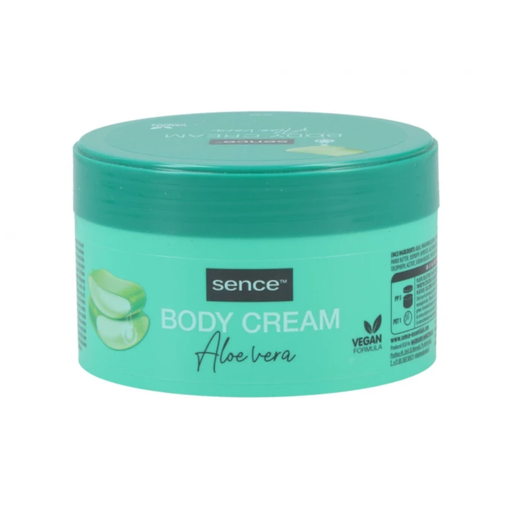
Why this fits the profile: A straightforward 200 ml pot for anyone looking for a simple body cream for daily use.
The variant and volume are clearly stated, so you don’t have to rely solely on a general hydrating claim.
Aloe vera variant, body cream texture and 200 ml volume; the packaging includes shelf life information.
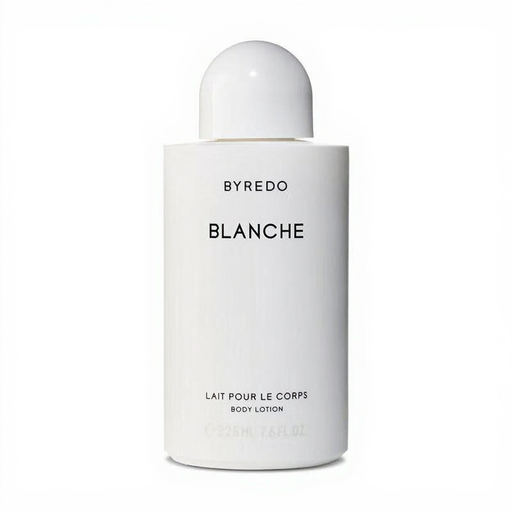
Why this fits the profile: For users who want to combine body care with a refined, light fragrance profile.
The product description mentions the lotion texture, quick absorption and fragrance profile, so you can compare more effectively.
225 ml volume, body lotion for the whole body and a fragrance featuring white rose, sandalwood and neroli.
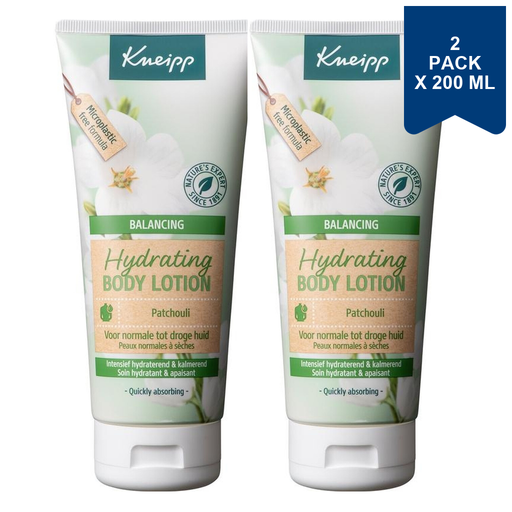
Why this fits the profile: A 2-pack is practical for daily use, for example in the bathroom and as a backup.
The ingredients list and usage instructions are available, so you can check the perfume and nourishing components.
Two 200 ml bottles; the formula includes shea butter, almond oil, coconut oil, panthenol and vitamin E.
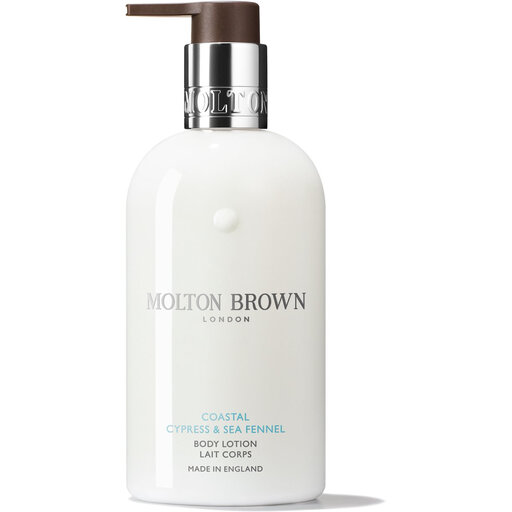
Why this fits the profile: For anyone looking for a hydrating body lotion with a distinctive maritime fragrance profile and a 300 ml volume.
The fragrance notes, volume, application and ingredients are all described in detail, so you can compare the scent and formula with other lotions.
300 ml volume; according to the product details, it is vegan and paraben-free, with ingredients including glycerine, shea butter and macadamia oil.
We’ve put together a full, up-to-date list of products that fully meet these strict selection criteria and comply with current European safety regulations.
Body lotion is usually lighter and absorbs more quickly. Body cream often has a richer texture with more oils or butters. For dry skin, a rich body cream can feel more comfortable, while a lotion is handy for daily use and getting dressed quickly.
Check the expiry date and the symbol for the period after opening on the packaging. Store the product in a cool, dry place away from direct sunlight. If the scent, colour or texture changes, do not use it. The information on the packaging is the most important guide.
For most routines, once a day after showering is practical. Apply the lotion or cream to clean, dry skin and massage it in gently. If you have sensitive skin, it’s wise to do a small patch test first.
