
Vandaag of morgen in huis

Kwaliteit gegarandeerd

Welkomstaanbiedingen ontgrendelen: GRATIS bezorging | Tot 80% korting | Gratis 30 dagen JoyPlus-proefperiode
Download de app
Body lotion may seem like a simple product, but the range varies considerably in texture, ingredients, fragrance and intended use. A lightweight body milk can feel pleasant after showering, while a body cream may be better suited to tight-feeling or very dry skin. If you focus only on attractive packaging or a promise such as “72-hour hydration”, you may end up buying a product that does not fit well into your daily routine.
Claims such as 48-hour hydration or 72-hour hydration come from the brand’s product information and testing conditions. According to NIVEA’s own research, Caring Body Milk provides up to 72 hours of hydration; Vaseline states up to 48 hours. This does not automatically mean that everyone will go that long without needing to reapply. Showering, shaving, dry air and the condition of your skin all affect how long a product feels comfortable.
So do not just look at the number of hours. Consider the ingredients, your skin type and how often you want to use the lotion.
A body lotion for sensitive skin is not necessarily fragrance-free. Always check the ingredients list. According to the product description, MUJI Sensitive Skin Body Lotion is offered without fragrance, colourants, mineral oil, parabens or alcohol. Other lotions do contain fragrance or named fragrance allergens, such as limonene, linalool or geraniol.
A gentle formulation is not a guarantee that every skin type will tolerate the product. If in doubt, first test a small amount on a limited area of skin and stop using it if irritation occurs.
A nourishing body lotion or body cream can feel pleasant on dry areas, but a heavy texture is not always ideal on a busy morning. Look for descriptions such as fast-absorbing body lotion, “non-greasy” and “lightweight formula”. These terms say something about the user experience, but they are not universal standards. The best choice depends on your preferences and how much you apply.
Everyday body care products often combine humectants, emollients and occlusive ingredients:
An ingredients list tells you what a product contains, but it cannot fully predict how your skin will respond.
A body milk is often thinner and easier to spread over larger areas. Body lotion usually sits somewhere between milk and cream. A body cream is generally richer and may be suitable for the knees, elbows, shins and other dry areas.
For dry to very dry skin, look for a combination of glycerine, oils, butters and occlusive ingredients. For sensitive skin, some users may prefer a short, straightforward ingredients list without fragrance. If you are mainly looking for comfort after showering, you could choose a fast-absorbing formula.
Do not compare just the price of a bottle; consider the size as well. Many products in this range contain 200 to 400 ml, while a multipack can be useful if you apply lotion every day. Also check the shelf-life information and the period after opening shown on the packaging. The official product packaging takes precedence, as formulas and labels may change.
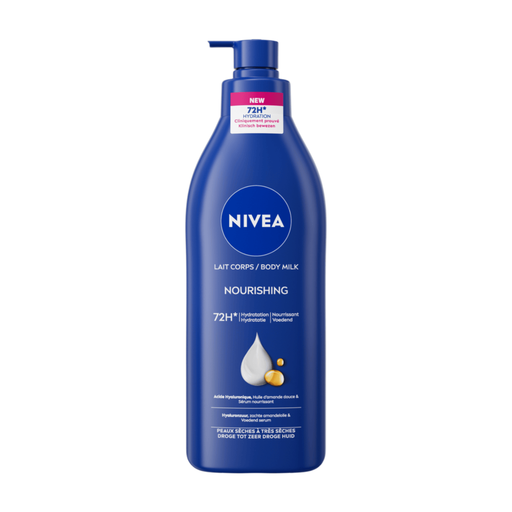
Why it suits this profile: The 400 ml bottle is practical for daily use over the whole body. The product description refers to a lightweight, non-greasy formula for dry to very dry skin.
The description mentions both the texture and the intended skin type. However, check the fragrance and other scent ingredients in the ingredients list.
400 ml; with glycerine, sodium hyaluronate, almond oil and a nourishing serum according to the product information.

Why it suits this profile: This body milk combines nourishing care with a formula that, according to the product description, absorbs quickly. It is a good fit for anyone who values comfort and a pleasant fragrance.
The product information states the size, target group and how to use it. The listed fragrance and perfume are clearly shown in the ingredients list.
400 ml; up to 48 hours of hydration according to the product description; intended for normal and dry skin.
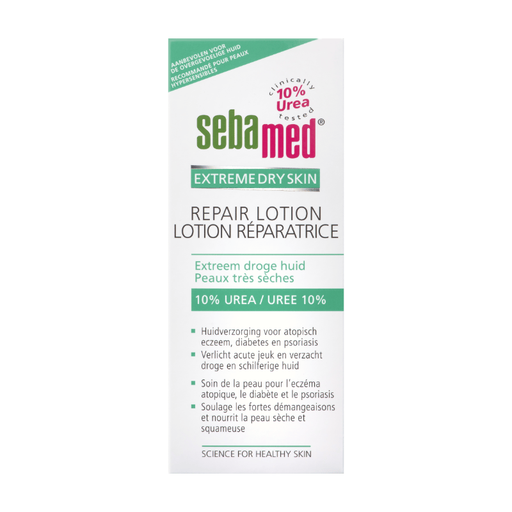
Why it suits this profile: This lotion is designed for extremely dry areas and contains 10% urea. This makes its product specification clearer than a general claim about “intensive care”.
The urea concentration is clearly stated. Use the product according to the label and stop if irritation occurs; it is not a substitute for medical advice.
10% urea; 200 ml; intended to be applied to dry areas as needed.
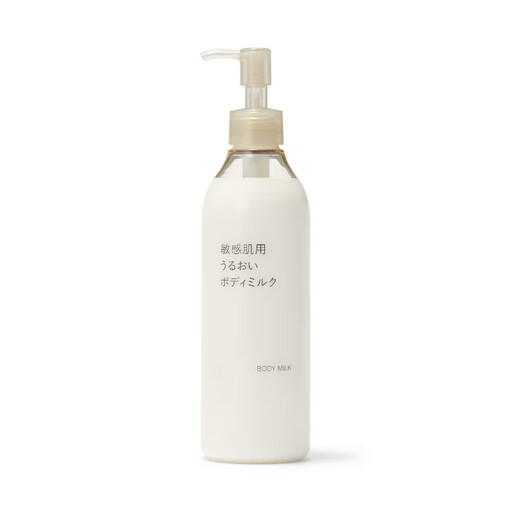
Why it suits this profile: The product description mentions a fragrance-free formula with ceramides and five types of amino acids. This suits users looking for a simple, fragrance-free body lotion.
According to the product information, no fragrance, colourants, mineral oil, alcohol or parabens are added. Check the label when purchasing.
300 ml; fragrance-free according to the product description; contains ceramides and plant extracts.
We have put together a complete, up-to-date list of products that fully meet these strict selection criteria and the applicable European safety requirements.
Apply body lotion to clean skin, preferably after showering. Pat your skin dry and apply the lotion while it is not yet completely dry. Spread the product evenly and give richer body cream extra attention on the knees, elbows and heels.
If you use a self-tanning body lotion, take extra care to apply it evenly and thoroughly. Wash your hands after applying it, allow the lotion to absorb fully and wait until your skin feels dry before putting on light-coloured clothing. NIVEA Q10 Firming + Bronze states that the colour builds gradually and is intended for light to medium skin tones. According to NIVEA’s own research, an improvement in skin elasticity is also reported from seven days onwards. This is a brand claim under the stated testing conditions and is not a guarantee for every user.
For normal skin, once a day is often a practical starting point, for example after showering. Dry skin may need another application, particularly on the shins, hands, knees and elbows. Always follow the instructions on the packaging.
Body milk is usually thin and easy to spread. Body lotion has a medium-weight texture for everyday use. Body cream is often richer and suits anyone looking for more nourishment or comfort on dry areas. The names are not completely standardised, so also consider the ingredients and the product description.
Check the packaging for the use-by date or the symbol showing the period after opening, such as 12M. Keep the bottle closed, dry and out of direct sunlight. If the fragrance, colour or texture changes, stop using the product.
