
Vandaag of morgen in huis

Kwaliteit gegarandeerd

Welkomstaanbiedingen ontgrendelen: GRATIS bezorging | Tot 80% korting | Gratis 30 dagen JoyPlus-proefperiode
Download de app
Dry skin can feel tight, become flaky and sometimes react quickly to perfume or other ingredients. However, not every body lotion is suitable for daily use. Luxurious packaging, a promise of long-lasting hydration or a popular ingredient does not, on its own, say much about whether a product is right for your skin type.
With this practical buying guide, you can compare hydrating body lotion, body milk and moisturising lotion based on skin type, ingredients, use and volume.
Brands sometimes mention a specific number of hours of hydration, a repairing effect or an improvement in the skin barrier. You should read this information as a product claim. According to the brand’s own research, a particular duration of use or effect may, for example, have been established; that does not automatically mean everyone will experience the same result.
So pay particular attention to verifiable information:
Anyone looking for a lotion for sensitive skin often focuses only on words such as “mild” or “nourishing”. Always check the full ingredients list. Terms such as parfum, limonene, linalool or other fragrance substances may be relevant if you prefer to avoid fragrances.
A fragrance-free body lotion is not automatically suitable for every sensitive skin type. Even without perfume, other ingredients can cause an individual reaction. So test a new product on a small area of skin first and stop using it if irritation occurs.
A lotion for the face often has a different texture and packaging from body milk. A product such as lotion for the face and body can be practical, but check the stated application. Facial cream is usually more expensive per millilitre and is sold in smaller quantities. For larger areas of the body, a bottle of body lotion is often better value.
For normal skin, a light, fast-absorbing lotion can be pleasant to use. Dry to very dry skin often benefits from a richer body milk containing ingredients such as glycerine, oils, petroleum jelly or occlusive substances that help limit moisture loss.
Choose according to your daily routine:
Glycerine acts as a humectant and is found in many hydrating formulas. Sodium hyaluronate is a form of hyaluronic acid that you often see in a body lotion with hyaluronic acid or a facial product. Oils, shea butter, dimethicone, petrolatum and mineral oils provide a different type of nourishment and may leave a protective layer on the skin.
The position in the ingredients list gives an indication of the quantity, but does not tell you everything about the final feel on the skin. Also consider texture: a rich lotion may be better suited to dry skin, while a lightweight formula can feel more comfortable after showering or under clothing.
Do not compare only the price of the bottle; consider the volume too. A 400 ml product may be better value for daily use than a 50 ml jar or tube. A smaller pack is handy for trying a product for the first time or taking it on holiday.
Also check the shelf-life information on the packaging. The manufacturer will state either the use-by date or the period after opening. Use the lotion according to the label and avoid contact with the eyes.
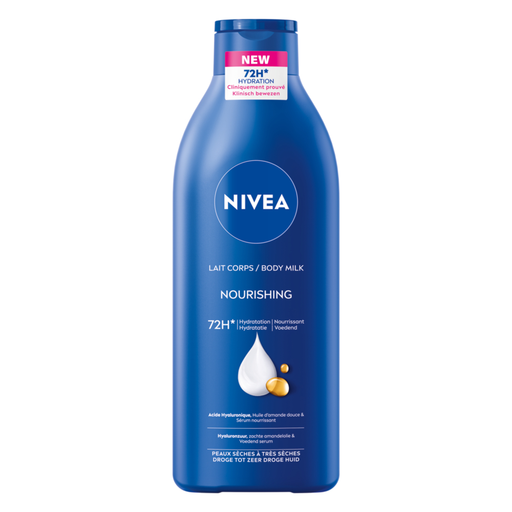
Why it suits this profile: The large bottle is practical for daily use on dry to very dry skin. According to the product information, the formula contains hyaluronic acid, almond oil and a nourishing serum.
The intended skin type, volume and ingredients are clearly stated. Do check the ingredients list for perfume and fragrance substances if you wish to avoid them.
400 ml; contains sodium hyaluronate and almond oil; according to the product description, non-greasy and fast-absorbing.
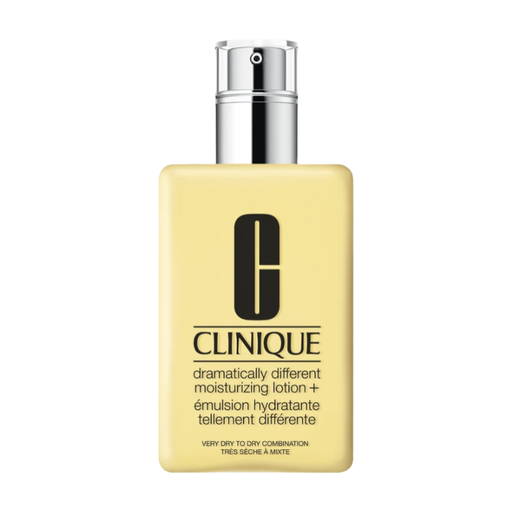
Why it suits this profile: This is a facial lotion for adults with very dry to dry/combination skin. The product information states that it has a fragrance-free formula and is suitable for use on the face and neck.
Its intended use is clearly limited to the face and neck. This means you do not use a small, relatively expensive facial cream on large areas of the body.
125 ml; fragrance-free according to the product information; contains glycerine, dimethicone, petrolatum and sodium hyaluronate.
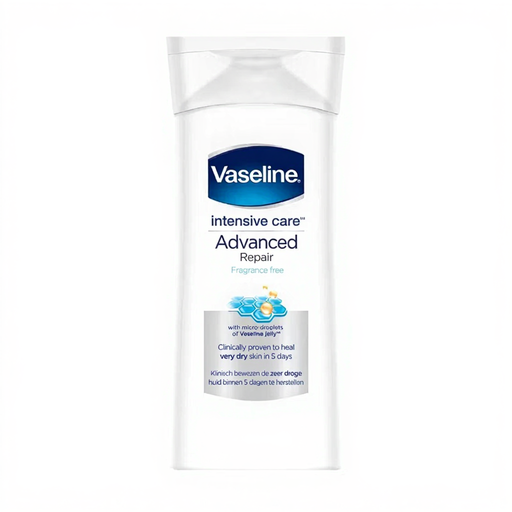
Why it suits this profile: The product information focuses on very dry skin and states that the formula is fragrance-free. The lotion is suitable for daily use and can be reapplied when needed.
According to the product details, the formula contains no perfume. Check the current packaging, as ingredients and product information may change.
Developed for very dry skin; fragrance-free according to the listing; contains glycerine, dimethicone, petrolatum and nourishing lipids.
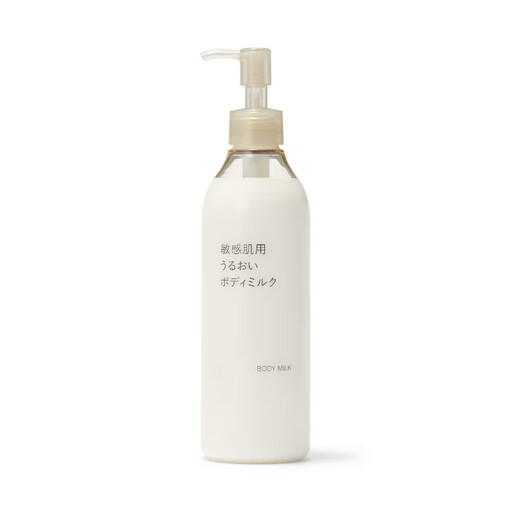
Why it suits this profile: The product description mentions a fragrance-free, colourant-free and alcohol-free formula. The lotion is intended for the body and contains ceramides, plant extracts and amino acids, among other ingredients.
The main exclusions are stated in the product information. However, “hypoallergenic” or “allergy tested” does not rule out an individual reaction.
300 ml; no perfume, colourants, mineral oil, parabens or alcohol according to the listing; intended for use all over the body.
We have put together a complete, up-to-date list of products that fully meet these strict selection criteria and the applicable European safety regulations.
Ideally, apply the lotion to clean skin after showering, while it is still slightly damp. Spread an even amount over your skin, paying extra attention to your shins, elbows and knees. A fast-absorbing body lotion is useful if you want to get dressed straight away, but still allow the lotion a little time to sink in.
Only use a product intended for the face on the body if the manufacturer allows this. If you experience persistent redness, swelling, itching or other symptoms, it is advisable to stop using the product and seek medical advice.
For dry skin, daily use is a practical starting point, for example after showering. Very dry skin may require reapplication. Always follow the usage instructions on the packaging.
Body milk is often somewhat more fluid and is generally marketed for larger areas of the body. Body lotion can be lightweight or rich; the terminology is not used consistently everywhere. So focus primarily on skin type, texture and ingredients rather than the product name alone.
You can only do so if the product is suitable for that purpose, but it is often less economical because of the smaller volume. A lotion for the face and body is a practical choice if both uses are explicitly stated on the label.
