
Vandaag of morgen in huis

Kwaliteit gegarandeerd

Welkomstaanbiedingen ontgrendelen: GRATIS bezorging | Tot 80% korting | Gratis 30 dagen JoyPlus-proefperiode
Download de app
A body lotion should be simple: apply it, let it sink in and get on with your day. Yet many people buy a product that does not suit their skin or daily routine. A lotion may be too thin for very dry skin, too heavily fragranced for sensitive skin or simply too slow to absorb when used in the morning.
That is why the right choice starts not with a striking claim on the packaging, but with skin type, ingredients, texture and ease of use.
Claims such as “48-hour” or “72-hour hydration” sound clear, but they do not automatically mean that every skin type will feel comfortable for two or three days. According to the brand’s own research or clinical evidence, these claims relate to specific testing conditions. Showering, swimming, perspiration and dry winter air can all affect your experience.
Treat a stated hydration duration as a point of comparison, not a guarantee for every skin type.
A fresh or warm scent can be pleasant, but perfume is not suitable for everyone. When choosing a body lotion for sensitive skin, check whether perfume and fragrance allergens appear in the ingredients list. If your skin reacts quickly, look for terms such as fragrance-free or “without fragrance”. Also bear in mind that “natural” does not automatically mean that a formula contains no fragrance components.
A fast-absorbing body lotion is practical, especially if you want to get dressed straight away. However, a richer body milk or body cream may feel more comfortable on very dry skin. Ingredients such as glycerine, oils, shea butter, petrolatum, dimethicone or ceramides can contribute to a more comfortable skin feel. The ultimate effect varies from formula to formula and from person to person.
For normal skin, a light lotion is often sufficient for everyday use. For dry skin, a body milk or richer body lotion makes more sense, particularly on the elbows, knees, shins and heels. If you are looking for a body lotion for eczema-prone skin, it is worth considering a fragrance-free formula with a short, clear ingredients list.
If you experience persistent redness, sores, severe itching or symptoms that do not improve, cosmetics are not a substitute for personalised advice from a doctor or pharmacist.
An ingredients list tells you more than a front label featuring words such as “intensive” or “restoring”. Claims about restoring or soothing the skin barrier should be read as product information from the brand, not as a medically established effect.
A pump bottle is convenient for everyday use and means you do not have to keep opening a pot with wet hands. A tube is compact and practical for a gym bag or handbag. Compare the volume too: a 400 ml bottle may offer better value for everyday use than a luxury 200 ml lotion, while a smaller size is useful for trying a product first.

Why it suits this profile: A generous 400 ml bottle for everyday use, with a light texture that, according to the product description, absorbs quickly and does not feel greasy.
The product information mentions both aloe vera and Vaseline microdroplets. However, check that the stated fresh fragrance suits your preferences.
400 ml volume; aloe vera listed; fast-absorbing and non-greasy according to the product description.
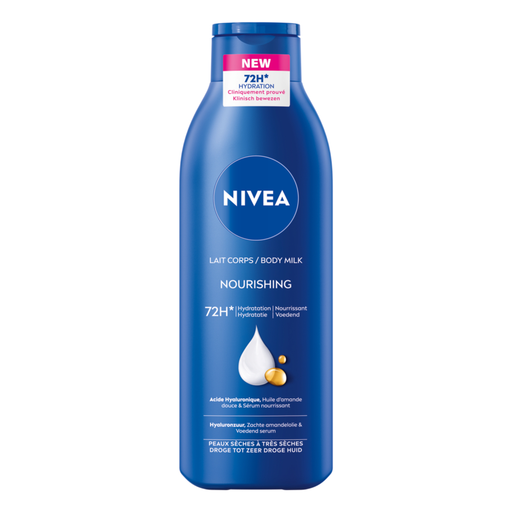
Why it suits this profile: Suitable for anyone looking for a body milk for dry to very dry skin and who values ingredients such as hyaluronic acid and almond oil.
The packaging states 72-hour hydration. According to NIVEA’s own clinical evidence, this was established under test conditions; compare it with your own experience.
Sodium hyaluronate and almond oil in the ingredients list; light, fast-absorbing formula according to the product information.
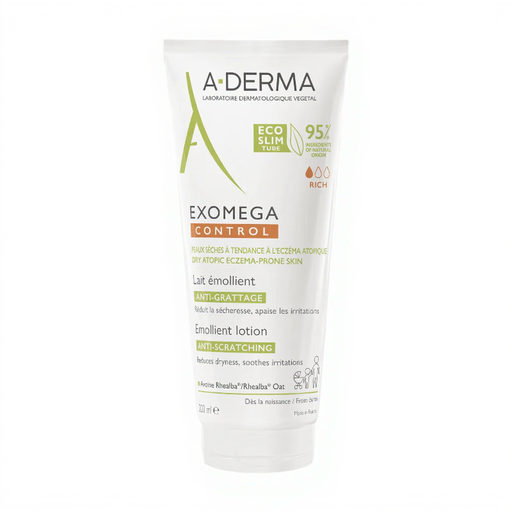
Why it suits this profile: An option for families considering a fragrance-free body lotion for dry, sensitive or eczema-prone skin, suitable for use on the body and face.
The product description states that it has a fragrance-free, non-greasy formula. Claims about itching, redness and eczema come from the manufacturer and are not a medical guarantee.
Fragrance-free; oat extract listed; fluid texture that, according to the product information, absorbs quickly.
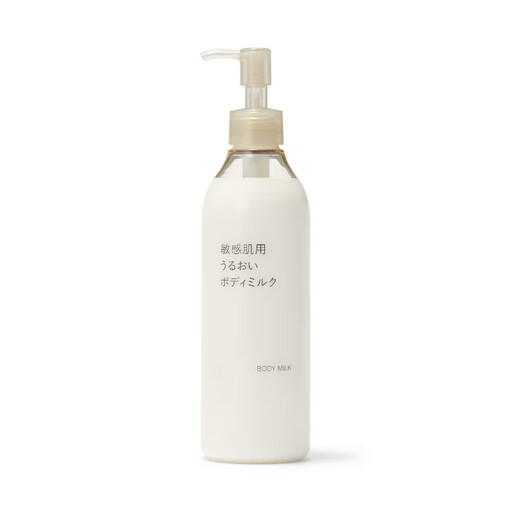
Why it suits this profile: For users who prefer to avoid fragrances, colourants, mineral oil, parabens and alcohol in their body care.
The product information states that the formula is free from fragrance and colourants. According to MUJI’s description, “Allergy tested” does not rule out an individual reaction.
300 ml volume; no fragrance or colourants according to the product description; contains ceramide and amino acids.
We have put together a complete, up-to-date list of products that fully meet these strict selection criteria and the applicable European safety regulations.
Apply a moisturising body lotion to clean skin, preferably shortly after showering. Pat your skin dry rather than rubbing it vigorously, then spread the lotion while your skin is still slightly damp. This often leaves your skin feeling more comfortable.
Start with a small amount. A layer that is too thick can feel sticky, while too little product may not provide enough comfort. If you have dry skin, pay extra attention to your shins, knees, elbows and heels. If you are prone to cosmetic reactions, test a new formula on a small area of skin first.
Not always. Brands use these terms differently. Body milk often refers to a fluid or light, milky texture, while body cream usually feels richer. So check the ingredients, skin type information and product description rather than relying on the name alone.
For most daily routines, once after showering is a sensible starting point. If you have dry skin, you may need to reapply, for example after washing your skin or when it feels tight. Always follow the usage instructions on the packaging.
The shelf life is stated on the packaging. Check the use-by date or the period after opening, often shown by an open jar symbol and, for example, “12M”. Keep the lotion tightly closed, dry and out of direct sunlight. If the scent, colour or texture changes noticeably, stop using the product.
