
Vandaag of morgen in huis

Kwaliteit gegarandeerd

Welkomstaanbiedingen ontgrendelen: GRATIS bezorging | Tot 80% korting | Gratis 30 dagen JoyPlus-proefperiode
Download de app
Body lotion may seem like a simple product, but there are big differences in texture, fragrance, ingredients and intended use. If you only look at attractive packaging or a claim such as “24-hour hydration”, you could end up buying a lotion that feels too greasy, does not provide enough care or irritates your skin.
Use this practical guide to compare body lotions based on things you can check. That way, you can make a more informed choice between a moisturising body lotion, body milk, body lotion for dry skin or a formula for sensitive skin.
Brands sometimes state how long hydration lasts, but the effect depends on the formula, how much you use and the condition of your skin. For example, according to the product description, NIVEA claims up to 72 hours of hydration for certain body milk and lotion variants. This is based on the brand’s information and is not a guarantee for every user.
So check the ingredients too. Glycerine, hyaluronic acid, oils and occlusive ingredients such as petrolatum can each help your skin feel comfortable in different ways.
A body lotion described on the packaging as suitable for all skin types may contain fragrance, essential oils or other perfuming ingredients. If you have sensitive skin, check the full ingredients list and consider choosing a fragrance-free body lotion with a simple formula.
Bear in mind that “dermatologically tested” means a product has undergone a particular test. It doesn’t mean irritation is impossible for every user.
Body lotions for very dry skin often have a richer texture. This can feel pleasant on your knees, elbows and heels, but may be less convenient when you need to get dressed quickly. If you apply lotion straight after showering, a fast-absorbing body lotion that doesn’t leave a sticky layer may work better.
Choose a formula to suit your skin:
A body lotion for sensitive skin may sound suitable based on its product name, but always check the current packaging. Formulas can change.
Hyaluronic acid is found in various NIVEA products and is used in cosmetics as a moisture-binding ingredient. Shea butter features in Dove and Kneipp lotions, among others, and may suit you if you prefer a richer feel on your skin. Aloe vera is found in Vaseline Aloe Soothe. Ceramides are used in some formulas designed to support the skin barrier.
These ingredients don’t automatically make a product suitable for every skin type. Check for perfuming ingredients, preservatives and any potential allergens too.
Compare more than just the price of the bottle: check the size too. A 400 ml bottle is practical for everyday use on your whole body, while 200 ml may be easier to take with you or try out first.
A pump bottle is often convenient in the shower or by the sink. A tube may be better for applying lotion to specific areas. Use the lotion as directed on the label, usually on clean, dry skin. Apply more to dry areas and let the lotion absorb before getting dressed.
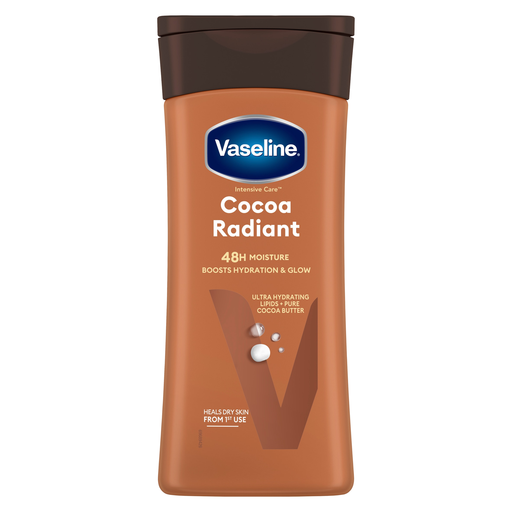
Why it suits this profile: The 200 ml bottle is a straightforward choice if you’re trying a body lotion with shea butter and cocoa butter for the first time.
The product information clearly lists the size and ingredients. This means you can take the fragrance and the presence of perfume into account before you buy.
200 ml, with glycerine and cocoa butter listed among the ingredients; the product description says the lotion absorbs quickly.
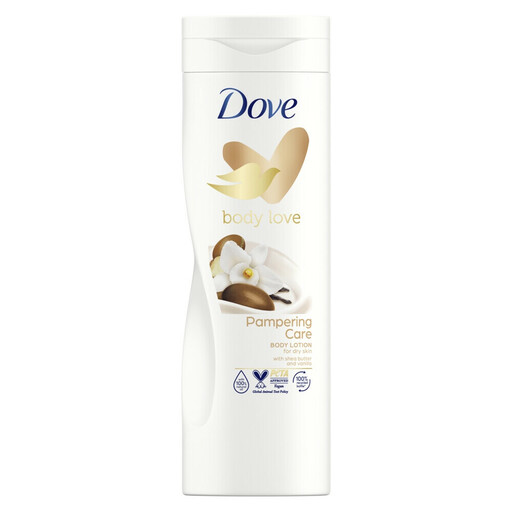
Why it suits this profile: The generous bottle is ideal for everyday use on your whole body, and the formula contains shea butter and vanilla fragrance.
The product description lists the 400 ml size, shea butter, perfume and dermatological testing. This means you can consider the rich texture and fragrance before making your choice.
400 ml, shea butter and 100% recycled plastic according to the product information; described as suitable for all skin types.
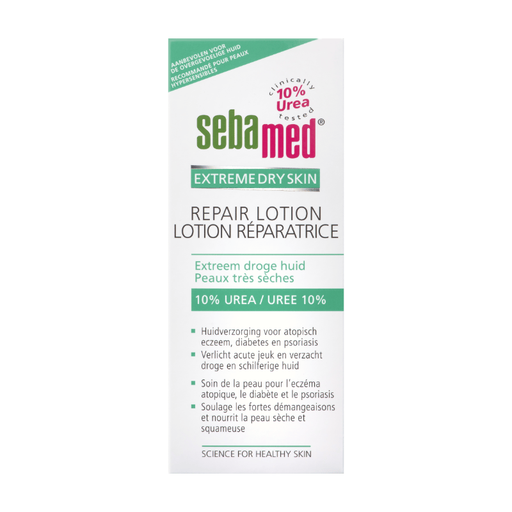
Why it suits this profile: This lotion is designed for very dry areas and contains 10% urea, making it a good fit for intensive skincare.
The urea concentration is clearly stated in the product name. This helps you distinguish it from a general body milk and choose a formula for extremely dry skin.
10% urea, 200 ml and instructions for use on dry areas.
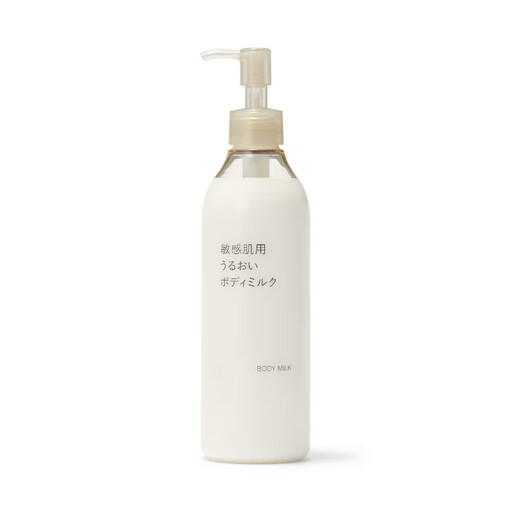
Why it suits this profile: The product information states that it contains no fragrance, colourants, mineral oil, alcohol or parabens.
Knowing what the formula excludes makes it easier to choose one with fewer common triggers. However, an allergic reaction is still possible.
300 ml, with ceramides and amino acids according to the product description; fragrance-free.
We’ve put together a complete, up-to-date list of products that meet these strict selection criteria and the applicable European safety regulations.
For most people, applying it once a day after showering is practical. Apply the lotion to slightly damp or dry skin, following the label instructions. If your skin is very dry, you can reapply to dry areas as needed.
Check the expiry date or period-after-opening information on the packaging. Store the bottle somewhere cool and dry, out of direct sunlight. Close the cap or pump securely after use, and stop using the product if its scent, colour or texture changes noticeably.
Body milk is often lighter and more fluid, while body lotion can range from light to rich. The terms aren’t fully standardised, so focus on the ingredients, skin type information, size and description of the texture.
