
Vandaag of morgen in huis

Kwaliteit gegarandeerd

Welkomstaanbiedingen ontgrendelen: GRATIS bezorging | Tot 80% korting | Gratis 30 dagen JoyPlus-proefperiode
Download de app
A body lotion can leave your skin feeling more comfortable after a shower, but not every product suits every skin type or routine. A light lotion is ideal if you want to get dressed quickly. A richer body cream may be a better choice for dry skin. Fragrance, ingredients and packaging can also make a difference to everyday use.
Look out for these three common pitfalls before buying a body lotion:
Mistaking a claim for a guarantee
Terms such as “72-hour hydration”, “repair” or “radiant skin” often come from brand communications or specific tests. For example, according to NIVEA product information, the 72-hour claim is based on an instrumental test involving a limited number of volunteers. This doesn’t automatically mean everyone will get the same results.
Choosing based only on the fragrance or packaging
A pleasant fragrance can make a lotion enjoyable to use, but perfume and fragrance ingredients may not suit people with sensitive skin. Always check the ingredients list and, if in doubt, choose a fragrance-free body lotion.
Not matching the texture to when you’ll use it
A rich body cream feels nourishing, but may take longer to absorb. A fast-absorbing body lotion is more convenient after a morning shower or when you want to get dressed straight away.
For normal skin, a light moisturising body lotion is often enough for everyday use. If you have dry skin, look for ingredients such as glycerine, shea butter, plant oils or hyaluronic acid. These ingredients are often used in products that leave skin feeling soft and comfortable.
For sensitive skin, practical things to look out for include a short ingredients list, a fragrance-free formula and clear instructions for use. A lotion for dry skin isn’t automatically suitable for sensitive skin. Also look out for warnings such as “avoid contact with eyes” and “stop using if irritation occurs”.
Ingredients are usually listed in descending order of quantity. Glycerine, oils and butters often indicate a nourishing or soothing formula. Hyaluronic acid, usually listed as sodium hyaluronate, is used in products including NIVEA Caring Body Milk and NIVEA Express Body Lotion.
If you’re looking for a natural body lotion, check the percentage of natural ingredients and any certification marks on the packaging. A claim such as “99.5% natural formula” comes from Freshly Cosmetics product information. If you have an allergy, always check the full INCI list; “natural” doesn’t mean a product will be suitable for everyone.
A 400 ml bottle is practical for everyday use and often works out cheaper per millilitre. A 200 ml tube is easier to carry around or dispense hygienically. A pump means you don’t have to open a lid with wet hands, but check that it dispenses properly and that you can get all the product out.
Apply body lotion to clean skin, ideally after showering. Pat your skin dry and gently massage in the lotion. Pay extra attention to your knees, elbows and heels if those areas feel drier. Body lotion isn’t a substitute for sunscreen and isn’t intended for damaged skin unless the packaging clearly says otherwise.
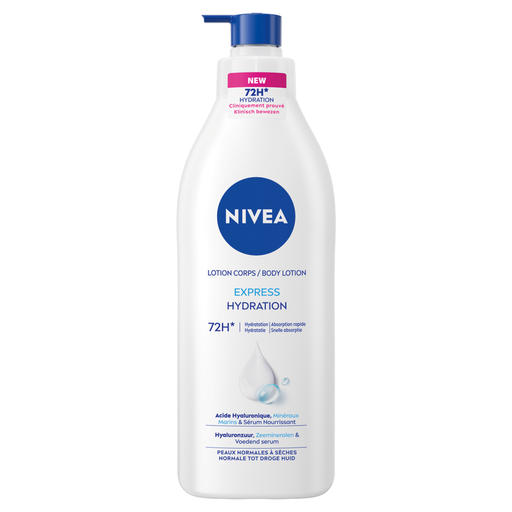
Why it suits this need: The pump and 400 ml size make this lotion a practical choice for a regular routine on busy mornings.
The product information describes an ultra-light, non-greasy texture that absorbs quickly. So you’re less likely to buy a rich cream when what you really want is something quick and easy to use.
400 ml, pump bottle, hyaluronic acid and sea minerals; according to the product information, suitable for normal to dry skin.
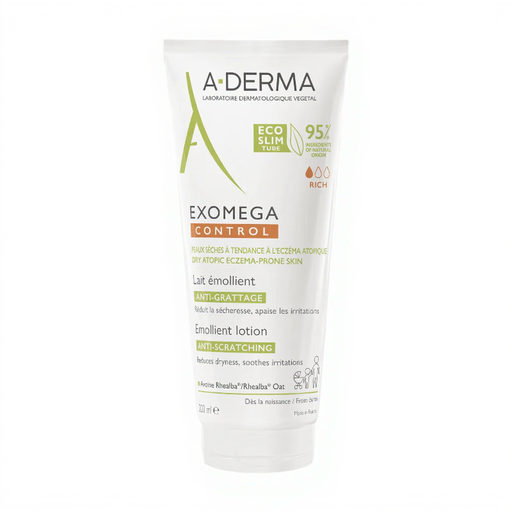
Why it suits this need: A fragrance-free formula that can be used on the face and body is practical for families looking to keep their routine simple.
You don’t have to rely on a fragrance claim alone: the product details describe a fragrance-free lotion with a fluid, non-greasy texture.
200 ml, 95% ingredients of natural origin according to the product information, fragrance-free and suitable from birth.
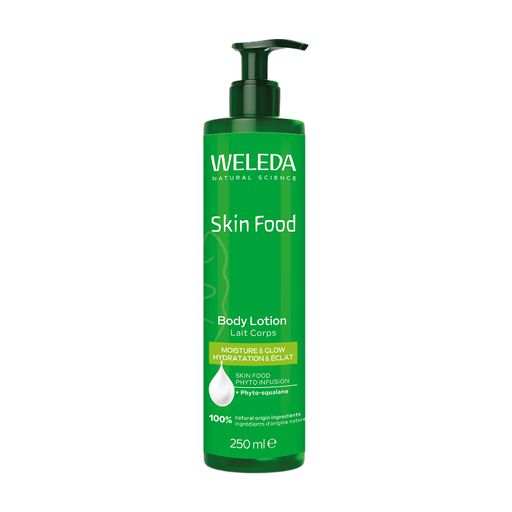
Why it suits this need: This lotion is a good match for shoppers looking for a nourishing body lotion with natural ingredients and a richer texture.
The product description clearly names the plant extracts and oils it contains. If you’re sensitive to perfume, check the fragrance and ingredients list too.
250 ml, 100% natural formula according to the product information, with ingredients including sunflower oil, shea butter, camomile and calendula.
We’ve put together a complete, up-to-date list of products that meet these strict selection criteria and current European safety regulations.
For everyday use, applying it once after showering is a practical starting point. Apply extra lotion to any areas that feel dry. How often you need to use it depends on your skin and the product instructions. Stop using it if irritation occurs, and ask a doctor or pharmacist for advice if symptoms persist.
Body lotion usually contains more water and has a lighter texture. Body cream is generally richer because it contains a higher proportion of oils or butters. Choose a fast-absorbing body lotion for convenience, or a richer body cream if your dry skin needs extra comfort.
Hyaluronic acid is widely used in moisturising formulas and may suit a range of skin types. However, it doesn’t tell you everything about a product. Check for perfume, alcohol, oils and any warnings too. If you have sensitive skin, test a small amount on a small area of skin first.
