
Vandaag of morgen in huis

Kwaliteit gegarandeerd

Welkomstaanbiedingen ontgrendelen: GRATIS bezorging | Tot 80% korting | Gratis 30 dagen JoyPlus-proefperiode
Download de app
A good body lotion doesn’t have to be complicated. Yet it’s easy to pay more for a pretty bottle, a long-lasting hydration claim or a luxurious fragrance that doesn’t suit your skin. The right choice depends mainly on your skin type, the ingredients, the texture and how often you plan to use the product.
Packaging often features claims like “up to 48 or 72 hours of hydration”. According to the brands’ own information, such as NIVEA and Vaseline, these are product claims that come about under specific usage or test conditions. They don’t automatically mean every skin type will feel comfortable for that long.
So also look at the formulation. Glycerine, oils, fatty alcohols, silicones and occlusive ingredients like petrolatum can each play a different role in the texture and how moisturised your skin feels. Also check whether the claim matches your needs: a light body milk for daily use is not the same as a rich body lotion for very dry skin.
A product can be fragrance-free, hypoallergenic or dermatologically tested, but that’s no guarantee that nobody will react. The MUJI lotion, for example, states that allergy tests have been carried out and that an individual reaction is still possible. For sensitive skin, the ingredients list is therefore more important than just the front of the packaging.
Look out for terms like fragrance-free, alcohol-free and colourant-free. Test a new product on a small area of skin first and stop if irritation occurs. For persistent problems, advice from a doctor or pharmacist is wiser than simply trying another lotion.
A nourishing body lotion with shea butter, oils or petrolatum can feel lovely on dry areas like elbows, knees and heels. However, for use in the morning, a heavy texture can be inconvenient if you want to get dressed quickly.
If you’re short on time, it’s better to look for a fast-absorbing body lotion or body milk. Do check the usage instructions though: even a quick-absorbing lotion can need a little time to fully sink in.
Choose a body lotion for dry skin with a richer formula when your skin feels tight or rough. For sensitive skin, a fragrance-free body lotion, a short ingredients list and avoiding unnecessary colourants are practical points to consider.
A lotion with vanilla, patchouli or another scent can be appealing for daily skincare use. If you’re often bothered by fragranced products, opt for an unscented version instead. “Natural” doesn’t automatically mean a product is better for sensitive skin either; essential oils can also contain fragrance compounds.
Don’t just compare the price of the bottle, but also the price per 100 ml. A 400 ml bottle is often practical for daily use or for a family. A multipack can reduce the cost of stocking up, but it’s only good value if you’ll actually use the product and you check the expiry information.
Cosmetic products generally have a use-by date or a PAO symbol: an open jar icon with, for example, “12M”. Store body lotion in a cool, dry place, keep the lid on tightly and follow the instructions on the label.
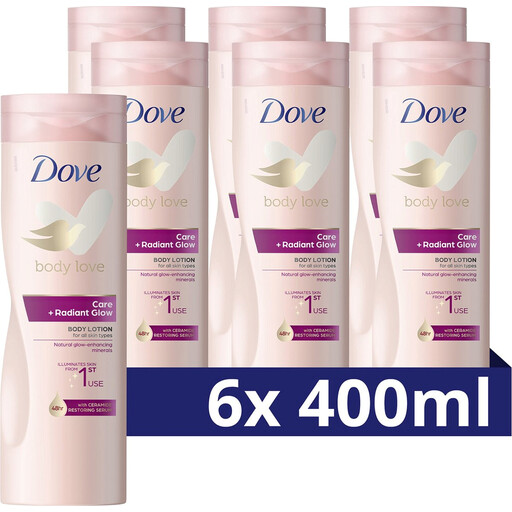
Why this fits the profile: A multipack is practical for daily use in a household. The six bottles make stock management easier when several people are using body lotion.
The quantity is clearly specified as 400 ml per bottle and the multipack means you don’t have to keep ordering individual bottles. The formula does contain fragrance, so this isn’t a choice for those sensitive to scent.
Six 400 ml bottles; contains ceramides and glow-enhancing minerals according to the product description; suitable for daily use.

Why this fits the profile: This body milk is designed for users who value a caring texture and fast absorption, for example after showering before getting dressed.
The product description mentions a fast-absorbing formula, so you don’t have to wait as long. The ingredients list includes fragrance; this may be less suitable for sensitive skin.
400 ml volume; body milk for dry and normal skin; the formula absorbs quickly according to the product description.
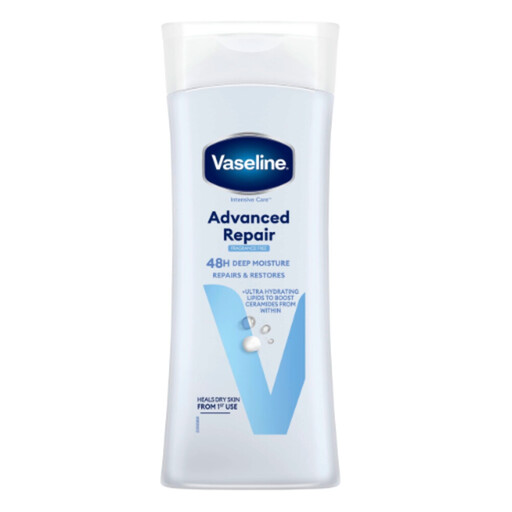
Why this fits the profile: A practical option for anyone looking for a fragrance-free body lotion for dry or sensitive skin who cares for multiple body areas daily.
The product information states it is fragrance-free and fast-absorbing, so scent and a sticky feel are less likely to be an issue. Check the current packaging at the time of purchase.
400 ml; fragrance-free formula according to the product details; dermatologically tested as per the stated product specifications.
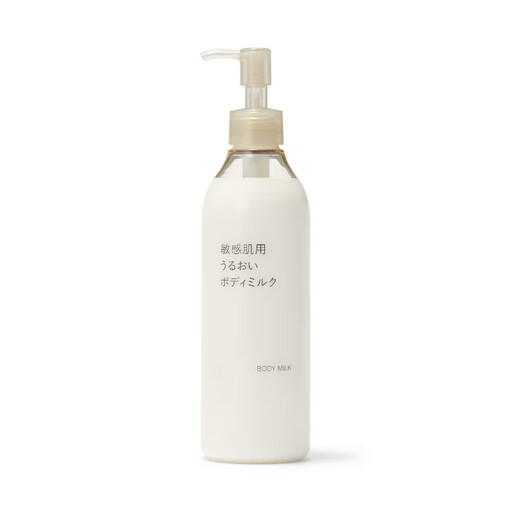
Why this fits the profile: The product description focuses on sensitive skin and lists several moisturising ingredients, including ceramide, amino acids and plant extracts.
The description states it contains no fragrance, colourants, mineral oil, parabens or alcohol. The manufacturer also mentions allergy tests, but individual reactions are still possible.
300 ml; mildly acidic formula according to the product description; fragrance-free and with ceramide and five types of amino acids listed.
We’ve put together a full, up-to-date list of products that fully meet these strict selection criteria and comply with current European safety regulations.
Apply body lotion preferably to clean skin after showering, when your skin is still slightly damp. Spread the product over larger areas first and pay extra attention to dry patches. Don’t automatically use a large amount: a thin, even layer often absorbs more comfortably.
With a new formula, a small patch test is wise. Also check the packaging, ingredients, volume, expiry date and warnings before use. Product information can change, so the current packaging remains the deciding factor.
That depends on your skin and the season. Daily use after showering is a simple routine. For dry skin, reapplying to specific areas may be necessary. Always follow the product’s usage instructions.
A body milk usually has a lighter, more fluid texture and is often designed to spread and absorb quickly. Body lotion can be either light or rich. So look at the product description and ingredients rather than just the name.
For very dry skin, look for a richer formula with ingredients like glycerine, oils, shea butter or petrolatum. For sensitive skin, fragrance-free versions with a clear, simple ingredients list are often a logical starting point. No product is suitable for everyone; stop if irritation occurs and seek professional advice for persistent problems.
