
Vandaag of morgen in huis

Kwaliteit gegarandeerd

Welkomstaanbiedingen ontgrendelen: GRATIS bezorging | Tot 80% korting | Gratis 30 dagen JoyPlus-proefperiode
Download de app
A daily body lotion seems like a simple purchase – until you’re standing in front of a shelf or scrolling through an online product list. One formula promises long-lasting hydration, another claims to firm the skin or relieve that tight, uncomfortable feeling. Yet a flashy claim doesn’t always tell you whether the lotion will actually work well with your skin type, your routine, and your personal preferences.
Three common pitfalls to watch out for:
Choose based on your skin first, not the packaging. For a body lotion for dry skin, look for moisture-binding ingredients like glycerine. Glycerine helps hold water in the upper layers of the skin. A body lotion with glycerine can therefore be a good fit if you experience tightness or dryness.
For very dry skin, richer ingredients such as shea butter, mineral oils, dimethicone, or petrolatum may also be worth considering. According to the product formulation, these substances help the skin feel comfortable and limit moisture loss. If you’re looking for a nourishing body lotion, don’t just focus on one active ingredient – consider the full composition.
Also pay attention to the order of ingredients. Components listed first are generally present in larger amounts than those at the bottom. Always check the actual packaging, as formulations can change.
For a body lotion for sensitive skin, a simple formula is often a practical choice. A fragrance-free version doesn’t automatically prevent every reaction, but it does keep scents like perfume, limonene, or linalool out of the formula when they’re not listed on the label.
A product described as a body lotion for itching should be assessed carefully. Brands sometimes describe relief from an itchy or irritated feeling. Don’t interpret this as a medical effect: according to the product description from NIVEA, the Repair & Care formula is intended to help soothe the feeling of irritation and itching. For persistent or severe symptoms, it’s wiser to seek advice from a doctor or pharmacist.
Compare the volume in millilitres and think about how often you’ll use the lotion. A 400 ml bottle is practical for daily use all over the body. A 200 ml or 250 ml pack can be more convenient for a smaller supply or for taking with you.
A pump bottle can be more convenient if you use the lotion after every shower. Also consider the absorption speed and how your skin feels after application. “Non-greasy” is a product feature from the description, but your personal experience may vary.
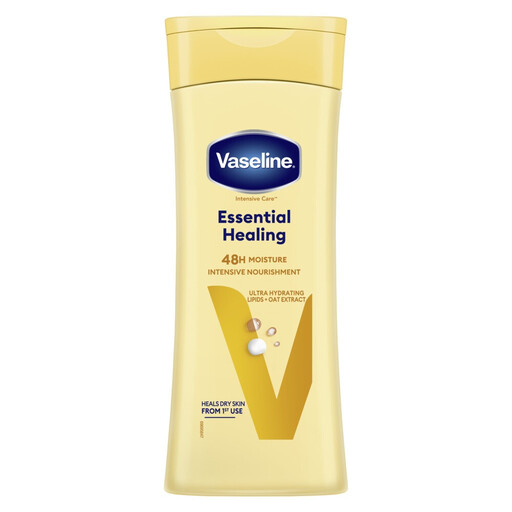
Why this fits the profile: The 400 ml volume is suitable for a regular daily routine. According to the product information, the formula contains glycerine, petrolatum and oat extract.
The product description mentions 48 hours of hydration and a non-greasy texture. Do check the label, though, as the ingredients list includes fragrances.
400 ml, glycerine, oat extract and, according to the product description, fast-absorbing care for dry skin.
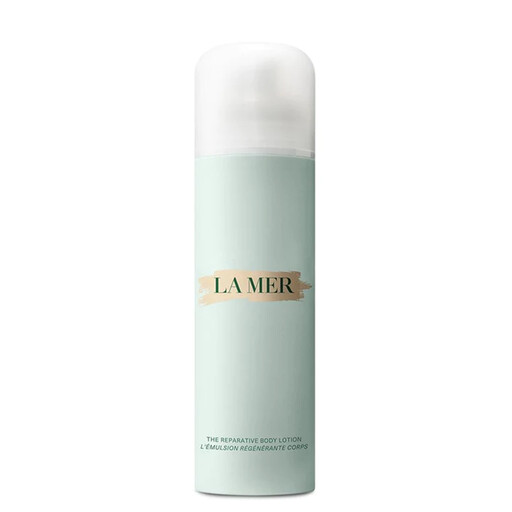
Why this fits the profile: This lotion is aimed at a more luxurious skincare routine and has a volume of 160 ml. The ingredients list includes glycerine, dimethicone, algae extract and hyaluronic acid.
The choice isn’t just about a luxurious appearance: the product information and ingredients list provide concrete clues about texture and care.
160 ml, glycerine, dimethicone, algae extract and sodium hyaluronate in the stated composition.
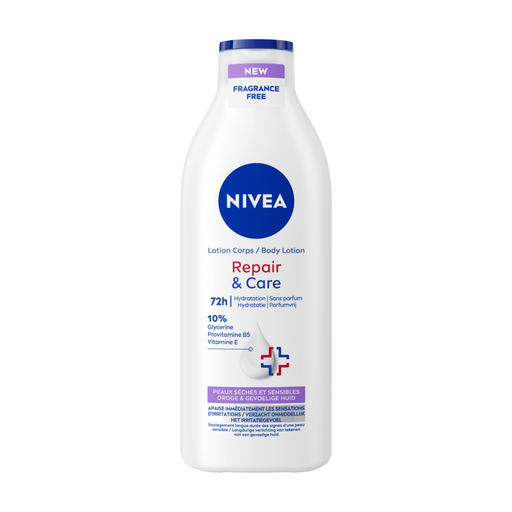
Why this fits the profile: The fragrance-free formula is designed for dry and sensitive skin. According to NIVEA’s own research, the claim of up to 72 hours of hydration was measured in an instrumental test with 45 volunteers.
According to the product description, the formula contains no fragrance. The claimed hydration duration is clearly linked to a brand-specific test.
10% complex with glycerine, provitamin B5 and vitamin E; 400 ml; described as fast-absorbing.
We’ve put together a full, up-to-date list of products that fully meet these strict selection criteria and comply with current European safety regulations.
Apply the lotion to clean skin, for example after showering. Pat your skin dry and apply the body lotion while your skin still feels slightly damp. Pay extra attention to your shins, knees, elbows and heels. When trying a new formula, it’s wise to test a small amount on a limited area of skin first. Stop using it if irritation occurs, and always follow the instructions on the packaging.
For most adults, once a day is a practical starting point, especially after showering. If you have dry skin, you may need to reapply. The right frequency depends on how your skin feels, the season, and the product instructions.
It can be, but check the full ingredients list. A body lotion without fragrance is a logical choice if you want to avoid scents. Even a dermatologically tested formula is no guarantee that everyone will have the same experience. So test a new product carefully.
Follow the expiry date and the period-after-opening symbol on the packaging. Store the bottle tightly closed, at room temperature and away from direct sunlight. If the smell, colour or texture changes, do not continue using the product.
