
Vandaag of morgen in huis

Kwaliteit gegarandeerd

Welkomstaanbiedingen ontgrendelen: GRATIS bezorging | Tot 80% korting | Gratis 30 dagen JoyPlus-proefperiode
Download de app
A good body lotion needs to suit your skin, your routine and your preferences. Yet it can be tricky to compare products honestly online. A light body milk might feel pleasant, but may not be enough for very dry skin. A rich body cream, on the other hand, can take too long to absorb if you want to get dressed quickly.
So don’t just rely on terms like “intensive care” or “long-lasting hydration”. Look at the ingredients list, the volume, the scent and the usage instructions. That way, you avoid paying for a promise that doesn’t match your daily needs.
Brands sometimes state a number of hours of hydration. This isn’t automatically comparable between products. NIVEA, for example, mentions up to 48 or 72 hours of hydration for several of its lotions. According to the product information, this is based on a clinical or instrumental test; the Repair & Care formula cites an instrumental test with 45 volunteers. The result doesn’t tell you exactly how your own skin will react.
So use such a claim as a point of comparison, not as a certainty. The texture, the amount you apply and how often you use it also determine how well a lotion works in your routine.
A body lotion for sensitive skin isn’t automatically fragrance-free. Always check the full ingredients list. Some products contain perfume and fragrance allergens such as limonene, linalool or geraniol. This applies, for example, to various scented body milks and creams.
If you prefer to avoid fragrances, look for a fragrance-free body lotion. Also watch out for other ingredients you’ve reacted to before. If you have a known allergy or persistent skin issues, it’s wise to consult a doctor or pharmacist.
A 200 ml bottle can be handy for a handbag or occasional use, but for the whole family, the amount you use soon adds up. So don’t just compare the price per bottle, but also the volume in millilitres and how much you use each time. A pump bottle can also be more practical if you’re applying lotion every day after your shower.
For a body lotion for dry skin, common ingredients include glycerine, oils, shea butter and other nourishing components. Each plays a different role in the formula. According to the product description, glycerine helps retain moisture; a product with body lotion with glycerine is therefore a logical choice for daily hydration.
For very dry skin, many shoppers look for a richer formula, such as a nourishing body cream or a lotion with urea. Sebamed Extreme Dry Urea Repair Lotion contains 10% urea according to the ingredients list. The product is intended for dry and itchy areas of the body. This is cosmetic care, not a treatment for a medical condition.
A body lotion with hyaluronic acid usually lists sodium hyaluronate in the ingredients. NIVEA Caring Body Milk mentions this ingredient alongside almond oil and a nourishing serum. If you prefer a lighter texture, you could also consider a body milk.
A fragrance can be pleasant, but it isn’t necessary for hydration. Products from Byredo, Victoria’s Secret, Dove, Kneipp and Zwitsal contain fragrance components according to the product information provided. That doesn’t make them unsuitable, but they are less appropriate for someone specifically looking for a fragrance-free body lotion.
The MUJI Sensitive Skin Body Lotion is described as free from fragrance, colourants, mineral oil, parabens and alcohol. The manufacturer also lists three plant extracts, ceramide and five amino acids. The product information mentions an allergy test, but also states that individual reactions are still possible.
Generally, apply body lotion to clean, dry skin. Always follow the instructions on the packaging. Stop using it if irritation occurs and avoid contact with the eyes.
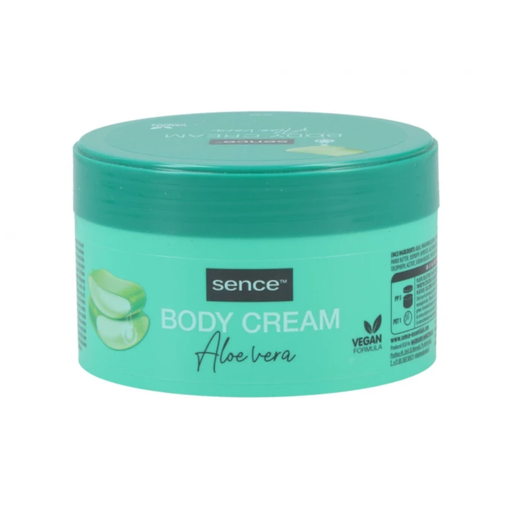
Why this fits the profile: A compact 200 ml size for anyone wanting to try a simple body cream without committing to a large bottle straight away.
The product information clearly states the volume and a refreshing scent. Check that scent preference before you order.
200 ml, aloe vera according to the product description and a body cream texture.
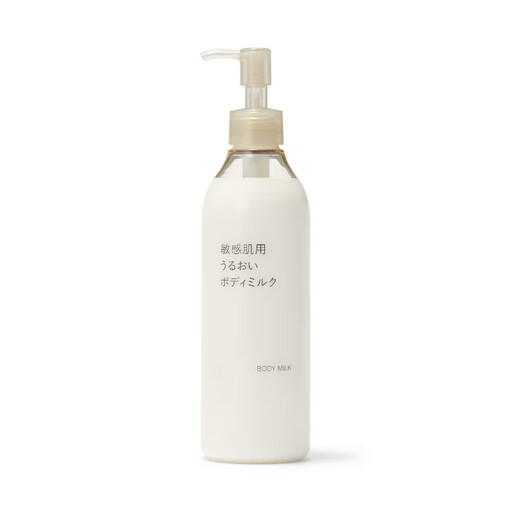
Why this fits the profile: Aimed at shoppers who want a simple formula without fragrance or alcohol.
The product description states no perfume, colourants, mineral oil, parabens or alcohol. Check the packaging when it arrives.
300 ml, ceramide and amino acids according to the product information; designed for sensitive skin.
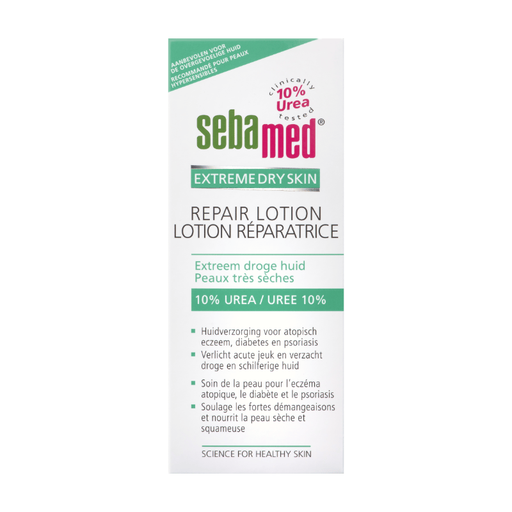
Why this fits the profile: For anyone specifically looking for a lotion with urea for dry and itchy areas of the body.
The percentage of urea is clearly stated, so you can compare the formula more concretely with other lotions.
10% urea, 200 ml and intended for use on dry and itchy areas.
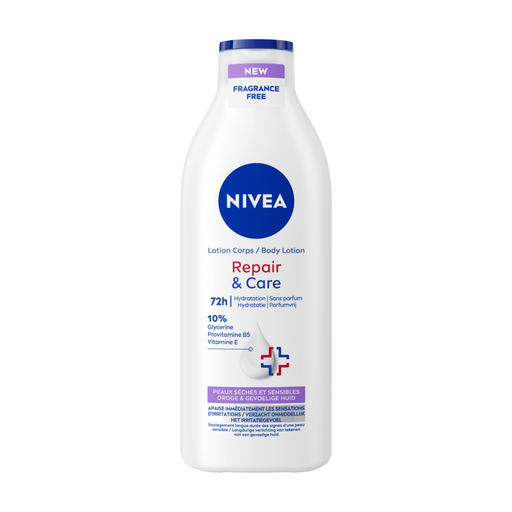
Why this fits the profile: The 400 ml bottle and fast-absorbing texture suit daily use by adults or families.
The formula is described as fragrance-free. The ingredients list does mention alcohol denat.; so check whether this suits your preference.
400 ml, 10% glycerine complex according to the product description and a non-greasy texture.
We’ve put together a full, up-to-date list of products that fully meet these strict selection criteria and comply with current European safety regulations.
For many people, body lotion for daily use works best straight after a shower, when the skin is clean. Follow the product instructions and apply extra to dry areas. If you have sensitive skin, you could try a small amount on a limited area first.
Yes, a body milk can be suitable for dry skin, but the texture varies from one formula to another. Look at ingredients such as glycerine, oils, shea butter or hyaluronic acid. For very dry areas, a richer cream or a product with urea may suit your preference better.
Check the expiry date, the batch number and the symbol for the period after opening on the packaging. Store the bottle according to the instructions, close the lid properly and keep the product out of direct sunlight. Has the scent, colour or texture changed? Stop using it and check the packaging.
