
Vandaag of morgen in huis

Kwaliteit gegarandeerd

Welkomstaanbiedingen ontgrendelen: GRATIS bezorging | Tot 80% korting | Gratis 30 dagen JoyPlus-proefperiode
Download de app
A good body lotion should feel pleasant and match your skin type and when you use it. Yet the range isn’t always easy to compare. A body milk for dry skin often has a richer texture than a light lotion for daily use. A body cream can be more nourishing, while a body oil is mainly suited to massage or a glossy finish.
The following pitfalls are common:
First, look at your skin’s needs, and only then at the marketing name.
For dry skin, choose a body milk or rich body lotion containing, for example, glycerine, shea butter, mineral oil, plant oils or fatty emollient ingredients. A fuller formula can be especially pleasant on legs, elbows and knees. Apply the lotion to slightly damp skin after showering. This helps the product spread more easily.
A hydrating body lotion with a light, fast-absorbing texture is usually sufficient. Look for glycerine, light oils or silicones if you don’t want a sticky feel. A pump bottle is handy if you use the lotion every day.
For mature skin, you can look at nourishing ingredients and the desired texture. Q10, vitamin C, niacinamide and argan oil often appear in products aimed at a smoother or firmer skin feel. Don’t expect a medical effect. According to a brand’s own research, visible results may, for example, have been measured after a certain number of days; the outcome depends on the test used and the number of participants.
An anti-stretch mark cream or body cream with a targeted formula is intended for a specific care need. With pigment spots and stretch marks, it’s important to interpret claims carefully: “reduces the appearance” doesn’t mean a spot disappears completely. A self-tanning body lotion gradually builds colour, but doesn’t automatically protect against UV radiation. So use a separate sunscreen product during the day when necessary.
A lotion, body milk, cream and oil mainly differ in feel and use:
Check for fragrance and alcohol denat. if your skin is sensitive to them. A product that, according to the brand description, is dermatologically tested or approved isn’t automatically suitable for everyone. Stop if irritation occurs and avoid contact with the eyes.
A claim like 48-hour hydration or 72 hours sounds concrete, but the measurement method is important. With the NIVEA Q10 products, the product information mentions an instrumental test with 44 volunteers. The manufacturer also describes a complex that has been tested in vitro. These are different types of information and no guarantee of the same result for every user.
Also check for inconsistencies between the product name, packaging and online description. Some product names mention 48 hours, while the description states 72 hours. Always use the label on the delivered product for the final information.
Don’t just compare the price of a bottle, but also the volume. A 400 ml bottle is often practical for daily use on the whole body. A 100 ml product can be suitable when you use a body oil for a specific purpose or want to take it with you.
A pump works hygienically and quickly, but can be less convenient when there’s still a lot of product left at the bottom of the bottle. A tube is suitable for targeted application, for example on the stomach, hips or dry patches.
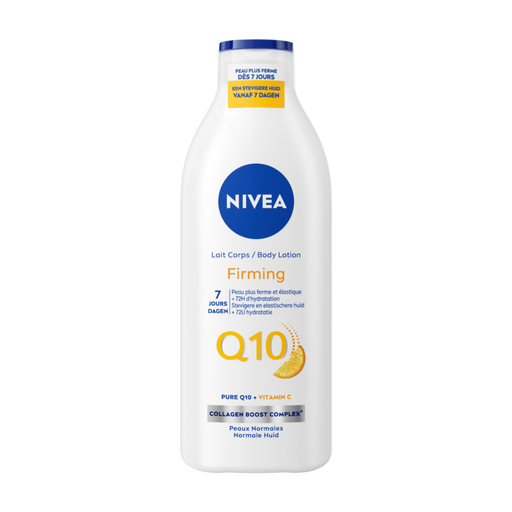
Why this fits the profile: A generous pump bottle for daily body care on normal skin, with a light, fast-absorbing texture.
The ingredients list and volume are clearly stated. The firming claim is linked by NIVEA to an instrumental test; this is not a universal promise.
400 ml, Q10 and vitamin C, pump bottle and, according to the product information, a fast-absorbing lotion.
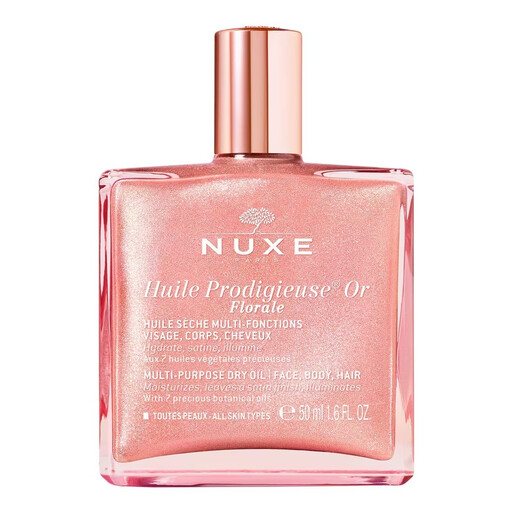
Why this fits the profile: For those who, alongside care, also value a dry oil, floral scent and a subtle sheen on the body, face or hair.
The volume is 50 ml and therefore clearly different from a daily body lotion of 400 ml. This way you don’t accidentally buy a small bottle for large-scale daily use.
Dry oil, multiple areas of application and botanical oils according to the product description.
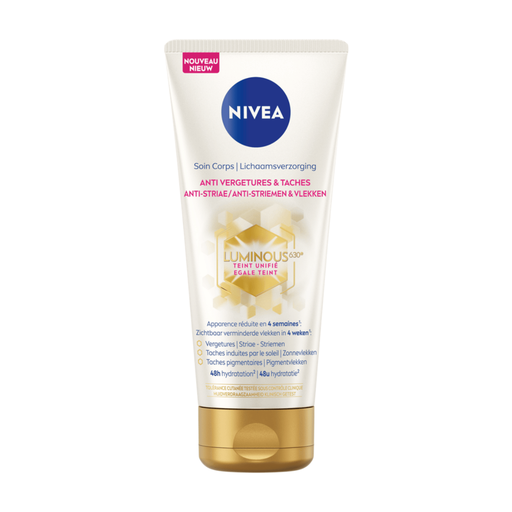
Why this fits the profile: For those specifically looking for a body cream for stretch marks, sun spots or pigment spots and are willing to apply it in a targeted way.
The product description talks about reducing visibility, not about complete removal. According to NIVEA, results have been measured from four weeks.
200 ml, light texture and a stated hydration duration of 48 hours according to the product information.
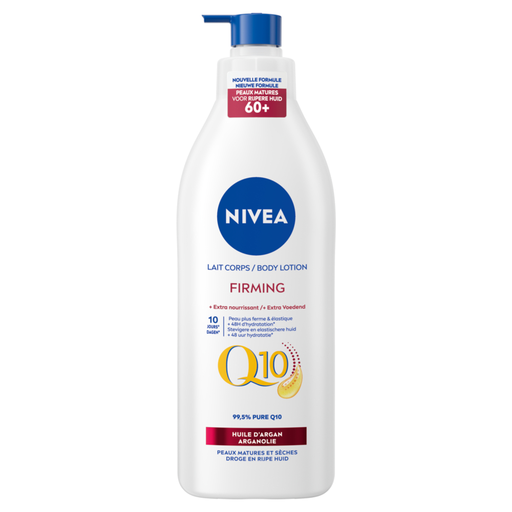
Why this fits the profile: The richer formula with Q10 and argan oil is aimed at dry, mature skin that appreciates extra nourishment.
The product information mentions 48 hours of hydration and an instrumental evaluation with 33 women. The test context therefore remains part of the claim.
400 ml, argan oil, Q10 and a rich body lotion texture for daily use.
We’ve put together a full, up-to-date list of products that fully meet these strict selection criteria and current European safety regulations.
For dry skin, daily application is usually practical, for example after showering. Use extra product on areas that feel tight quickly. A lighter lotion can be pleasant in the morning; a body milk or body cream often works better in the evening.
Body milk is usually richer and creamier than a light body lotion. However, the difference isn’t legally defined: so check the texture, ingredients and skin type on the packaging. For very dry skin, a body cream or body oil may also be suitable.
No. A self-tanning body lotion with dihydroxyacetone gradually gives a tanned complexion according to the product description, but doesn’t offer automatic protection against UV radiation. Wash your hands after use and let the product fully absorb before getting dressed.
