
Vandaag of morgen in huis

Kwaliteit gegarandeerd

Welkomstaanbiedingen ontgrendelen: GRATIS bezorging | Tot 80% korting | Gratis 30 dagen JoyPlus-proefperiode
Download de app
Buying body lotion seems simple, until you have to choose between body milk, body cream, self-tanning lotion and products with claims such as “72-hour hydration”. The packaging often promises more than you need day to day. What’s more, a pleasant scent can seem more important than ingredients your skin will tolerate well.
The most common buying mistakes come down to three pitfalls:
A light lotion for everyday use is often enough for normal skin. If you have dry skin, look for ingredients such as glycerine, shea butter, oils or petroleum jelly-like ingredients. Glycerine helps attract and retain moisture, while occlusive ingredients form a protective layer on the skin.
According to the product information, a body lotion with hyaluronic acid, such as NIVEA Caring Body Milk, contains sodium hyaluronate, a form of hyaluronic acid. The formula also contains almond oil and a nourishing serum. If you prefer to avoid perfume, consider a fragrance-free body lotion, such as NIVEA Repair & Care Sensitive Body Lotion. Always check the current packaging, as formulas can change.
If you have very dry skin, a body cream containing urea or a higher proportion of nourishing ingredients may feel more suitable. NIVEA Repair & Care Urea Body Cream lists glycerine, urea, provitamin B5 and shea butter among its ingredients. The product page states that it contains 18% glycerine; check the ingredients and packaging when you buy it.
Claims such as 72-hour hydration, “dermatologically tested” or “clinically tested” need context. According to the product information for NIVEA Sun Touch, the claim of up to 72 hours is based on an instrumental assessment of 36 women over two weeks. NIVEA Repair & Care Sensitive is said to have been assessed in an instrumental test involving 45 volunteers.
These aren’t universal guarantees for every user. Treat such claims as an indication from the manufacturer, and compare them with:
A body lotion isn’t automatically suitable for your face or for babies. Some products are specifically intended for use on the face and body, such as NIVEA Soft Body Cream and Olay Beauty Fluid. Others are described as body care only.
Take extra care when choosing body lotion for babies. According to the product information, Zwitsal Body Lotion is intended for babies and young children, but it also contains perfume and fragrance-related ingredients. If your baby has sensitive skin or a known allergy, it’s sensible to check the ingredients first and ask a doctor or pharmacist for advice if you’re unsure.
Use body lotion only as directed on the packaging. Avoid contact with your eyes and stop using it if you experience redness, itching or other irritation. A self-tanning body lotion, such as NIVEA Sun Touch, contains dihydroxyacetone and, according to the product description, adds colour without sun exposure. It does not replace sun protection.
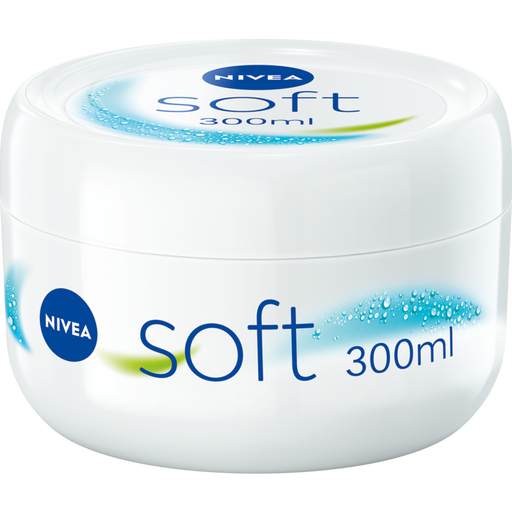
Why it suits this profile: This light cream is intended for use on the face and body, making it a practical choice if you want to start with one product. According to the product description, the formula absorbs quickly and provides up to 48 hours of hydration.
The product description clearly explains where you can use it and describes its texture. That way, you won’t end up buying a heavy body cream when you’re looking for a light formula for everyday use.
48-hour hydration according to the product information; with vitamin E and jojoba oil; 300 ml.
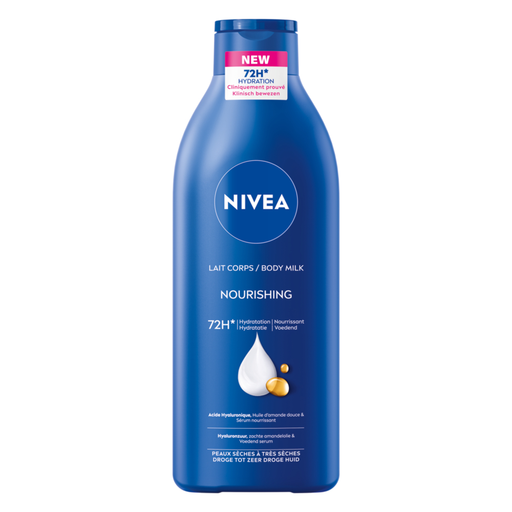
Why it suits this profile: This body milk is designed for dry to very dry skin, combining a light texture with hyaluronic acid, almond oil and a nourishing serum.
The formula is described as non-greasy and fast-absorbing. The product information also links the 72-hour claim to clinical evidence, helping you assess it more carefully.
Up to 72-hour hydration according to the manufacturer; sodium hyaluronate and almond oil; 400 ml.
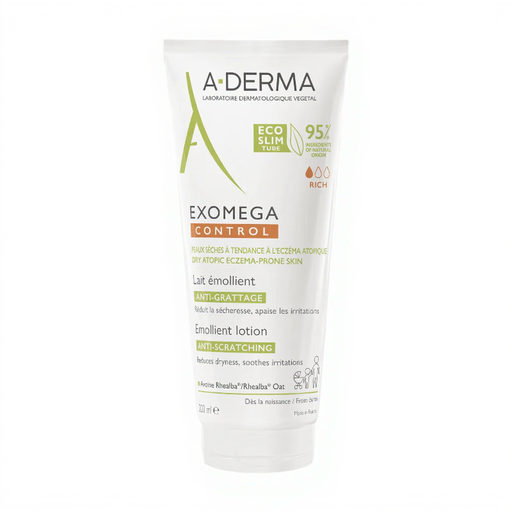
Why it suits this profile: According to the product information, this lotion is intended for dry, sensitive skin and can be used on the face and body. Its fragrance-free formula and fluid texture are well suited to a routine focused on skin tolerance and quick application.
As it’s fragrance-free, this option avoids the fragrance pitfall. The product description also mentions dermatological and paediatric tests; this is still information from the manufacturer, not a guarantee that it will suit you personally.
Fragrance-free; suitable from birth according to the product information; 95% ingredients of natural origin according to the manufacturer.
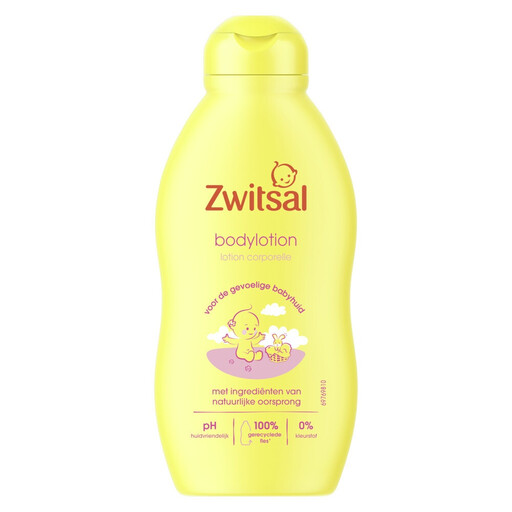
Why it suits this profile: The product information states that it’s suitable for babies and young children, and lists vitamin E alongside a 24-hour hydration claim. Its scent may appeal to parents looking for a familiar baby-care routine.
The recommended age is stated, but the ingredients list includes perfume and fragrance allergens. It’s therefore important to check the ingredients first, especially if your baby has sensitive skin or a known allergy.
Designed as a baby body lotion according to the product description; with vitamin E; 200 ml.
We’ve put together a complete, up-to-date list of products that meet these strict selection criteria and current European safety regulations.
Ideally, apply a moisturising body lotion after showering, while your skin is clean. Pat your skin dry and apply the lotion within a few minutes. You can reapply to dry areas as needed. How often you should use it depends on your skin, the season and how often you shower.
Body milk usually has a thinner, more fluid texture and absorbs quickly. Body lotion is often somewhere in the middle in terms of texture, and is suitable for everyday use. Body cream is generally richer and may feel more comfortable on very dry areas. These terms aren’t strictly standardised everywhere, so focus on the ingredients and product description.
Check the expiry date and the PAO symbol on the packaging, such as an open jar showing a number of months. Store the lotion in a cool, dry place, close the packaging properly and look out for changes in its scent, colour or texture. Stop using a product if it has clearly changed or if the packaging advises you to do so.
