
Vandaag of morgen in huis

Kwaliteit gegarandeerd

Welkomstaanbiedingen ontgrendelen: GRATIS bezorging | Tot 80% korting | Gratis 30 dagen JoyPlus-proefperiode
Download de app
Body lotion may seem like a straightforward product, but formulas, fragrances, packaging and uses can vary considerably. A light lotion can feel pleasant after a shower, while a richer body milk may suit tight-feeling skin better. Claims such as “72-hour hydration”, “skin barrier repair” and “firming” also deserve a closer look.
Choosing the right one isn’t just about the brand or the offer. Pay particular attention to the ingredients, intended use and evidence behind any claims.
Packaging often features claims such as 48 or 72 hours of hydration. According to product information from various brands, these results are often based on instrumental or clinical tests involving a limited number of participants. For example, the NIVEA Express Body Lotion refers to an instrumental test with 42 volunteers. This tells you something about how the test was conducted, but it doesn’t automatically mean every user will experience the same effect for three days.
So treat a time-based claim as a point of comparison, not a guarantee. Your skin’s condition, how much lotion you apply and how often you use it can all affect the result.
A body lotion for sensitive skin may still contain fragrance or fragrance allergens. Check the ingredients for substances such as Parfum, Linalool, Limonene, Citronellol and Benzyl Alcohol. If you’re quick to react to fragrances, it’s better to choose a fragrance-free body lotion and test it on a small area of skin first.
Also look out for the difference between a brand claim and a verifiable feature. “Dermatologically tested” describes a test or assessment, but it can’t predict how everyone’s skin will react.
Face creams are generally formulated for the thinner, often more exposed skin on your face. Body lotions are usually available in larger sizes and often have a different texture. Some products are designed for both uses, though, such as Olay Beauty Fluid Moisturizing Lotion and certain Clinique lotions. Always check the stated application area: face, neck, body or a combination.
Choose a moisturising body lotion to suit your everyday needs:
Glycerine helps attract moisture and is found in many moisturising lotions. Hyaluronic acid, often listed as Sodium Hyaluronate, is used as a hydrating ingredient. According to the product information, NIVEA Express Body Lotion and NIVEA Nourishing Body Milk contain hyaluronic acid.
For a nourishing body lotion, shea butter, almond oil, jojoba oil and plant oils are all useful ingredients to compare. Ceramides, niacinamide and provitamin B5 are found in formulas described as being designed to care for the skin barrier. Don’t present this as a medical effect: ingredients can change how your skin feels, but the effect varies from person to person.
A 400 ml pump bottle is handy for everyday use by several members of the household. A 200 ml or 250 ml tube is easier to take with you. As well as checking the number of millilitres, consider the texture:
Ideally, apply body lotion to clean skin, for example after a shower. A small amount on slightly damp skin can help it spread more evenly. Stop using it if irritation occurs and follow the instructions on the packaging.
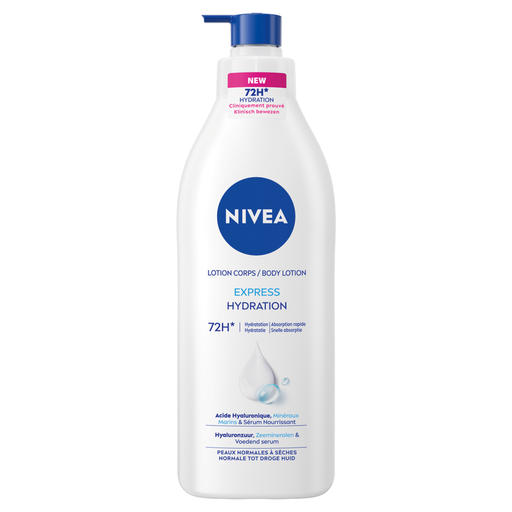
Why it suits this profile: The large pump bottle is practical for everyday use, and the light formula is intended for normal to dry skin.
The product information clearly states its intended use, size and texture. If you want to avoid fragrance, check the listed fragrance ingredients.
400 ml with a pump; according to the product description, the formula contains hyaluronic acid and is non-greasy and fast-absorbing.
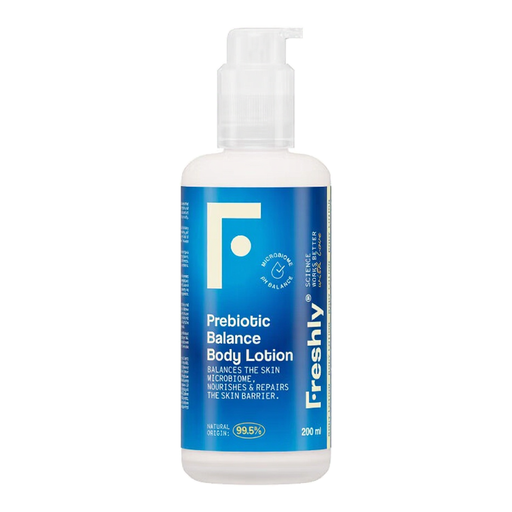
Why it suits this profile: This is a good choice for shoppers who look for prebiotics, ceramides, pH information and a light texture.
The description outlines the ingredients and intended use. Hydration claims come from the product information and shouldn’t be taken as a guaranteed personal result.
According to the product description, the lotion contains prebiotics and three ceramides; its texture is described as light and fast-absorbing.
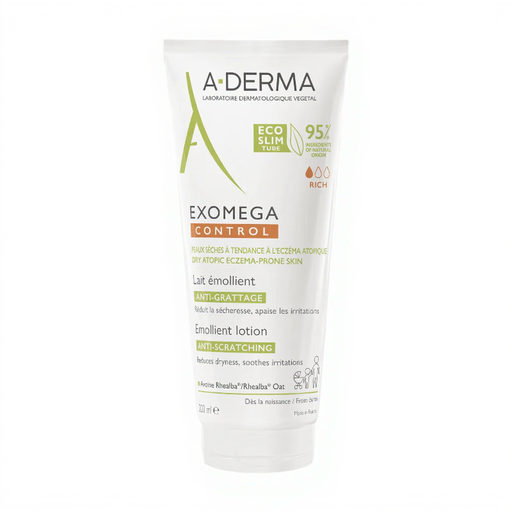
Why it suits this profile: Designed for families looking for a fragrance-free lotion for dry, sensitive or eczema-prone skin on the face and body.
The product information clearly states that it’s fragrance-free. Still, check the current packaging and, if you have sensitive skin, test it on a small area first.
200 ml; according to the product description, it’s fast-absorbing, non-greasy and intended for everyday use on the face and body.
We’ve put together a complete, up-to-date list of products that meet these strict selection criteria and the current European safety regulations.
That depends on your skin type and the season. If you have normal skin, using it daily after a shower is practical. Dry skin may benefit from more frequent application, particularly after contact with water. Follow the product instructions and apply more lotion to rough or tight-feeling areas.
Body milk is usually richer than a lightweight lotion and often contains oils or other nourishing ingredients. This can feel pleasant on dry to very dry skin. However, “better” is a matter of personal preference: a fast-absorbing lotion may be more convenient if you want to get dressed straight away.
Check the expiry date or period-after-opening symbol on the packaging. Store the bottle as directed, ideally away from direct sunlight and extreme heat. If the scent, colour or texture changes, stop using the product. Hygienic use is especially important with fragrance-free body lotion and other products for sensitive skin.
