
Vandaag of morgen in huis

Kwaliteit gegarandeerd

Welkomstaanbiedingen ontgrendelen: GRATIS bezorging | Tot 80% korting | Gratis 30 dagen JoyPlus-proefperiode
Download de app
Choosing a good body lotion seems straightforward, but packaging often uses terms such as “intensive”, “serum” and “long-lasting hydration”. These words don’t always tell you how a product will fit into your daily routine. Dry skin, for example, needs different care from skin that simply needs a lotion that sinks in quickly.
Body lotion, body cream, body butter and deodorant spray are also often confused with one another. Read on to find out what to look for, which pitfalls to avoid and which products suit different types of user.
A scented body lotion can smell lovely, but fragrance ingredients may not suit everyone. Check the ingredients list for parfum and known fragrance allergens such as limonene, linalool, citral and geraniol. If your skin reacts easily to fragrance, it may be better to choose a fragrance-free formula or test it on a small area of skin first.
A thick body cream or body butter feels nourishing, but may take longer to sink in. A lotion containing glycerine, oils, shea butter or occlusive ingredients can help lock moisture into the skin, but the feel will vary from one formula to another.
A quick-absorbing body lotion may be more practical during the day. For your knees, elbows and heels, a richer body cream may better suit your skincare needs.
A 400 ml bottle or multipack may seem better value per millilitre, but it’s less practical if you quickly tire of the fragrance or don’t like the texture. A larger size can be a good option if you use it every day all over your body. If you’re trying a product for the first time, 200 ml may be a more manageable size.
Look for descriptions such as lotion, cream, serum-lotion or body butter. A lotion is usually lighter than a body cream. Body butter often contains a richer blend of butters and oils. Product descriptions may say that a formula absorbs quickly or doesn’t feel greasy, but this can depend partly on your skin type and how much you use.
It’s best to apply body lotion to clean skin, for example after showering. Pat your skin dry and gently massage in the lotion. This helps you avoid using more product than you need.
Common ingredients in body care include:
Always check the full INCI list on the packaging. A brand’s claims about how a product works or its results are no guarantee that every user will have the same experience. For products with measurable research claims, check whether the claim is supported by the brand’s own research and the conditions under which the measurements were taken.
Compare the volume in millilitres with the price, and think about how often you’ll use the product. A pump bottle can be handy in the bathroom. A jar of body butter gives you access to a richer formula, but needs a little more care to keep it hygienic.
Also check the warnings. Body products are for external use only; avoid contact with your eyes and stop using the product if you experience redness, itching or irritation. Deodorant spray is not a substitute for body lotion: antiperspirant is designed for underarm care and should be applied according to the instructions.

Why it suits this profile: The 400 ml size is ideal for daily use on your arms, legs and torso. According to the product description, the lotion is enriched with aloe vera and has a lightweight texture.
The product information describes a non-greasy formula that absorbs quickly. Check the fragrance and ingredients before buying a large bottle.
400 ml; aloe vera; the product description notes a lightweight, quick-absorbing texture.
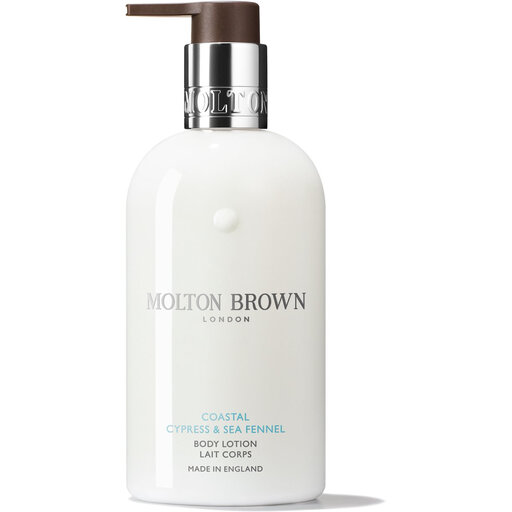
Why it suits this profile: This lotion combines body care with a distinctive fragrance featuring notes including bergamot, marine accords, cypress and cedarwood.
The fragrance and ingredients are clearly described. If you prefer to limit fragrance ingredients, check the INCI list beforehand.
300 ml; glycerine, macadamia oil and shea butter listed among the ingredients; unisex product.
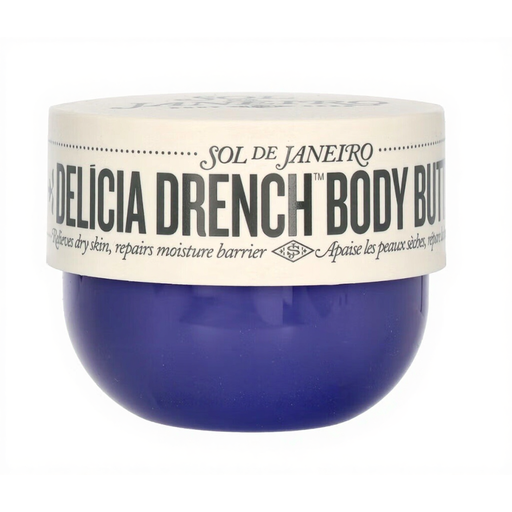
Why it suits this profile: This richer body butter is designed for anyone looking to give extra care to dry areas such as the knees, elbows and heels.
Body butter isn’t the same as a lightweight lotion. This is a good choice if you’re specifically looking for a richer texture and a noticeable fragrance.
240 ml; shea and coconut oils; contains sodium hyaluronate and, according to the product information, has a velvety texture.
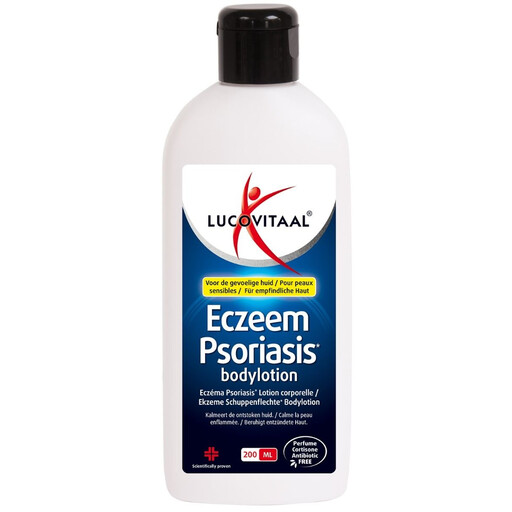
Why it suits this profile: The product information describes a fragrance-free formula for adults with skin concerns related to eczema or psoriasis diagnosed by a doctor.
According to the product information, the formula is fragrance-free. This product is a medical device, so read the enclosed instructions before use.
200 ml; fragrance-free according to the product details; use once a day according to the product information.
We’ve put together a complete, up-to-date list of products that meet these strict selection criteria and the applicable European safety regulations.
A complete routine doesn’t need to involve lots of products. Use a body wash to cleanse your skin, then apply body lotion. Use deodorant spray only on your underarms and follow the safety instructions on the packaging. A scented body lotion and body mist can create a stronger fragrance when used together, so try the combination first to see if you like it.
If you have dry skin, you could use a lightweight lotion during the day and apply body cream or body butter to rough areas. This lets you choose a texture that suits each part of your body, without having to use a heavy formula everywhere.
It depends on how your skin feels and your routine. Many people apply body lotion once a day, for example after showering. If your skin feels tight or dry, applying it again may help. Always follow the label instructions for specialist products.
Body lotion is generally thinner and often absorbs more quickly. Body cream is usually richer and feels heavier. Body butter often has an even denser texture because it contains butters and oils. The right choice depends on your preferences, the season and how dry your skin is.
Check the expiry information and the period-after-opening symbol on the packaging. Close the bottle or jar securely and store the product in a cool, dry place, away from direct sunlight. If its smell, colour or texture changes, stop using it.
