
Vandaag of morgen in huis

Kwaliteit gegarandeerd

Welkomstaanbiedingen ontgrendelen: GRATIS bezorging | Tot 80% korting | Gratis 30 dagen JoyPlus-proefperiode
Download de app
Buying a body lotion seems simple, until you have dozens of options to choose from. A lightweight lotion, rich body milk, nourishing body cream or a product with shea butter: the packaging often promises long-lasting hydration, soft skin and quick absorption. But not every formula suits every skin type or daily routine.
The most common pitfalls are:
Start by considering what your skin needs, then think about fragrance or packaging.
A hydrating body lotion with glycerine, hyaluronic acid or a nourishing serum is suitable for everyday use if your skin mainly feels tight after showering. A fast-absorbing body lotion is handy if you want to get dressed straight away.
For a body lotion for dry skin or a body lotion for very dry skin, glycerine, oils, butters and occlusive ingredients such as petrolatum or dimethicone are worth looking for on the label. According to the product description, these help lock in moisture and leave skin feeling more comfortable.
A richer texture can feel soothing on your knees, elbows, shins and heels. If you’re looking for a nourishing body cream, check for shea butter, cocoa butter or plant oils.
When choosing a body lotion for sensitive skin, a short ingredients list and a fragrance-free formula are often important considerations. “Hypoallergenic” or “allergy tested” does not mean that a reaction is impossible. Even a fragrance-free product may not suit everyone.
Always check the current packaging, as ingredients and product information may change. Stop using the product if irritation occurs and follow the safety information on the label.
Glycerine is a commonly used hydrating ingredient. Hyaluronic acid, usually listed as sodium hyaluronate, is found in products such as NIVEA Express Body Lotion. According to the product information, this formula also contains sea minerals and a nourishing serum.
For extra nourishment, look for:
Ingredients are usually listed in descending order by quantity. So an ingredient further down the list is not necessarily the most important part of the formula.
A rich lotion can feel comforting on very dry skin, but may feel too heavy to use in the morning. A lightweight lotion usually absorbs more quickly and is handy after a shower or before getting dressed.
Look out for descriptions such as:
These are product descriptions, not universal guarantees. Absorption can vary depending on how much you apply, how hydrated your skin is and the season.
A 400 ml bottle is handy for daily use all over your body and means you’re less likely to run out quickly. Smaller 200 or 250 ml packs are suitable if you want to try a new formula first or take a lotion with you.
Also check:
Ideally, apply body lotion to clean, dry skin, for example after showering. Massage it in gently, giving extra attention to dry areas.
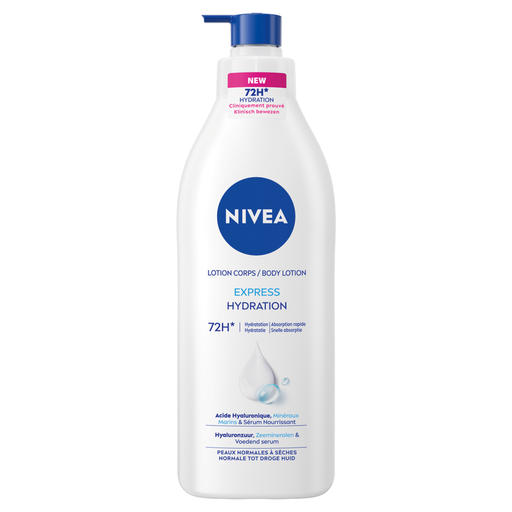
Why it suits this profile: The pump bottle and 400 ml size are practical for everyday use on normal to dry skin.
You’re not choosing based on fragrance alone: the product information mentions hyaluronic acid, a lightweight texture and fast absorption.
400 ml, a pump dispenser and, according to the product information, a non-greasy formula with hyaluronic acid.
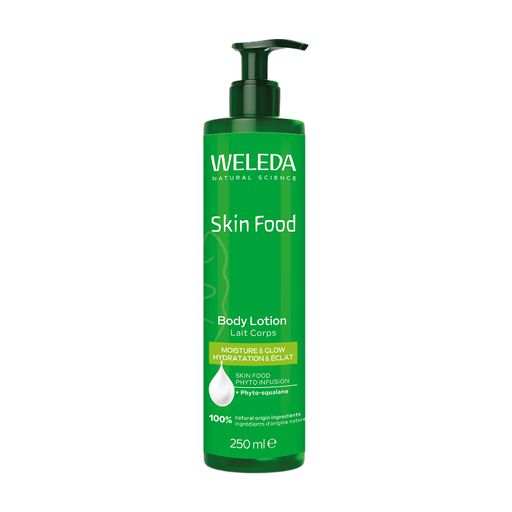
Why it suits this profile: This richer lotion is intended for dry to very dry skin and, according to the product information, contains ingredients including shea butter and plant oils.
The choice is based on skin needs and ingredients, not just a fragrance or radiance claim.
Rich texture, 250 ml and a formula containing ingredients including violet, chamomile, calendula, sunflower oil and shea butter, according to the product description.
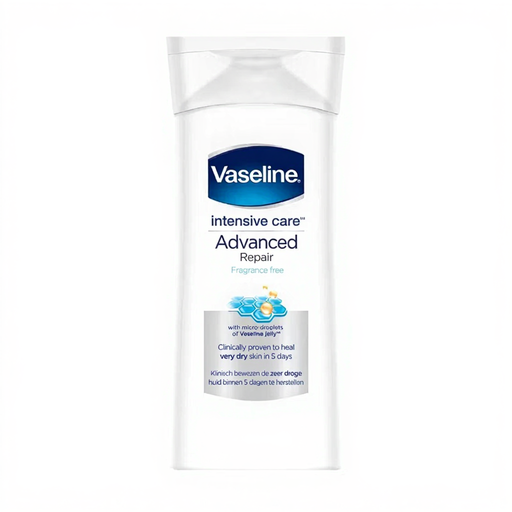
Why it suits this profile: According to the product information, the fragrance-free formula is designed for very dry skin and daily use on rough areas.
This choice takes fragrance preferences and skin type into account, rather than relying only on an appealing fragrance claim.
Fragrance-free formula, glycerine, dimethicone and petrolatum, according to the ingredients list; intended for very dry skin.
We’ve put together a complete, up-to-date list of products that meet these strict selection criteria and the applicable European safety regulations.
For most daily routines, once a day after showering is a practical starting point. If you have dry skin, you can reapply when it feels tight. Always follow the instructions on the packaging.
Check the expiry date or the symbol showing how long the product can be used after opening. Store the bottle in a cool, dry place away from direct sunlight, and close the cap or pump securely. If the fragrance, colour or texture changes noticeably, stop using the product.
Body lotion is usually lighter and suitable for larger areas of the body and everyday use. Body cream or body milk often has a richer texture and may feel more comfortable on very dry areas. The right choice depends on your skin type, the season and how quickly you want it to absorb.
