
Vandaag of morgen in huis

Kwaliteit gegarandeerd

Welkomstaanbiedingen ontgrendelen: GRATIS bezorging | Tot 80% korting | Gratis 30 dagen JoyPlus-proefperiode
Download de app
A good body lotion needs to suit your skin type, when you use it, and your preferred texture. Yet many shoppers choose based on a striking promise on the packaging. Claims like “72-hour hydration”, “restorative” or “for all skin types” sound clear, but they don’t always tell you how the product feels or who it’s actually suitable for.
So watch out for three common pitfalls:
A lotion is usually thinner and spreads easily over large areas of the body. That makes a hydrating body lotion practical for daily use. A body milk sits somewhere between a lotion and a cream in texture and is suitable when you want a bit more nourishment without a heavy feel.
For dry or very dry skin, a body cream or body butter may be more logical. These formulas often contain richer ingredients, such as shea butter, mineral oils or plant oils. They can help limit moisture loss, but they sometimes take longer to absorb.
A body oil is best applied to slightly damp skin. Oil mainly adds a protective, nourishing layer. It’s not the same as a water-based moisturiser and doesn’t always replace a body lotion.
Look for ingredients that match your goal:
A product with lots of nourishing ingredients isn’t automatically right for everyone. Always check the full ingredients list and, if you have sensitive skin, consider choosing a fragrance-free formula.
“72-hour hydration” doesn’t mean you can go three days without applying product. For the NIVEA Repair & Care Body Lotion, the product information mentions a test with 44 people after a single application. For other NIVEA products, a clinical or instrumental test is cited. So read the packaging for the exact test method.
A sun cream SPF 50 is also a different product type from body lotion. The NUXE Sun Melting Cream SPF50 is, according to the product information, intended for the face and protects against UVA and UVB radiation when applied correctly and regularly. Use sun protection as directed on the label and don’t see a regular body lotion as a substitute.
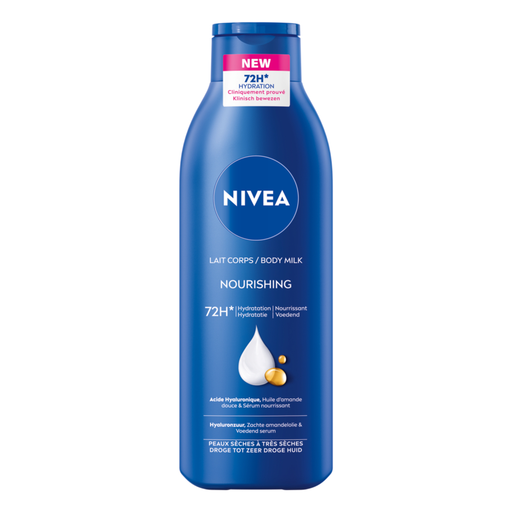
Why this fits the profile: The light body milk is designed for dry to very dry skin and, according to the product information, is non-greasy and fast-absorbing. Handy for daily use after showering.
The usage information mentions both the texture and the test basis for the hydration claim. This means you can assess the “72-hour” claim in context.
400 ml, with hyaluronic acid, almond oil and a caring serum; according to the manufacturer, fast-absorbing.

Why this fits the profile: This body milk is aimed at shoppers who want a skincare ritual combined with a light, fast-absorbing texture.
The product description makes the absorption speed clear: according to the manufacturer, you can get dressed immediately after applying.
400 ml; designed for normal to dry skin; according to the product information, up to 48 hours of hydration.
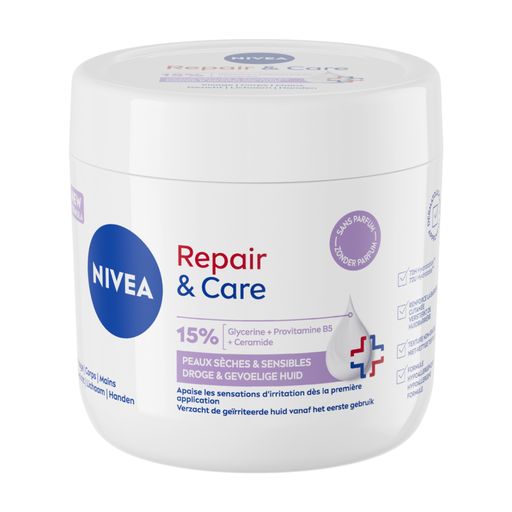
Why this fits the profile: The fragrance-free formula with 10% glycerine and panthenol is, according to the product description, developed for sensitive and dry skin.
Choosing a fragrance-free cream limits one common source of sensitivity. Still test a new product on a small area of skin first.
400 ml; 10% glycerine and panthenol; according to the manufacturer, suitable for children aged 3 and over.
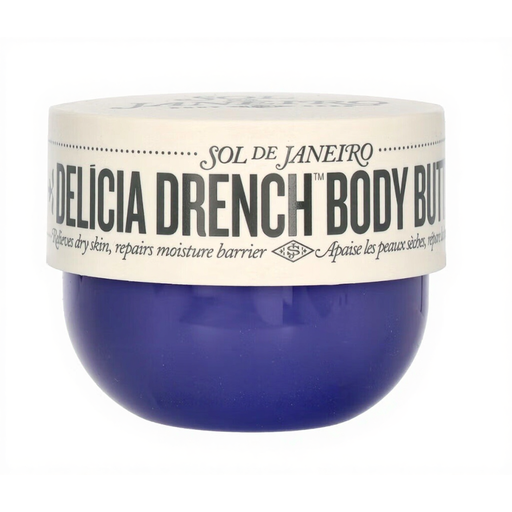
Why this fits the profile: The rich body butter is designed for adults who want extra nourishment, a full texture and a fragranced skincare product.
The product information mentions the rich composition and the fragrance allergens present. So you know in advance that this isn’t a fragrance-free basic cream.
240 ml; shea and coconut oil in the ingredients list; according to the product description, a velvety texture.
We’ve put together a full, up-to-date list of products that fully meet these strict selection criteria and comply with current European safety regulations.
For most people, once a day after showering is practical. Apply the lotion to clean, slightly damp skin. If you have dry or very dry skin, reapplying to rough areas like elbows, knees and heels can be beneficial. Always follow the usage instructions on the packaging.
Body lotion is usually light and suitable for large areas. Body cream and body butter are often richer and suit extra dry patches. Body oil mainly adds a nourishing layer and works best on slightly damp skin. You can combine products, for example using body lotion first and then a small amount of oil on dry areas.
Check the expiry date and the symbol of the open jar, such as 12M. Store the packaging in a cool, dry place, close it properly and watch for changes in smell, colour or texture. Don’t use a product on damaged or irritated skin if the label advises against it. If skin problems persist, it’s wiser to seek advice from a doctor or pharmacist than to keep switching body care products yourself.
