
Same-day & Next-day Delivery

Quality Guaranteed

Unlock Your Welcome Offers: FREE Delivery | Up to 80% OFF | Free 30-day JoyPlus trial
Download the APP
A new body lotion seems like a simple purchase – until you’re standing in front of a shelf or scrolling through a long online list. Scent, “intensive care”, a smooth texture and promises of long-lasting hydration all sound appealing, but they don’t always tell you enough about whether a product is right for your skin.
So pay close attention to the formula, the skin type the product is designed for, and the amount per pack. Below you’ll find practical selection criteria and a few popular choices for different user profiles.
Terms like “72-hour hydration” or “repair” are often based on information from the brand. According to NIVEA’s own research, the Caring Body Milk hydrates for up to 72 hours; the product description mentions clinical backing for this. That doesn’t mean every user will have exactly the same experience.
So also look at verifiable features, such as glycerine, hyaluronic acid, urea, oils, petroleum jelly or ceramides in the ingredients list. The position of an ingredient in the list can give you an indication of the amount, but it’s not a complete assessment of how well it works.
A lotion for sensitive skin doesn’t automatically have to be fragrance-free. So check whether “parfum” and individual fragrance ingredients like limonene, linalool or geraniol appear on the label.
If you’re specifically looking for a fragrance-free body lotion, you could consider the MUJI Sensitive Skin Body Lotion or Vaseline Advanced Repair. Always check the packaging again, because formulas can change.
A 200 ml pack might look cheaper than a 400 ml bottle, but the price per 100 ml gives you a fairer comparison. A multi-pack, such as six 400 ml bottles, is particularly practical when several family members use the same lotion. Don’t buy a large pack if you don’t yet know the scent or texture.
For normal or slightly dry skin, a light lotion that absorbs quickly is often enough. For dry skin, ingredients like glycerine, oils and occlusive ingredients such as petrolatum can help limit moisture loss. For very dry skin, a richer formula or a body lotion with urea is often the better choice.
Also note the difference between body lotion and body milk. A body milk is usually more liquid and can be pleasant for daily use on large areas of the body. A rich lotion is more suitable if you mainly want to care for knees, elbows, shins or heels.
A pump bottle is handy for daily use after showering. A smaller 75 ml pack is suitable for a bag, holidays or for trying a product for the first time. With a body milk, also pay attention to absorption: “absorbs quickly” is a product claim, while your own experience may depend on the amount you use and your skin’s condition.
Apply body lotion to clean skin, ideally after showering. Massage the lotion in gently and follow the usage and safety instructions on the packaging. Stop if irritation occurs and consult a doctor if symptoms persist.
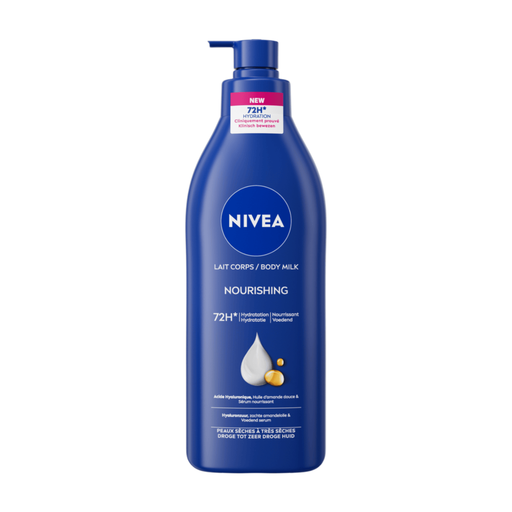
Why this fits the profile: The 400 ml size is practical for daily use and the body milk is designed for dry to very dry skin.
The product information states both the volume and the target audience. This means you don’t have to rely solely on a general care claim.
Contains sodium hyaluronate, almond oil and glycerine; according to NIVEA, the light formula absorbs quickly. The ingredients list includes parfum and fragrance ingredients.
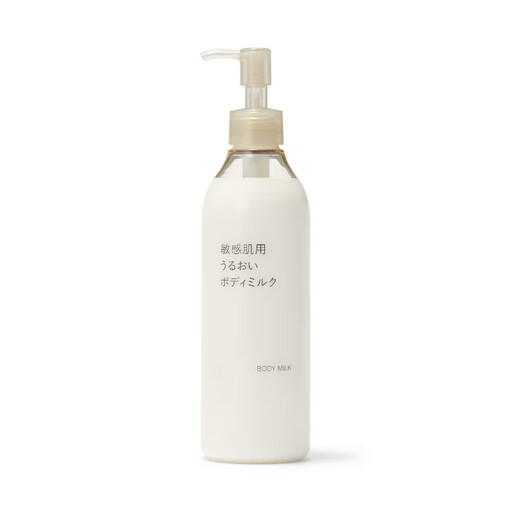
Why this fits the profile: The formula appeals to shoppers who look for a short list of excluded ingredients and a mild, fragrance-free care product.
The product description states no fragrance ingredients, colourants, mineral oil, parabens or alcohol. That makes checking easier, but an allergy test is still no guarantee for every user.
300 ml content; according to the product information, it contains ceramide, five amino acids and three plant extracts as moisturising ingredients.
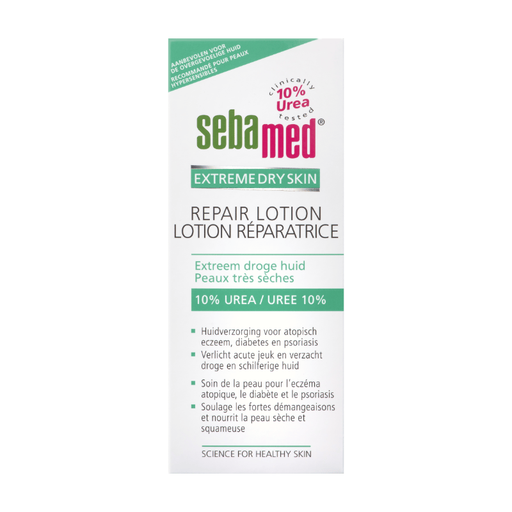
Why this fits the profile: The clear 10% urea concentration makes this lotion interesting for anyone specifically looking for a body lotion for very dry skin.
The formula uses a specific ingredient and percentage rather than just a general term like “intensive”. The ingredients list does include parfum.
200 ml content; contains 10% urea, glycerine and almond oil. According to the usage instructions, the lotion is intended for dry areas on the body.
We’ve put together a full, up-to-date list of products that fully meet these strict selection criteria and comply with current European safety regulations.
For daily care, you can apply body lotion after showering, when your skin is clean. If you have dry skin, you may need to reapply. Always follow the instructions on the label and don’t use more product than necessary to cover your skin evenly.
Check the expiry information and the symbol of an open jar on the packaging. That symbol tells you how long the product can be used after opening. Store the bottle in a cool, dry place away from direct sunlight. Close the lid or pump properly after use.
A body lotion with urea can be suitable for dry or very dry skin, but how well it works varies from person to person. Check the ingredients, follow the usage instructions and stop if irritation occurs. If you have persistent skin problems, it’s wiser to seek advice from a doctor than to keep trying different products yourself.
