
Vandaag of morgen in huis

Kwaliteit gegarandeerd

Welkomstaanbiedingen ontgrendelen: GRATIS bezorging | Tot 80% korting | Gratis 30 dagen JoyPlus-proefperiode
Download de app
A body lotion may seem like a simple product, but the differences lie in texture, ingredients, size and intended use. A lightweight lotion can feel pleasant after showering, while a rich body cream may be better suited to rough elbows or tight-feeling skin. If you focus only on fragrance, packaging or a promise such as “72-hour hydration”, you may end up paying for features that are not right for your skin.
Claims such as “firming”, “repairing” or “72-hour hydration” sound specific, but the evidence behind them varies from one brand to another. According to NIVEA’s product information, the Q10 body lotion was assessed in an instrumental test involving 44 volunteers. The stated effect of the Collagen Boost Complex was also tested in vitro. This provides useful context, but it does not predict exactly how your skin will respond.
Always check:
A nourishing body cream can feel pleasant on dry patches, but may feel heavy when applied to large areas of the body. A fast-absorbing body cream is practical under clothing, but may not provide the same comfortable feel as a thicker cream.
Pay attention to the difference between:
Perfume, essential oils and fragrance allergens such as limonene, linalool or citronellol may be less suitable for some users. A product containing natural ingredients is not automatically suitable for every sensitive skin type either. Check the ingredients list and test a new formula on a small area of skin first. Stop using it if irritation occurs and follow the warnings on the packaging.
A moisturising body lotion often contains glycerine, an ingredient that helps retain water in the upper layers of the skin. Rich formulas may also contain shea butter, plant oils, petroleum-derived ingredients or silicones. These substances can contribute to a more comfortable skin feel and help limit moisture loss.
For dry skin, the combination of texture and nourishing ingredients is particularly important. Do not focus only on one prominent ingredient highlighted on the front of the packaging.
For everyday use after showering, a lotion that absorbs quickly is often convenient. If you mainly experience dryness on your knees, hands, feet or elbows, a body cream for dry skin may be more practical. A cream for the face and body can save space in the bathroom, but check that the product information specifically mentions both uses.
For sensitive skin, a short ingredients list and a formula without a strong fragrance may be sensible points to consider. “Dermatologically tested” or “suitable for sensitive skin” should be read as information provided by the brand, not as a personal guarantee.
A 400 ml bottle is suitable if you apply lotion to large areas of your body every day. A 75 ml tube is easier to take with you or use on localised dry patches. A pump bottle can be hygienic and practical, while a tub may be less convenient when you are standing in the bathroom with wet hands.
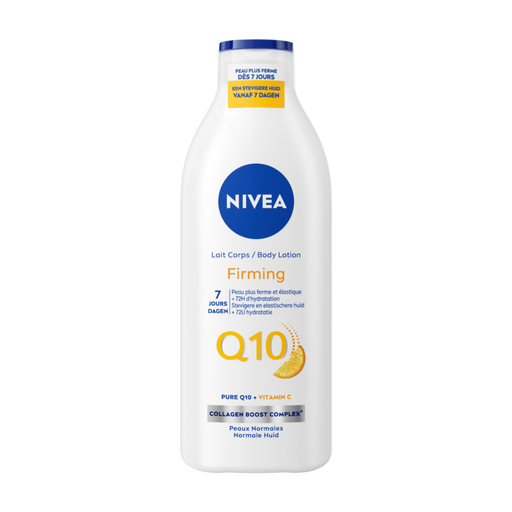
Why it suits this profile: The large pump bottle is practical for everyday use on your arms, legs and torso. According to the product information, the lotion is intended for normal skin and contains Q10 and vitamin C.
The product information does not just mention the firming claim; it also states the skin type, contents and test context. This helps you assess the claim in better perspective.
400 ml, pump bottle, lightweight creamy texture and, according to the brand’s product information, up to 72 hours of hydration. The claim is based on an instrumental test involving 44 volunteers.
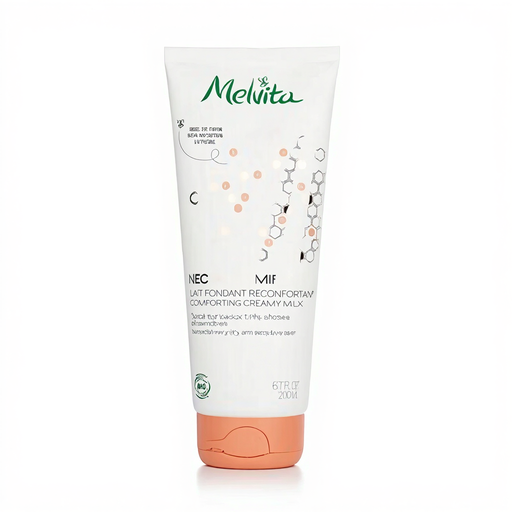
Why it suits this profile: This richer body milk is a good choice if you value a nourishing texture and certified natural cosmetics. The product information states that it is suitable for dry and sensitive skin.
The formulation and warnings are clearly stated. The formula contains honey and beeswax and is therefore, according to the product information, not suitable for vegans.
200 ml, honey and shea butter listed among the ingredients, an ECOCERT certification and 20% of the ingredients sourced from organic farming, according to the product information.
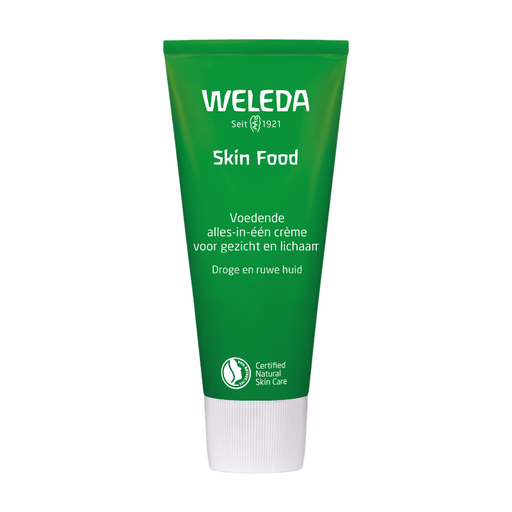
Why it suits this profile: This rich cream is designed for dry, rough areas on the face and body, such as hands, elbows and feet. That makes it suitable for targeted intensive care.
The small tube makes it clear that this is more of a targeted cream than a lotion for the whole body. This helps you avoid buying a heavy product for everyday use on large areas.
75 ml, suitable for the face and body and, according to the product information, made with 100% natural ingredients and carrying the NATRUE certification.
We have put together a complete, up-to-date list of products that fully meet these strict selection criteria and the applicable European safety regulations.
Apply a moisturising body lotion to clean skin, preferably shortly after showering. Pat your skin dry, but do not let it dry out completely before applying the lotion. Spread a small amount evenly over the skin and allow richer creams extra time to absorb.
For dry skin, this approach is often more practical:
If you are looking for a fast-absorbing body cream, it is worth checking the texture description first. If natural skincare is important to you, also check the certification and the full ingredients list rather than relying solely on the word “natural” on the front of the packaging.
That depends on your skin and when you use it. Applying it daily after showering is a common routine. For dry patches, you can reapply a richer cream locally according to the instructions on the label.
Body lotion is usually thinner and easier to spread over a large area of skin. Body cream is often thicker and better suited to localised dry or rough areas. The exact texture varies from one brand to another, so always check the product description.
Check the expiry date and the symbol indicating the period after opening on the packaging. If you are unsure about the product’s smell, colour or consistency, it is best not to use it. Store the packaging in a cool place away from direct sunlight if this is recommended on the label.
