
Livraison le jour même et le lendemain

Qualité garantie

Débloquez vos offres de bienvenue: Livraison GRATUITE | Jusqu'à -80 % | 30 jours d'essai gratuits à JoyPlus
Téléchargez l'application
A dry skin doesn’t automatically call for a thick, greasy cream. The right body lotion depends on your skin type, the texture you prefer, and where you plan to use the product. What’s more, a body lotion isn’t always suitable as a face and body cream.
If you only look at claims like “72-hour hydration” or “intensive care”, you could easily end up buying a product that doesn’t fit your daily routine. Below, you’ll find out what to look for and which popular choices suit different user profiles.
Brands often mention 24, 48, 72 or even 100 hours of hydration. These are product specifications or results from the brand’s own research, not automatically a personal guarantee. According to NIVEA’s own research, the Caring Body Milk offers up to 72 hours of hydration. Clarins claims up to 48 hours, and Olay up to 24 hours.
Your experience may vary depending on showering, the season, humidity levels and the condition of your skin. So use a lotion consistently, ideally straight after showering when your skin is still slightly damp.
A product that the description says is suitable for all skin types can still contain fragrance or certain preservatives. If you have sensitive skin, always check the current ingredients list on the packaging. Pay particular attention to perfume and fragrance allergens such as limonene, linalool, geraniol and citronellol.
A body lotion for sensitive skin is often fragrance-free or has a shorter ingredients list, but even then, it’s wise to do a small patch test on a limited area of skin.
The skin on your face can react differently to the skin on your arms and legs. A rich body cream might feel lovely on dry knees, but too heavy on oilier facial skin. Conversely, a light facial lotion may be less practical for larger body areas.
Always check the stated area of use. Clinique Moisture Surge, for example, is a face cream; Clarins Body-Smoothing Moisture Milk is intended for the body.
For normal skin, a light, daily-use lotion is often sufficient. For dry skin, ingredients like glycerine, oils, shea butter, dimethicone or petrolatum are relevant for attracting moisture, keeping skin feeling supple or limiting moisture loss.
For very dry skin, a body milk or richer cream may be more comfortable than a thin lotion. Don’t just look at the front of the packaging, but also check:
A body lotion with hyaluronic acid, for example, often contains sodium hyaluronate. That’s the form you’ll find on the ingredients list. Its presence alone doesn’t tell you how much or how long the product will work for you.
A fast-absorbing body lotion suits people who want to moisturise and get dressed straight away. A body milk or body cream usually feels richer and may need more time to fully absorb.
Look at the product description:
A claim like “non-greasy” or “fast-absorbing” comes from the brand’s product information. Treat it as a guide, not a universal experience.
A 400 ml bottle is practical for daily use all over the body. A 200 ml or 250 ml bottle is handier for travel or to try out first. Also compare the volume when you’re looking at different variants.
Also check the shelf life after opening, which is often shown as, for example, 12M on the packaging. Store the lotion in a cool, dry place away from direct sunlight. Stop using it if irritation occurs and avoid contact with the eyes.
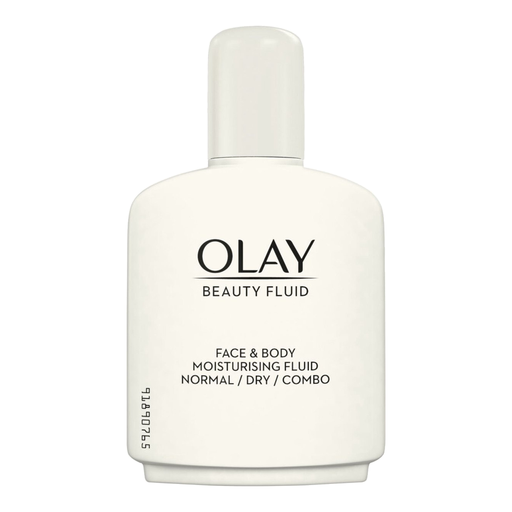
Why this fits: A compact face and body cream for anyone looking for one light lotion for daily use.
The product description clearly states use for face and body and a light, fast-absorbing formula. The size is 100 ml, so it’s good for trying out first.
According to the product information, Olay offers 24-hour hydration, is dermatologically tested and suitable for all skin types.

Why this fits: A gel cream for the face with a light texture, designed for those who want to combine make-up, daily care and a hydrating mask.
The product details explicitly mention the face as the area of use. This means you won’t accidentally use this formula as a large body lotion.
According to the product information, the formula is fragrance-free, oil-free and non-comedogenic. Clinique claims up to 100 hours of hydration based on its own product information.
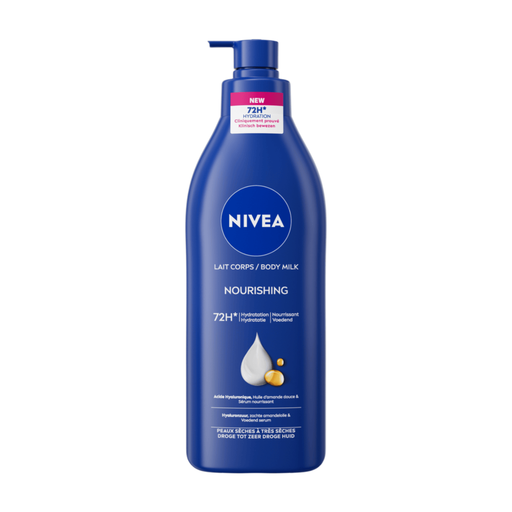
Why this fits: A generous body milk for dry to very dry skin, suitable for regular use on arms, legs and torso.
The packaging states the skin type, size and key ingredients. This lets you judge the choice based on concrete information rather than just the claim “intensive”.
According to NIVEA’s own product information, the body milk contains hyaluronic acid, almond oil and a nourishing serum. The size is 400 ml.
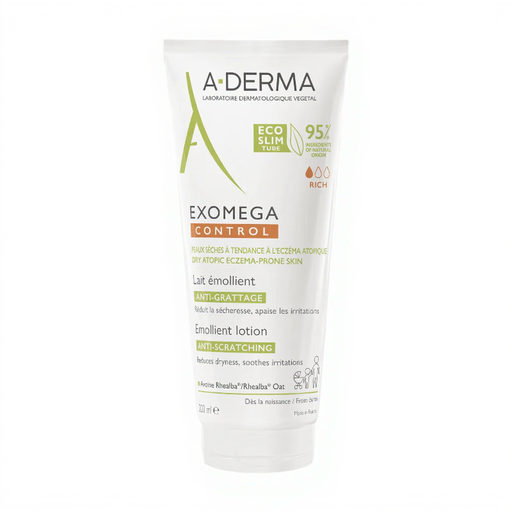
Why this fits: A fragrance-free lotion for people who value a simple formula and use on both face and body.
The product information mentions a fluid, non-sticky texture and no fragrance. Always check the current packaging and stop use if irritation occurs.
According to the product description, the lotion is dermatologically and paediatrically tested, fragrance-free and intended for daily use from birth.
Browse our current selection of hydrating lotions for dry skin and compare skin type, size, texture and ingredients.
Yes, daily use is the intention for many lotions. Apply the product after showering onto clean skin. Follow the instructions on the packaging and use less product on areas where your skin doesn’t feel dry.
A body milk is usually a practical middle ground between lotion and cream. A body cream often feels richer and may be better for very dry areas like elbows, knees and heels. Look at the texture and ingredients, not just the name on the packaging.
It can be, but hyaluronic acid alone doesn’t determine whether a product is suitable. Check the full ingredients list, especially for perfume and fragrance allergens. For sensitive skin, a fragrance-free formula is often a more logical starting point. If skin problems persist, consult a doctor or pharmacist.
