
Vandaag of morgen in huis

Kwaliteit gegarandeerd

Welkomstaanbiedingen ontgrendelen: GRATIS bezorging | Tot 80% korting | Gratis 30 dagen JoyPlus-proefperiode
Download de app
Body lotion may seem like a simple purchase, but the difference between enjoyable daily care and a bottle left unused often comes down to small details. A body cream that’s too rich can feel sticky under clothes. A fragranced lotion may not be suitable if your skin reacts easily. And a large bottle isn’t good value if you stop liking the fragrance or texture after a few uses.
As Joybuy Product Recommendation Officer, I focus on information that can be checked: skin type, ingredients, size, when to use it and warnings on the packaging. That way, you can compare body lotions based on practical features rather than eye-catching marketing claims.
Brands sometimes state that a product provides, for example, 48 or 72 hours of hydration. This is a claim made by the brand and depends on the conditions, your skin and how much you apply. According to NIVEA’s own research, Caring Body Milk provides hydration for up to 72 hours. This doesn’t mean that everyone can go that long without reapplying.
So check the directions for use and the ingredients too. Glycerine, oils, silicones and petroleum-based ingredients can help your skin feel comfortable, but on their own they don’t tell you how you’ll find the product.
A body lotion for all skin types can be a handy all-round choice, but fragrance, alcohol, colourants or certain preservatives may not suit everyone. If you have sensitive skin, it’s a good idea to check the full ingredients list.
A patch test on a small area of skin is a sensible precaution, especially with a new formula or if you’ve experienced irritation before. Stop using the product if you develop redness, itching or a burning sensation, and follow the safety information on the packaging.
A warm vanilla scent or fresh floral fragrance may be appealing, but a scent can linger on your skin. For everyday use at the office, when exercising or in a household with several users, a subtle or fragrance-free option may be more practical.
Also be aware of the difference between body milk, body lotion and body cream. Body milk is often thinner and easy to spread over larger areas of skin. A cream usually feels richer. However, these names aren’t governed by a fixed European standard, so focus on the ingredients and texture.
For normal to dry skin, a fast-absorbing body lotion can be pleasant to use in the morning. If your skin is very dry, a richer body cream or body milk may be a better fit, particularly on your elbows, knees and lower legs.
If you’re looking for a body lotion for everyday use, consider:
A body lotion with hyaluronic acid isn’t automatically better for everyone. The overall formula and your preferences for fragrance, finish and spreadability still matter.
Check the label for Parfum or individual fragrance ingredients such as limonene, linalool, geraniol or citronellol. A fragrance-free body lotion can be a sensible choice if you want to avoid fragrance, but “fragrance-free” doesn’t guarantee that every skin reaction can be ruled out.
According to the product information, the MUJI formula below contains no fragrance, colourants, mineral oil, parabens or alcohol, among other ingredients. A personal patch test is still a sensible precaution.
Don’t compare just the price of the bottle; check its size too. A 400 ml bottle is practical for everyday use by one or more people. A 100 or 200 ml tube is easier to take with you, but may cost more per millilitre.
Check the shelf life after opening, often shown as 12M, and store the lotion according to the label: tightly closed, in a dry place and away from direct sunlight. A pump bottle can also be more hygienic and easier to dispense than a wide tub, while a tube is handy for travel.
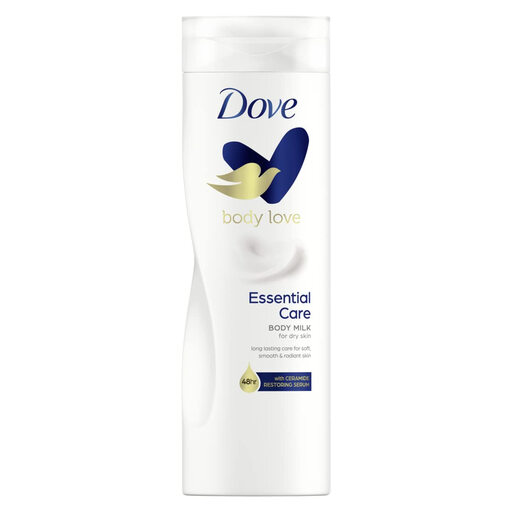
Why it suits this profile: The 400 ml size is practical for everyday use, and the product information says it’s suitable for normal to dry skin.
The specifications describe it as a fast-absorbing formula, so you don’t have to choose based on fragrance or packaging alone. However, the ingredients list includes perfume and named fragrance allergens, so check it beforehand.
400 ml; described as containing a ceramide-repairing serum; designed for everyday use.
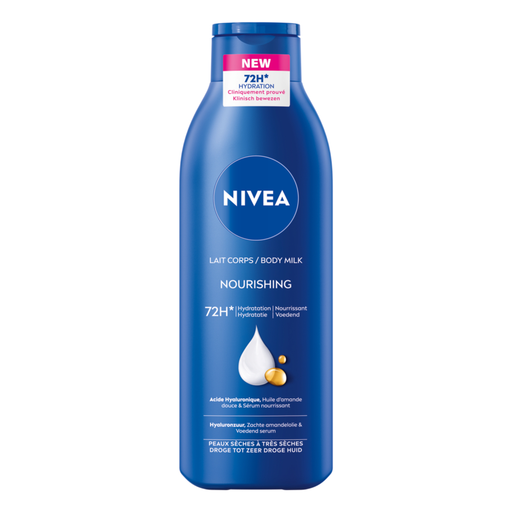
Why it suits this profile: This body milk is designed for dry to very dry skin and, according to the product information, combines hyaluronic acid, almond oil and a nourishing serum.
The product information specifies both the skin type and texture: non-greasy and fast-absorbing. The formula contains perfume and fragrance ingredients, so checking the label is still important if you have sensitive skin.
250 ml; lists hyaluronic acid and almond oil; described as suitable for dry to very dry skin.
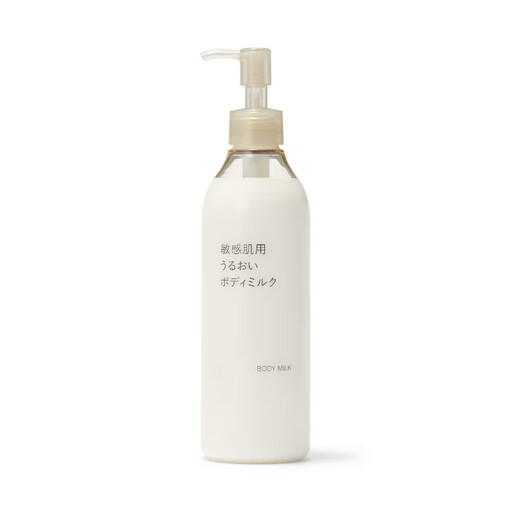
Why it suits this profile: A sensible choice if you’re looking for a fragrance-free body lotion and want to keep a close eye on the ingredients list.
The product description says it contains no fragrance, colourants, mineral oil, parabens or alcohol. “Hypoallergenic” is a product claim; according to the information, an allergic reaction is still possible.
300 ml; lists ceramide and five types of amino acids; fragrance-free according to the product information.
We’ve put together a complete, up-to-date list of products that meet these strict selection criteria and the applicable European safety requirements.
Apply body lotion to clean skin, ideally shortly after showering while your skin is still slightly damp. Use enough product to spread it easily, but avoid applying a thick layer that won’t absorb. Pay extra attention to dry areas such as your hands, knees, elbows and heels.
You don’t have to use the same body lotion everywhere for everyday care. You could use a light formula on your arms and torso, and a richer body cream on particularly dry areas. Use a product containing fruit acids such as AHAs only as directed on the packaging, and take extra care if you have sensitive skin. According to Sol de Janeiro’s own product information, Bom Dia Bright contains fruit acids and vitamin C, among other ingredients. This doesn’t guarantee that it will fade dark spots.
Yes, many formulas are designed for normal to dry skin. If your skin is dry or very dry, choose a product with humectant and emollient ingredients, such as glycerine, oils, shea butter or hyaluronic acid. Also check that you like the fragrance and texture enough to use it every day.
Body milk is generally thinner and easier to spread over larger areas of skin. Body cream often feels richer and can be practical for particularly dry areas. The exact texture varies from one brand to another, so check the ingredients and product information for details on how it feels to use.
Check the packaging, which often shows an open-jar symbol such as 12M. Keep the bottle tightly closed, away from direct sunlight and follow the manufacturer’s storage instructions. If the fragrance, colour or texture changes noticeably, stop using the product.
