
Vandaag of morgen in huis

Kwaliteit gegarandeerd

Welkomstaanbiedingen ontgrendelen: GRATIS bezorging | Tot 80% korting | Gratis 30 dagen JoyPlus-proefperiode
Download de app
A body lotion might seem like a simple product, but the differences in texture, ingredients, fragrance and intended use are significant. A light body milk can feel lovely after a shower, whereas a rich body cream is better suited to very dry skin. If you only look at the packaging or a promise like “48-hour hydration”, you could end up buying a product that doesn’t really suit your needs.
The main pitfalls when choosing a body lotion are:
For normal skin, a light body lotion is often practical for daily use. Look out for ingredients like glycerine, which appears in many formulas and helps to attract moisture. A body milk usually has a fuller texture and is better suited to dry skin. A body cream is often even richer and can be comforting for rough areas like elbows, knees and heels.
For dry or very dry skin, the following product features are particularly relevant:
A product description should not be read as a medical guarantee. If you have persistent complaints, sores or worsening symptoms, it’s wise to consult a doctor or dermatologist.
If you’re looking for a fragrance-free body lotion, don’t just look at the front of the packaging. Check the ingredients list for “Parfum” and individual fragrance substances like limonene, linalool or citronellol. According to the product information, the Vaseline Advanced Repair Body Lotion 200 ml is offered as fragrance-free. The Lucovitaal Body Lotion for Eczema & Psoriasis is also described as fragrance-free.
A pleasant scent can be a bonus for daily use, but for a body lotion for sensitive skin, a simple formula without fragrance is often a more logical starting point. “Dermatologically tested” indicates that a brand has had a certain level of skin tolerance assessed, but it doesn’t guarantee that every user will tolerate the product without issue.
If you’re after a firming body lotion, you’ll often come across Q10 and vitamin C. The NIVEA Q10 formulas contain ubiquinone and sodium ascorbyl phosphate, a vitamin C derivative. According to NIVEA’s own research, the formula can make the skin appear visibly firmer from seven days onwards; the stated test data is based on instrumental measurements and limited participant groups.
Use this kind of claim as comparative information, not as a certainty. Also consider practical points:
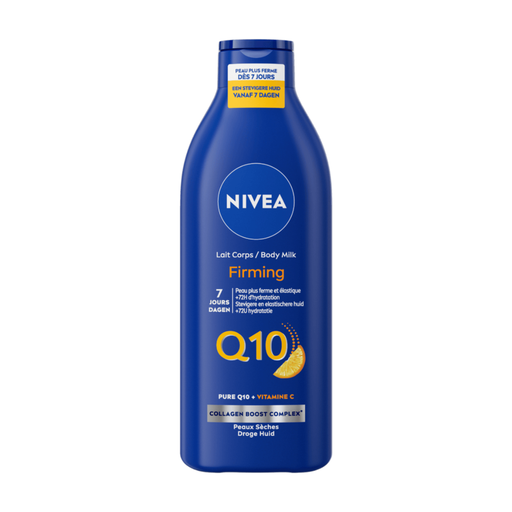
Why this suits the profile: The 400 ml bottle is practical for daily use, and according to the product information, the body milk has been developed for dry skin. The texture is rich but designed to absorb quickly.
The skin category and volume are clearly stated. Do check whether the fragrance and richer texture suit your preferences.
400 ml, glycerine, Q10 and vitamin C; according to the product information, suitable for daily use.
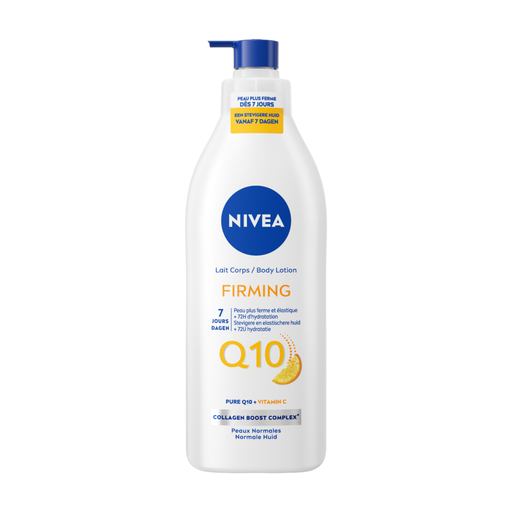
Why this suits the profile: The pump is handy when you use the lotion every day. The formula contains Q10, vitamin C, glycerine and shea butter, and according to the product information it is intended for normal skin.
The product information distinguishes between skin type, ingredients and usage. The firming claim remains a brand claim with a stated test basis.
400 ml pump bottle, light texture according to the description and a pleasant fragrance.
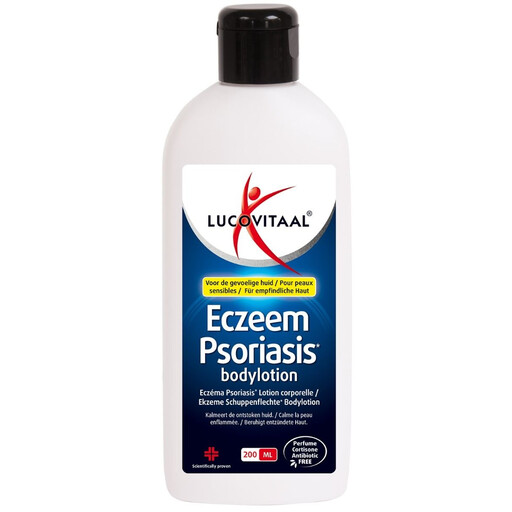
Why this suits the profile: This lotion is specifically aimed at adults with doctor-diagnosed eczema or psoriasis issues. According to the product information, the formula is fragrance-free and intended for once-daily use.
The application and target group are specifically described. Read the instructions for the medical device before use and do not use it as a substitute for medical advice.
200 ml, fragrance-free formula according to the description and targeted at dry, flaky skin with diagnosed conditions.
We’ve put together a full, up-to-date list of products that fully meet these strict selection criteria and comply with current European safety regulations.
Apply the lotion to clean skin, ideally after a shower while your skin is still slightly damp. This often makes the care feel more comfortable. Massage it in gently and pay extra attention to dry areas. When trying a new formula, first use a small amount on a limited area of skin. Stop if you experience irritation, redness or a rash, and follow the safety information on the packaging.
For daily body care, once a day is a practical starting point. If you have dry skin, you may need to reapply, especially after showering or on rough areas. Always follow the instructions for use on the product you choose.
Body lotion usually has a light to medium-rich texture. Body milk is often fuller and is frequently chosen for dry skin. Body cream is typically the richest and is best suited to very dry areas. The names aren’t fully standardised, so also look at the ingredients and the description.
Look for a short formula without fragrance and check the ingredients list for known fragrance substances. A body lotion for eczema and psoriasis is only suitable when the product information matches your situation. If you have medical complaints or are unsure, it’s wise to consult a doctor or pharmacist.
