
Vandaag of morgen in huis

Kwaliteit gegarandeerd

Welkomstaanbiedingen ontgrendelen: GRATIS bezorging | Tot 80% korting | Gratis 30 dagen JoyPlus-proefperiode
Download de app
Body lotion may seem like a straightforward product, but options vary widely in texture, ingredients, fragrance and intended use. A lotion for the body is not automatically suitable for your face. And even if you like the way a product smells, it may not be the best choice for sensitive skin.
The three most common buying pitfalls:
Body lotion is designed for larger areas of the body. A face lotion or moisturiser is generally formulated for facial skin and may have a different texture and composition. Always use a product as directed on its packaging.
Options for the face include:
These products are suited to Korean skincare or a more targeted facial skincare routine. They are not the same as a large bottle of body lotion for everyday use on your arms and legs.
A moisturising body lotion often contains humectants such as glycerine or hyaluronic acid. These ingredients help draw in moisture and leave your skin feeling supple. A body lotion with hyaluronic acid may be worth considering if you’re looking for a lightweight, hydrating formula.
For body lotion for dry skin or body lotion for very dry skin, emollient and occlusive ingredients are also important. Look for shea butter, dimethicone, petrolatum and oils. A body lotion with shea butter often feels richer than a watery lotion.
Also check:
If you experience irritation, redness or swelling, it’s best to stop using the product. You could also test a new product on a small area of skin first, and always follow the safety instructions on the packaging.
For everyday use all over the body, 400 ml packs are often practical. Face lotion usually comes in sizes of 50 to 125 ml, as you need less for each application. A 200 ml pack may suit a smaller bodycare routine, hand care, or use on the face and neck, depending on the product instructions.
A pump bottle is handy in the bathroom, while a tube is easier to take with you. Comparing the price per 100 ml can help you weigh up different pack sizes more fairly. A smaller bottle isn’t automatically better value if you apply the product generously every day.
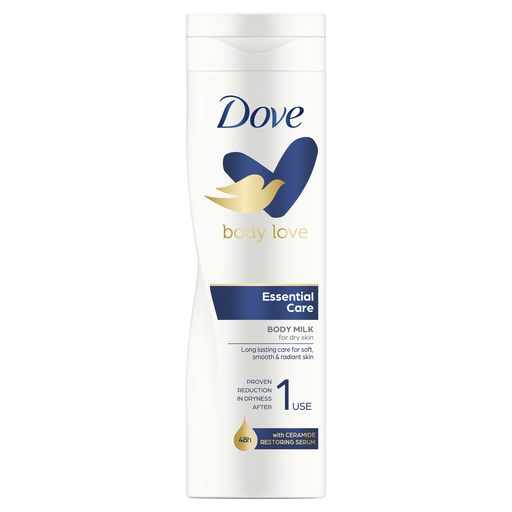
Why it suits this profile: An affordable lotion for everyday use on normal to dry skin, in a 250 ml bottle.
The product information recommends daily use and says it leaves skin feeling non-greasy. If you want to avoid fragrance, check the fragrance information first.
250 ml, glycerine and a formula for everyday body care.
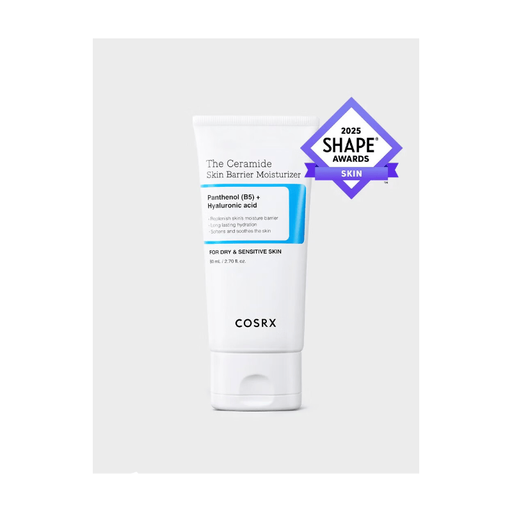
Why it suits this profile: Designed for anyone looking for a comprehensive facial skincare routine with ceramides, squalane and several forms of hyaluronic acid.
The ingredients list makes it easy to check the formula. The product information recommends a patch test, particularly if you have sensitive skin.
80 ml, ceramides, panthenol, squalane and hyaluronic acid for the face.
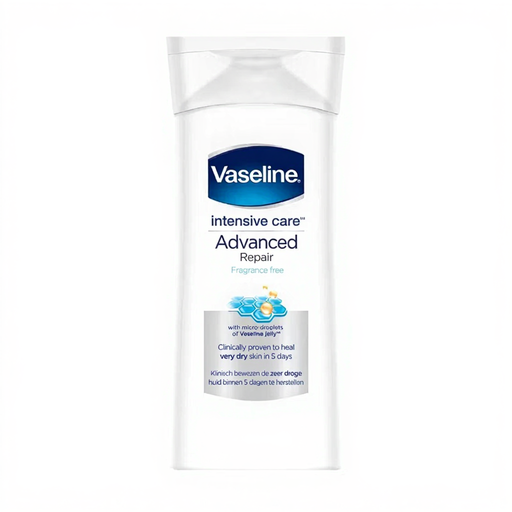
Why it suits this profile: A fragrance-free option if you’re looking for body lotion for very dry skin and need richer care every day.
The product description states that the formula is fragrance-free and has a fast-absorbing texture. The stated hydration duration is a brand claim, so judge how it feels on your skin in practice.
Fragrance-free, with glycerine and petrolatum; 400 ml according to the product information.
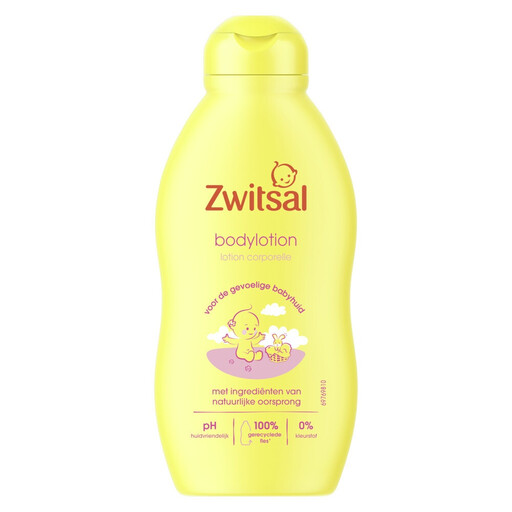
Why it suits this profile: A baby body lotion for parents looking for a product with vitamin E and a skin-neutral pH claim.
The ingredients list includes fragrance and fragrance allergens. If your baby has sensitive skin or a known allergy, check the ingredients carefully before using this product.
200 ml, vitamin E and a product description focused on the moisture balance of baby skin.
We’ve put together a complete, up-to-date list of products that meet these strict selection criteria and the applicable European safety requirements.
That depends on the product instructions and your skin. Many lotions are designed for everyday use, for example after showering. Apply the lotion to clean skin and massage it in until absorbed. If irritation persists, stop using it.
Check the expiry date, batch information and the period-after-opening symbol on the packaging. Store body lotion in a cool, dry place, away from direct sunlight, and keep the cap tightly closed. If the scent, colour or texture changes, stop using the product.
Not necessarily. A fragrance-free formula avoids fragrance as a potential irritant, but other ingredients can also cause a reaction. Check the full ingredients list, try a small patch test if you’re unsure, and seek medical advice if you have recurring skin problems.
