
Vandaag of morgen in huis

Kwaliteit gegarandeerd

Welkomstaanbiedingen ontgrendelen: GRATIS bezorging | Tot 80% korting | Gratis 30 dagen JoyPlus-proefperiode
Download de app
Body lotion may seem like a simple skincare product, but the range varies considerably. Are you looking for a body lotion for dry skin, a lightweight formula for everyday use or a lotion for your face? Ingredients, skin type, fragrance, size and ease of use all play a part.
Many consumers buy based on a prominent claim on the packaging. This can result in a product that feels too heavy, runs out quickly or is unsuitable for sensitive skin. With this practical buying guide, you can compare body lotion, body milk, body cream and face lotion using verifiable product information.
Terms such as “intensive”, “nourishing” or “long-lasting hydration” sound appealing, but they do not automatically tell you how the lotion feels or which skin type it is suitable for. That is why you should read the full product description and ingredients list.
A formula containing ingredients such as glycerine, oils, petrolatum or dimethicone may help to retain moisture or leave the skin feeling supple. This does not mean every skin type will have the same experience. A brand’s own research may show that certain results apply under specific conditions, so do not regard such claims as a guarantee for every user.
A fresh or warm fragrance may be pleasant on normal skin, but fragrances may be less suitable when you are looking for a body lotion for sensitive skin. Check whether parfum or fragrance allergens appear in the ingredients list.
A fragrance-free lotion is not automatically suitable for everyone, but it can be a sensible choice if you want to avoid fragrance. Also look out for warnings such as “stop using if irritation occurs” and always follow the instructions on the packaging.
A face lotion is generally formulated for use on the face and neck. Body milk or body cream is usually intended for larger areas of the body. A product described as suitable for both the face and body, such as Olay Beauty Fluid, can be practical if you want one lotion for both uses.
Do not automatically use a body product on your face if this is not stated on the label. Also avoid contact with the eyes and, if you have sensitive skin, test a new product on a small area of skin first.
First, decide what you need the lotion for:
A lotion containing hyaluronic acid, often listed as sodium hyaluronate, is regularly chosen as part of a moisturising routine. According to NIVEA’s product description, Caring Body Milk contains hyaluronic acid, almond oil and a nourishing serum. Always check the current packaging for the complete ingredients list.
The texture determines how easily you can incorporate the lotion into your daily routine. For example, a lightweight emulsion or fast-absorbing body lotion is suitable for use after showering before getting dressed. A richer body cream may feel more comfortable on the knees, elbows, heels or other dry areas, but may need more time to absorb fully.
The product description for Clarins Body-Smoothing Moisture Milk states that it has a fast-absorbing formula and is for use on the body. It comes in a 400 ml size, which can be practical for everyday use on larger areas of skin.
Do not compare only the price of a pack; also consider the number of millilitres. A 400 ml bottle may work out cheaper for daily use than a smaller size, while 50 or 100 ml may be more convenient for a facial skincare routine or for taking with you.
Also check the shelf-life information on the packaging. The period after opening is sometimes indicated by a symbol such as 12M. Use the product according to the label and do not store it in direct sunlight or at extreme temperatures.
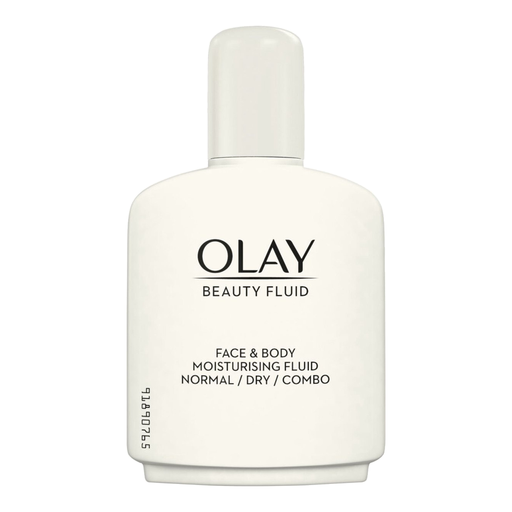
Why it suits this profile: The 100 ml pack is a manageable choice for anyone wanting to try a lotion for the face and body without immediately opting for a larger size.
The product description states that it is suitable for the face and body, so you do not have to guess whether it is intended for both areas.
According to the product information, the formula is lightweight, fast-absorbing and suitable for everyday use. Size: 100 ml.
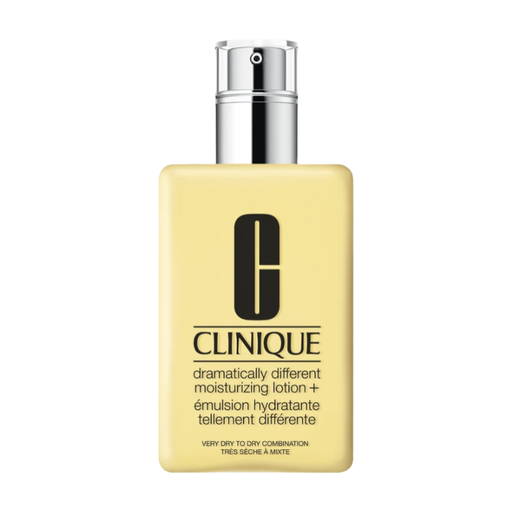
Why it suits this profile: This face lotion is designed for adults with very dry to dry/combination skin who are looking for an established facial skincare routine.
The product details specify the face and neck as the areas of use and state that it has a fragrance-free formula.
125 ml size, suitable for the face and neck, and, according to the product information, allergy-tested and developed under dermatological supervision.
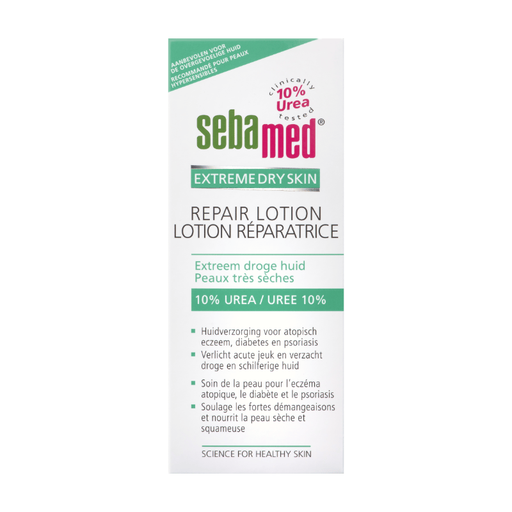
Why it suits this profile: According to the product details, this lotion is intended for dry areas of the body and contains 10% urea.
The urea percentage is clearly stated. This allows you to compare the formula based on a specific detail rather than relying only on a general term such as “intensive”.
200 ml size, 10% urea and instructions for use on dry areas of the body.
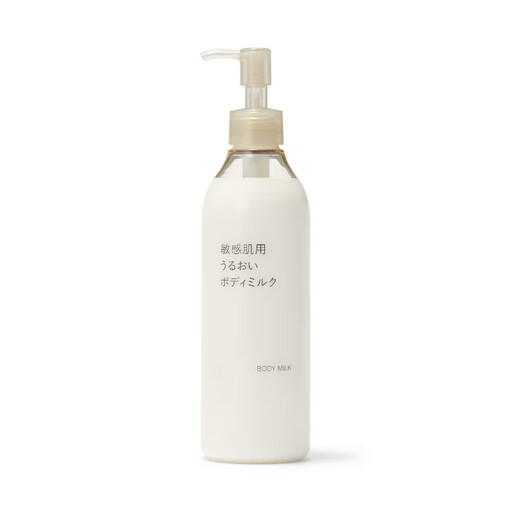
Why it suits this profile: The product description states that this is a fragrance-free body lotion without colourants, alcohol or mineral oil.
The key exclusions are clearly stated in the product information. However, always check the current packaging before buying.
300 ml size, a mildly acidic formula, and ceramide and amino acids listed as nourishing ingredients.
We have put together a complete, up-to-date list of products that fully meet these strict selection criteria and the applicable European safety regulations.
Apply a moisturising lotion to clean skin, preferably after showering. Pat your skin dry and spread the lotion evenly. Pay extra attention to dry areas, but avoid open wounds and the skin around the eyes if the product is not intended for those areas.
Use a small amount the first time you apply it. This makes it easier to notice whether the texture, fragrance and formula suit you. If you experience redness, swelling or persistent irritation, stop using the product and follow the safety information on the packaging.
Body milk is often lightweight and fluid, while body lotion may have a medium-weight texture. Body cream is generally richer and feels thicker. The exact texture varies by brand, so also check the product description and ingredients.
That depends on your skin and routine. Many products are intended for everyday use, for example once after showering or according to the manufacturer’s instructions. Dry skin may need care more often in some areas.
Not necessarily. Hyaluronic acid and urea are different ingredients with different roles in a skincare formula. Check the skin type, the concentration if stated, the warnings and the complete ingredients list. If you have sensitive skin, a patch test is advisable.
