
Vandaag of morgen in huis

Kwaliteit gegarandeerd

Welkomstaanbiedingen ontgrendelen: GRATIS bezorging | Tot 80% korting | Gratis 30 dagen JoyPlus-proefperiode
Download de app
A good body lotion doesn’t have to be complicated. Yet many consumers pay for promises that say little about how a product performs day to day. A bottle labelled “intensive hydration” or “restorative care” isn’t automatically right for your skin type, preferences or routine.
Look out for these three common pitfalls:
First, choose between a lotion for normal to dry skin and one for very dry skin. A moisturising body lotion often contains ingredients such as glycerin, listed in the ingredients as glycerin. A body cream or body milk may also have a richer texture because of oils, butters, silicones or occlusive ingredients such as petrolatum.
When choosing a lotion for dry skin, these points are useful to consider:
For body lotion for very dry skin, a richer formula may be more suitable. If you have persistent irritation, cracks or other skin problems, ask a doctor or pharmacist for advice. A cosmetic product is not a substitute for medical treatment.
Check the full ingredients list rather than just the front of the packaging. A product may be described as “nourishing”, for example, while still containing perfume or separately listed fragrance allergens.
A fragrance-free body lotion is an obvious choice if you want to avoid fragrance. Always check the current packaging, though, as formulas can change. Vaseline Advanced Repair is described as fragrance-free in the product information; check the label again when it arrives.
Plant-based ingredients such as aloe vera, oat extract or cocoa butter don’t automatically make a product suitable for everyone either. Check the full formula and stop using the product if irritation occurs.
Sizes range from small pots to 400 ml bottles. A 400 ml bottle is practical if you moisturise your whole body every day. A 150 or 200 ml pack may be more convenient for hands, feet, elbows or travel.
A fast-absorbing body lotion works well as part of a morning routine or when you want to get dressed straight away. Brands may state in their own product information that a lotion absorbs quickly, but your experience will vary depending on how much you use, your skin type and how thickly you apply it. It’s best to apply a thin layer and add a little more to dry areas later.
Also bear European cosmetics regulations in mind: choose products with a clear ingredients list, details of the responsible manufacturer or importer, and instructions for use. “Dermatologically tested” means that a particular test has been carried out, but it doesn’t automatically tell you how your skin will react.
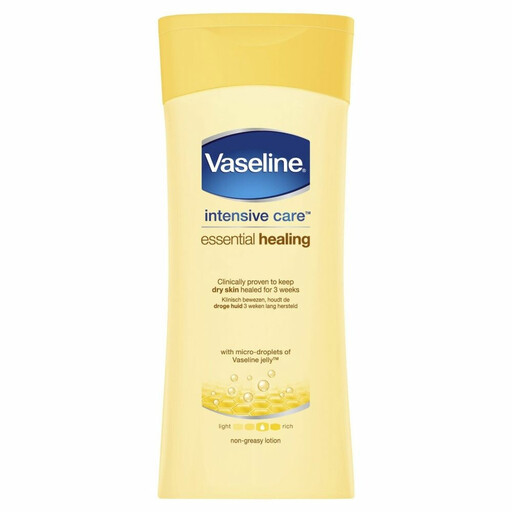
Why it suits this profile: A compact 200 ml bottle for anyone looking for a simple body lotion for everyday use. The product information lists glycerin, petrolatum and oat extract in the formula.
The ingredients list is provided, so you can check for perfume and individual fragrance ingredients beforehand. The lotion is not labelled as fragrance-free.
200 ml; glycerin and petrolatum in the formula; described as dermatologically tested in the product information.
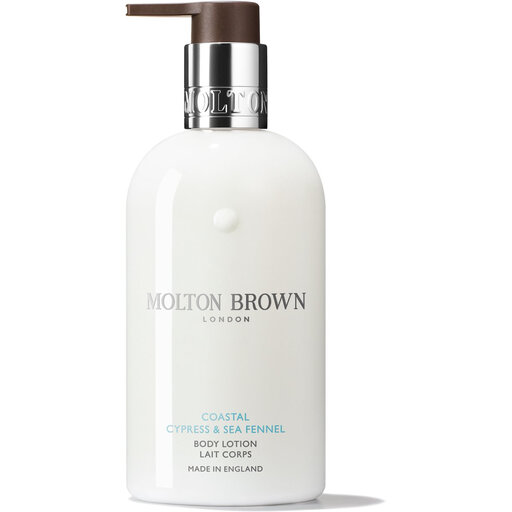
Why it suits this profile: For anyone who values a sensorial fragrance as well as body care, and appreciates a richer ingredients list featuring macadamia oil, shea butter and hyaluronic acid.
The fragrance components and ingredients are described in detail, so you don’t have to rely solely on a general claim such as “luxurious care”.
300 ml; unisex; described as vegan and dermatologically tested in the product information; contains perfume.
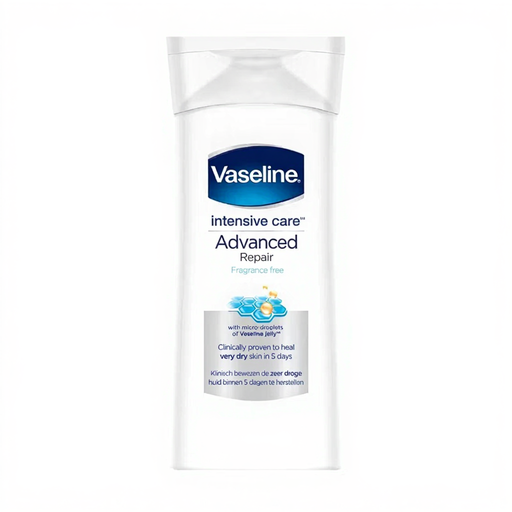
Why it suits this profile: Designed for consumers with very dry skin who want a fragrance-free body lotion in a larger pack. The stated size is 400 ml; check the bottle when it arrives.
The product information explicitly says “fragrance-free”, so you don’t have to rely on a vague description. Check the current ingredients on the packaging.
Stated size 400 ml; intended for very dry skin; glycerin, dimethicone and petrolatum in the ingredients list.
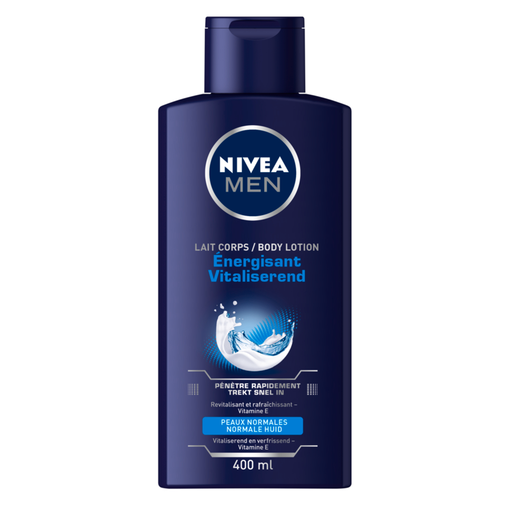
Why it suits this profile: A body lotion for men in a 400 ml bottle, with a formula that the product description says absorbs quickly and doesn’t feel sticky.
The instructions are clear: apply daily to clean skin and massage in until the lotion has absorbed. The formula contains perfume.
400 ml; glycerin and a vitamin E derivative in the formula; described by the brand as fast-absorbing.
We’ve put together a complete, up-to-date list of products that meet these strict selection criteria and current European safety requirements.
For many people, once a day works well, for example after showering on clean, slightly damp skin. If you have dry skin, you can apply extra lotion to your elbows, knees, shins and heels. Always follow the instructions on the packaging.
A body lotion usually has a light to medium-rich texture. A body cream is often richer and works well on areas that need extra care. Body milk can be light or rich, depending on the formula. The name alone doesn’t tell you how moisturising a product is; check the ingredients, skin type guidance and how it feels to use.
Check the expiry date or the period-after-opening symbol on the packaging. Store the bottle as directed, close it properly and look out for changes in smell, colour or texture. Stop using a product if it has clearly changed or causes irritation.
