
Vandaag of morgen in huis

Kwaliteit gegarandeerd

Welkomstaanbiedingen ontgrendelen: GRATIS bezorging | Tot 80% korting | Gratis 30 dagen JoyPlus-proefperiode
Download de app
A body lotion may seem like a simple product, but the difference between a pleasant daily care routine and a disappointing purchase often lies in the details. A lotion can absorb quickly, yet still not feel comfortable enough on dry skin. A product with a pleasant fragrance might be less suitable if your skin reacts easily. And a large bottle isn’t automatically good value if you don’t like the formula and therefore barely use it.
With this practical guide, you can focus on skin type, ingredients, fragrance, texture and when you’ll use it. This way, you can compare body lotion for dry skin, a hydrating body lotion, body milk and fragrance-free options based on verifiable product information.
Terms like “72-hour hydration”, “repair” or “soothing” sound clear, but they don’t tell you everything about your personal experience. Check who is making the claim and what it’s based on. For example, if “clinically proven” appears on a pack, that information usually comes from the brand’s own research. With NIVEA, the 72-hour claim is linked to a clinical test according to the product description. That’s no guarantee that every user will experience the same duration.
Aloe vera, hyaluronic acid and shea butter are well-known ingredients, but the full formula determines how a lotion feels. A body lotion with hyaluronic acid can be light and fast-absorbing, while a body lotion with shea butter feels richer. So also look at the ingredients list, fragrances and the balance of oils, glycerine, occlusive agents and water.
A fresh or warm scent can be a reason to enjoy using a product. However, perfume and fragrance allergens may be less suitable for sensitive skin. If you often experience redness, tightness or irritation, it’s better to start with a fragrance-free body lotion and first apply a small amount to a limited area of skin. Stop if irritation occurs and follow the warnings on the pack.
Glycerine helps retain moisture and is found in many hydrating formulas. Hyaluronic acid and sodium hyaluronate are used as moisture-binding ingredients. Shea butter, almond oil and coconut oil often give a richer skin feel. Petroleum jelly components, mineral oil and dimethicone can help limit moisture loss at the skin’s surface, depending on the full composition.
The position in the ingredients list gives a general indication of the amount, but doesn’t tell you exactly how the formula will feel on your skin. Also check whether perfume or fragrance allergens are listed.
A fast-absorbing body lotion is handy after a shower or when you need to get dressed quickly. A richer lotion may be more suitable for elbows, knees, shins and heels, but sometimes needs a little more time to absorb. Also pay attention to:

Why this fits the profile: A 400ml bottle and a light formula make this a practical choice for daily use on dry skin.
The product description explicitly mentions aloe vera, a fresh fragrance, fast absorption and a non-greasy texture. This makes the key usage characteristics clear upfront.
400 ml, with aloe vera, fast-absorbing according to the product information and intended for dry skin.
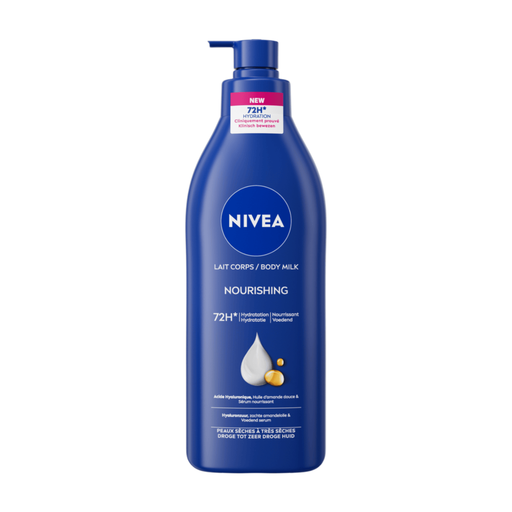
Why this fits the profile: Ideal for anyone looking for a nourishing body milk for dry to very dry skin, but without a heavy, sticky texture.
The formula lists hyaluronic acid, almond oil and a nourishing serum. According to NIVEA’s own information, hydration lasts up to 72 hours; check the pack for the current claim.
400 ml, with sodium hyaluronate and almond oil; described as light, non-greasy and fast-absorbing.
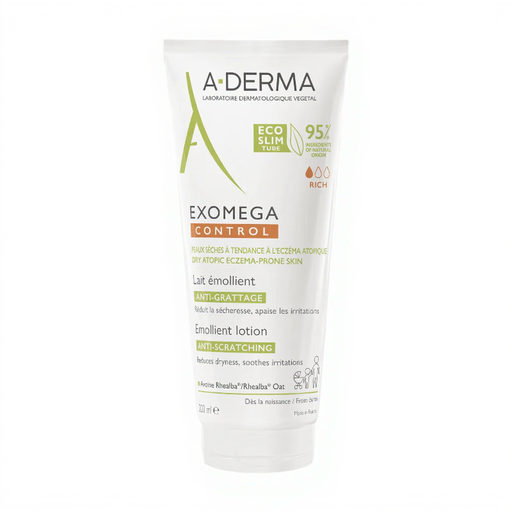
Why this fits the profile: The product information mentions use for dry, sensitive skin and for the whole family, from birth. The lotion is intended for face and body.
According to the manufacturer, the lotion is fragrance-free and tested by dermatologists and paediatricians. This makes the product information more transparent for those who want to avoid fragrances.
Fragrance-free, liquid non-greasy texture and suitable for face and body according to the product description.
We’ve put together a full, up-to-date list of products that fully meet these strict selection criteria and comply with current European safety regulations.
Daily use after a shower or bath is practical for many people. Pat the skin dry gently and apply the lotion while the skin still feels slightly damp. For extra dry areas, you can reapply according to the instructions for use.
Body milk is usually a term for a slightly richer body lotion, but there is no fixed legal boundary between the two terms. So look at the ingredients and texture. A body milk with almond oil, glycerine or shea butter can feel rich, while some variants still absorb quickly.
Preferably choose a formula with few fragrances and check the full ingredients list. A body lotion for sensitive skin is not automatically suitable for every user. First test a small amount and follow the warnings on the pack. For recurring or severe skin problems, it’s best to seek medical advice.
