
Vandaag of morgen in huis

Kwaliteit gegarandeerd

Welkomstaanbiedingen ontgrendelen: GRATIS bezorging | Tot 80% korting | Gratis 30 dagen JoyPlus-proefperiode
Download de app
A body lotion might seem like a simple product, but the differences lie in skin type, ingredients, fragrance, texture and size. A light body lotion can feel lovely after a shower, while a richer lotion is better suited to dry or very dry skin. For families, the price per 100 ml and a bottle that’s practical for daily use often matter too.
When comparing, don’t just look at words like “intensive”, “restorative” or “72-hour hydration”. These terms come from product marketing and should always be read alongside the ingredients, usage instructions and the skin type the lotion is intended for.
A brand may claim a hydration period of 48 or 72 hours. According to the brand’s own research or test data, this may have been established under certain conditions. It doesn’t automatically mean every user will go that long without needing to reapply. Showering, washing, cold weather and dry air can all affect how your skin feels.
A body lotion for sensitive skin isn’t always free of fragrance, alcohol or scent allergens. Always check the ingredients list. Look for clear information such as fragrance-free, without perfume or “no added fragrances”. Terms like “natural” also say very little on their own about how well a product will be tolerated.
A 200 ml bottle might seem cheaper than a 400 ml bottle, but the price per 100 ml gives you a fairer picture. A pump dispenser can also be easier to dose than a tube, while a richer lotion may require less product per application. So compare size, frequency of use and texture, not just the selling price.
For normal skin or daily use, a fast-absorbing body lotion can be enough. A body milk often has a liquid, light texture and is handy for large areas. A lotion for dry skin is usually richer and often contains glycerine, oils, silicones or occlusive ingredients that help lock in moisture.
For very dry skin, look for:
For a body lotion for sensitive skin, a short, clear ingredients list is often practical. Fragrance-free products like Vaseline Advanced Repair and MUJI Sensitive Skin Body Lotion can be interesting if you want to avoid scents. Always check the current packaging, as formulations can change.
Ingredients are listed in descending order by quantity. Glycerine, for example, appears high on the list for many products and works as a moisture-binding ingredient. Sodium hyaluronate is a form of hyaluronic acid you’ll find in NIVEA Caring Body Milk. According to NIVEA’s own product information, this formula is intended for dry to very dry skin and carries a hydration claim of up to 72 hours.
A body lotion with shea butter, such as Dove Pampering Care, can give a richer skin feel. A body lotion with aloe vera, like Vaseline Aloe Soothe, may suit those looking for a lighter lotion with a fresh scent. This describes the formula and positioning of the product; it’s not a guarantee of how your individual skin will react.
Fragrance is personal. Perfume, vanilla, patchouli and citrus can be pleasant, but aren’t always desirable for sensitive skin. If you want to get dressed straight away, choose a formula that the product description says absorbs quickly. Bear in mind that “fast-absorbing” can feel different depending on the amount used and your skin type.
A 400 ml bottle is handy for daily use by one person or a family. Smaller 200 ml or 250 ml bottles are good for trying something out first or for taking with you.
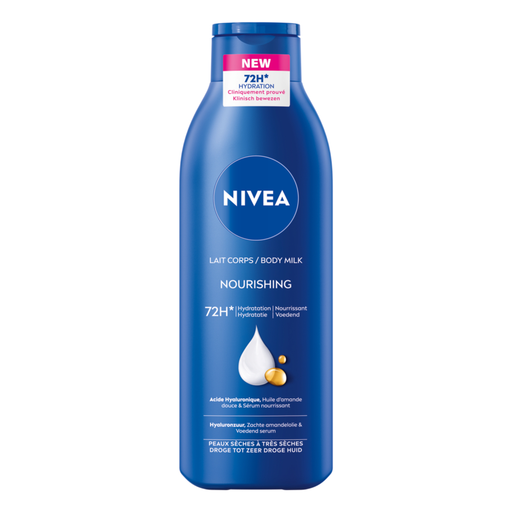
Why it fits this profile: An accessible body milk for anyone looking for a light texture and care for dry to very dry skin.
The product information clearly states the size, ingredients and target audience. The claim of up to 72 hours is, according to NIVEA’s own information, clinically tested in the manner described.
250 ml; contains sodium hyaluronate, almond oil and glycerine; described as non-greasy and fast-absorbing.

Why it fits this profile: Suits those who value a generous bottle, a body milk texture and a well-groomed daily routine.
The product description explicitly mentions the absorption speed and its use for dry and normal skin. The 48-hour claim should be seen as a brand claim, not a universal guarantee.
400 ml; body milk for the body; perfume is listed in the ingredients; intended for use in the morning and/or evening.
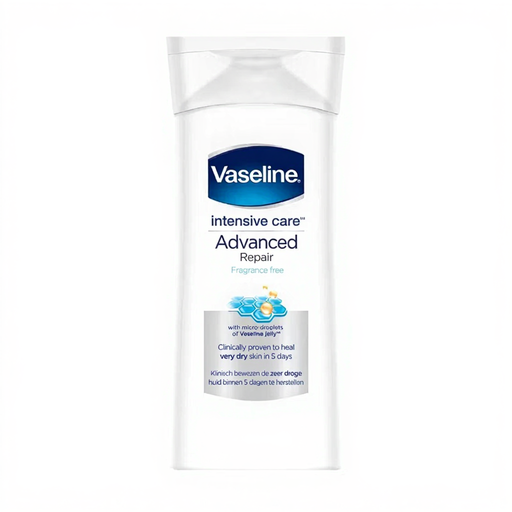
Why it fits this profile: A fragrance-free body lotion for anyone looking for a lotion for very dry skin without added scent.
The formula is listed as fragrance-free, so you don’t have to rely solely on a general term like “mild”. Check the packaging at the time of purchase.
Fragrance-free; 200 ml; contains glycerine, dimethicone, petrolatum and stearic acid; according to the product information, suitable for very dry skin.
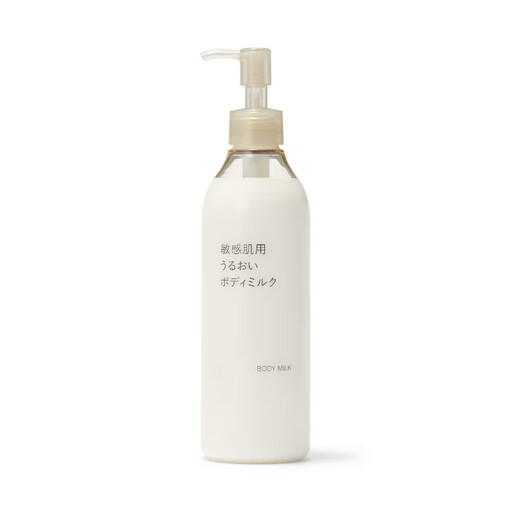
Why it fits this profile: Interesting for households looking to try a fragrance-free, colourant-free and alcohol-free body lotion.
The product information specifically states what hasn’t been added: no fragrance, colourants, mineral oil, parabens or alcohol. An allergy test does not rule out a personal reaction.
300 ml; contains ceramide and five types of amino acids according to the product description; mild, slightly acidic formula.
We’ve put together a full, up-to-date list of products that fully meet these strict selection criteria and comply with current European safety regulations.
That depends on your skin and the product. Many people apply a moisturising body lotion once a day after showering. If you have dry skin, you may need to reapply. Follow the usage instructions and stop if irritation occurs.
Yes, a body milk can be suitable for dry skin, but the texture is often lighter than that of a rich lotion or body cream. Look at ingredients such as glycerine, oils, hyaluronic acid or petroleum-like components, and choose a product that is explicitly offered for your skin type.
Check the expiry information and the period after opening on the packaging. Don’t use any lotion whose scent, colour or texture has clearly changed. Store the bottle closed, in a cool, dry place and avoid direct sunlight.
