
Vandaag of morgen in huis

Kwaliteit gegarandeerd

Welkomstaanbiedingen ontgrendelen: GRATIS bezorging | Tot 80% korting | Gratis 30 dagen JoyPlus-proefperiode
Download de app
Body lotion may seem like a simple product, but the difference between a pleasant everyday lotion and a disappointing purchase often comes down to the details. Think of fragrance on sensitive skin, a texture that feels too greasy or a small bottle that runs out quickly. Terms such as “72-hour hydration” and “natural ingredients” also do not automatically mean that a product is suitable for every skin type.
As a Joybuy Product Recommendation Officer, I filter product information according to practical points: skin type, ingredients, size, ease of use and clear warnings. This allows you to compare body lotions without relying solely on the packaging or marketing claims.
A brand may make a claim about, for example, 24, 48 or 72 hours of hydration. According to NIVEA’s own research, various lotions have been assessed in clinical or instrumental tests involving a limited number of volunteers. This is useful product information, but it does not guarantee that every user will experience hydration for the same length of time.
So look at the formula as well. Glycerine, hyaluronic acid, oils, butters and ingredients such as petrolatum can each play a different role in how the product feels on the skin and how easily it spreads.
A lotion for sensitive skin is not automatically free from fragrances. Check the ingredients list for Parfum and fragrance allergens such as linalool, limonene, citronellol or benzyl alcohol. If your skin reacts quickly to fragrance, it may be better to choose a fragrance-free body lotion and try a small amount first.
The claim “allergy tested” also does not mean that a reaction is impossible. MUJI, for example, states that individual users may still experience an allergic reaction.
A body cream or body milk containing oils and butters can feel soothing on dry areas, but it often feels richer than a fast-absorbing body lotion. For use after a morning shower, a pump bottle and a lightweight texture are practical choices. For elbows, knees and heels, a thicker cream may be more useful.
Hyaluronic acid is often listed as Sodium Hyaluronate in an ingredients list. NIVEA uses this ingredient in several products. According to NIVEA’s own research, the formulas mentioned support long-lasting hydration; personal results may vary.
Glycerine is found in many body-care products and helps the skin’s surface feel soft and supple. Urea is often chosen for dry skin, but it may sting on irritated or damaged skin. Stop using the product if irritation occurs and consult a doctor or pharmacist if skin problems persist.
A 400 ml bottle is practical for everyday use over the whole body. A 200 or 236 ml pack is easier to take with you, but may run out more quickly with frequent use. A pump can make dispensing easier and means you do not have to pick up the bottle every time.
Also check:
European cosmetic regulations require, among other things, information about ingredients, the responsible economic operator and usage warnings on the packaging. Check this information yourself before buying, particularly for products from an unknown source.
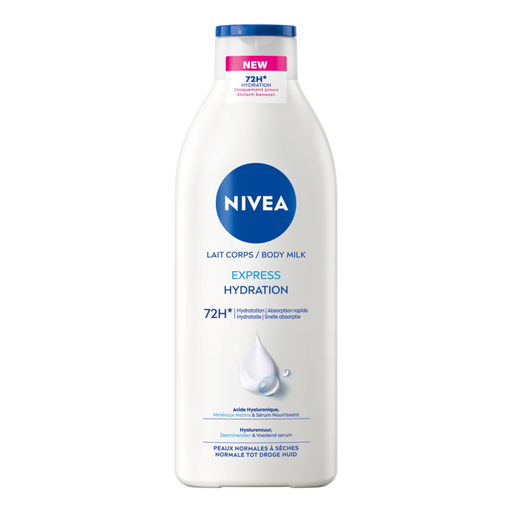
Why it suits this profile: The bottle contains 400 ml, and according to the product information, the lightweight formula is intended for normal to dry skin and everyday use.
The product information describes a non-greasy, fast-absorbing texture. However, do check the ingredients list for fragrance and named fragrance allergens.
400 ml, glycerine, Sodium Hyaluronate, sea minerals and a lightweight lotion texture.

Why it suits this profile: If you value a body milk with a refined texture and a generous size, this is an option for normal to dry skin.
The description mentions a fast-absorbing formula. However, the ingredients list contains fragrance, so check this if you are sensitive to scents.
400 ml, up to 48 hours of hydration according to the product information, and suitable for morning or evening use.
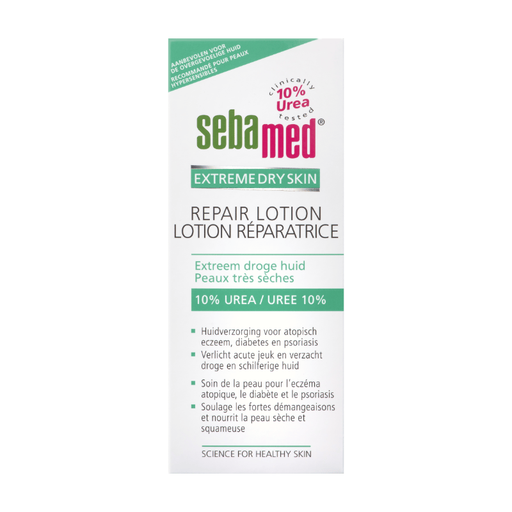
Why it suits this profile: This lotion is aimed at very dry areas of the body and, according to the product details, contains urea, glycerine and nourishing oils.
The formula has not been selected as a general fragranced lotion, but for dry areas of the body. The product information mentions fragrance, so take care if you have sensitive skin.
200 ml, urea in the formula and use on dry areas according to the instructions provided.
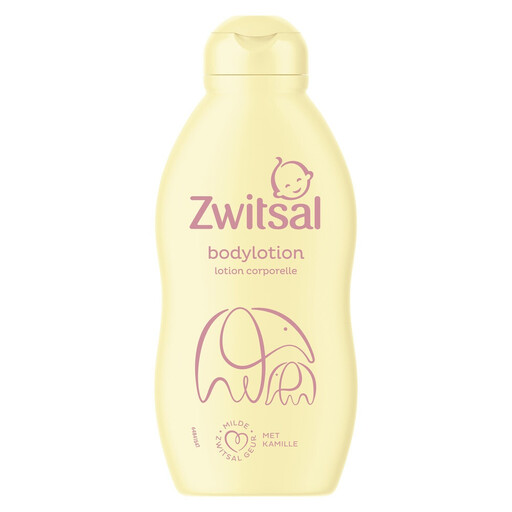
Why it suits this profile: The product information states that it is suitable for babies, contains no colourants and can be applied to clean, dry skin.
The target group and usage instructions are clearly stated. However, the lotion has Zwitsal’s characteristic fragrance; choose a fragrance-free option if that suits you better.
200 ml, intended for baby skin, dermatologically tested according to the product details and free from colourants.
We have put together a complete, up-to-date list of products that fully meet these strict selection criteria and the applicable European safety regulations.
Apply the lotion to clean skin, preferably after showering while the skin is still slightly damp. Spread the product evenly and pay extra attention to your shins, knees, elbows and heels. Do not automatically use more product simply because the packaging states a longer hydration duration.
If you have sensitive skin, test a small amount on a limited area first. Avoid contact with the eyes and stop using the product if irritation or a rash occurs. For babies, always follow the age guidance and usage instructions on the packaging.
That depends on your skin and the product. For normal or dry skin, daily use after showering is practical. Very dry areas may require repeated application as directed on the packaging.
Body lotion is usually lightweight and easy to spread. Body milk often has a more fluid texture, while body cream can be richer and thicker. The terminology is not identical everywhere, so focus mainly on the ingredients, skin type and absorption speed.
Hyaluronic acid can be found in formulas for normal, dry and sensitive skin, but the overall composition determines whether a product is suitable. Therefore, also check for fragrance, alcohol and other ingredients. For sensitive skin, a fragrance-free formula is often the more sensible starting point.
