
Vandaag of morgen in huis

Kwaliteit gegarandeerd

Welkomstaanbiedingen ontgrendelen: GRATIS bezorging | Tot 80% korting | Gratis 30 dagen JoyPlus-proefperiode
Download de app
Body lotion may seem like a simple product, but the differences between formulas, fragrances and textures can be significant. A lightweight lotion can feel pleasant after showering, while a rich body cream may be better suited to dry or rough skin. Marketing claims such as “intensive hydration”, “natural” or “firming” also deserve a critical look.
With this practical guide, focus on the qualities you can genuinely check: ingredients, skin type, texture, volume and usage warnings.
A fragranced body lotion may smell pleasant, but fragrance says little about its moisturising effect. Perfume and fragrance ingredients may also be less suitable for people who react quickly to cosmetics. Check the ingredients list and, if you have sensitive skin, consider choosing an unfragranced formula.
Words such as “natural”, “repairing” or “firming” are not automatically a guarantee of a particular result. According to a brand’s product information, ingredients such as glycerine, shea butter, plant oils or panthenol may contribute to a well-cared-for skin feel. That is different from a medical effect or a lasting change to the skin.
Look at the full INCI list on the packaging. It is generally shown in descending order of concentration. A certification mark, such as NATRUE on certain Weleda products, can provide additional information about the cosmetic standards used. However, always check the current packaging.
A 400 ml bottle may seem good value, but a thin lotion may require more product per use than a concentrated body cream. So compare the price per 100 ml and consider how often you use the lotion. A multipack is particularly practical when you use the product regularly, but remember to check its shelf life after opening.
For everyday use, a lightweight, fast-absorbing body lotion is convenient. It is suitable, for example, after a morning shower or when you want to get dressed quickly. A body cream usually has a fuller texture and may feel more comfortable on dry areas such as the knees, elbows and lower legs.
Look out for descriptions such as:
Plant oils, shea butter and glycerine are often used in products designed to leave skin feeling soft. The ingredients list for Kneipp Balancing Hydrating Body Lotion Patchouli includes almond oil, coconut oil, shea butter, hemp seed oil, vitamin E and panthenol. The formula also contains perfume and various fragrance ingredients, including limonene and linalool.
A natural body lotion is not automatically suitable for every skin type. Natural fragrances can also cause a reaction. Test a new product on a small area of skin first and stop using it if irritation occurs. Avoid contact with the eyes and follow the instructions on the packaging.
For a regular routine, 200 to 400 ml is often practical. Smaller packs are useful for travelling or trying a formula first. For products you use less often, check the 12M symbol or other information about the period after opening. The exact shelf life and batch information are shown on the packaging.
Ideally, apply body lotion to clean skin, for example after showering. Massage the product in gently and give your skin enough time to absorb the lotion. If you have very dry skin, you can use a rich body cream on specific areas and a lighter lotion on the rest of your body.
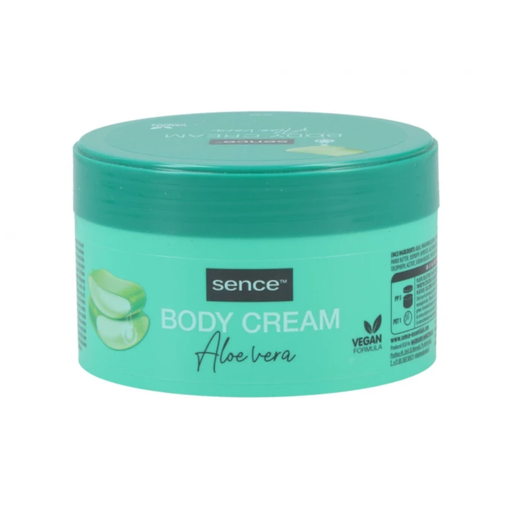
Why it suits this profile: The 200 ml pack is a manageable size for anyone who wants to try a body cream without immediately buying a large format. The product information mentions aloe vera and a fresh fragrance.
The compact size limits waste if the texture or fragrance does not suit you. Check the current ingredients list on the packaging.
200 ml volume, aloe vera variant and cream formula for body care.
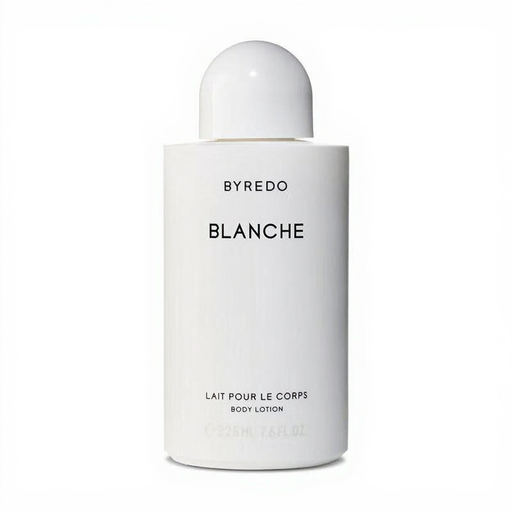
Why it suits this profile: This lotion combines body care with a distinctive fragrance profile featuring notes including white rose, sandalwood, neroli, pink pepper and musk.
The product description clearly states the fragrance character and size. Choose this option only if you are specifically looking for a fragranced body lotion.
225 ml volume, fast-absorbing formula according to the product description, and a floral-fresh fragrance profile.
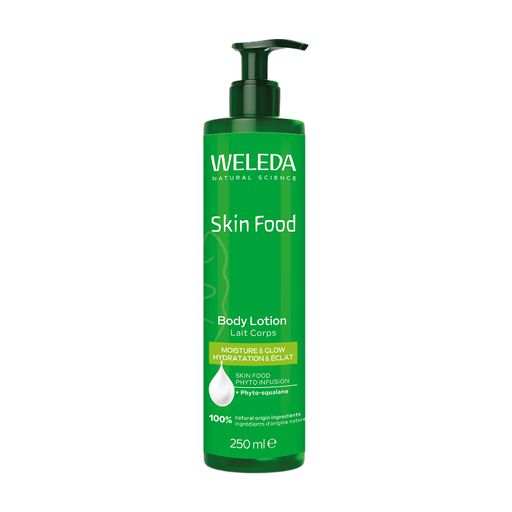
Why it suits this profile: According to Weleda, this rich lotion is designed for dry to very dry skin and contains ingredients including sunflower oil, shea butter, safflower oil, violet, chamomile and calendula.
The description states both the intended skin condition and the rich texture. This makes it easier to compare the lotion with a lightweight body lotion.
250 ml volume, natural ingredients according to the brand’s information, and designed for dry to very dry skin.
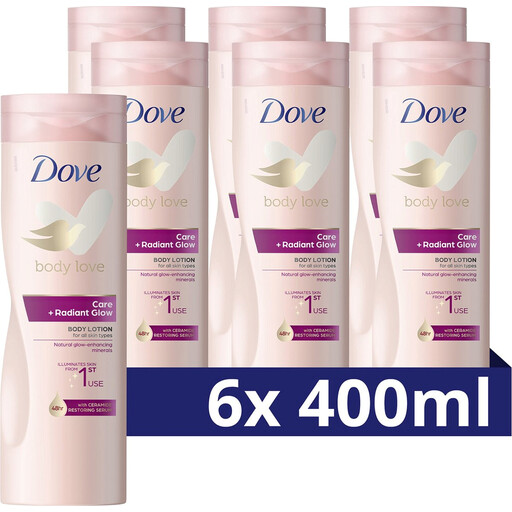
Why it suits this profile: The set contains six 400 ml packs, making it practical for everyday use by several people or for keeping a long-term supply.
A multipack only makes sense if you use the product regularly. Check the price per bottle and the shelf life after opening before stocking up.
Six 400 ml bottles, suitable for everyday use according to the product information.
We have put together a complete, up-to-date list of products that fully meet these strict selection criteria and the applicable European safety regulations.
For many people, once a day is enough, for example after showering. If you have dry skin, you can moisturise dry areas more often. The right frequency depends on how your skin feels, the formula and the advice on the packaging.
Not necessarily. Body cream is generally richer and often contains more emollient ingredients, while body lotion can feel lighter and absorb more quickly. Compare the texture and ingredients. For dry skin, a rich cream may feel pleasant on rough areas, while lotion can still be suitable for everyday use on larger areas of the body.
This varies from product to product. Look for the open-jar symbol, such as 12M, and check the shelf-life information on the packaging. Store the bottle in a cool, dry place, close the cap properly and stop using the product if its fragrance, colour or texture changes noticeably.
