
Vandaag of morgen in huis

Kwaliteit gegarandeerd

Welkomstaanbiedingen ontgrendelen: GRATIS bezorging | Tot 80% korting | Gratis 30 dagen JoyPlus-proefperiode
Download de app
A body lotion might seem like a simple product, but the difference between formulas is significant. A body lotion for dry skin should feel completely different from a light lotion for normal skin. For sensitive or eczema-prone skin, fragrances, alcohol and the formula’s composition play a much bigger role.
Marketing claims can also be confusing. A product might be described as “intensely nourishing” or “72-hour hydrating”, when your skin really just needs a formula you’ll enjoy using every day. These selection criteria will help you compare body lotions on practical features, rather than just packaging or promises.
A luxurious body lotion with perfume may smell lovely, but fragrance says very little about its moisturising properties. Perfume and fragrance allergens are usually listed in the ingredients. If you’re looking for a fragrance-free body lotion, don’t just rely on terms like “mild” or “natural” – check the list.
Brands may communicate a certain hydration duration based on their own research or a clinical assessment. According to NIVEA’s own information, Nourishing Body Milk hydrates the skin for up to 72 hours; that doesn’t mean every user will have the same experience. How you apply the lotion, your skin’s condition and the weather all play a part.
A nourishing body lotion with oils, shea butter or an occlusive layer can be lovely for very dry skin. However, a heavy texture may be less suitable if you want to get dressed straight after your shower. A fast-absorbing body lotion or body milk is more practical in that case. The best formula on paper isn’t automatically the one you’ll use consistently.
Ingredients such as hyaluronic acid are said, according to product descriptions, to help attract and retain moisture. A body lotion with hyaluronic acid can therefore be interesting if your skin feels tight, but the effect varies between formulas and skin types.
Look at the INCI list on the packaging. Glycerine, sodium hyaluronate, ceramides, panthenol and various oils are common in moisturising or nourishing formulas. Also watch out for perfume and fragrance allergens such as limonene, linalool and geraniol.
“Hypoallergenic”, “dermatologically tested” or “natural” are no guarantee that a product is suitable for everyone. According to MUJI’s product information, the Sensitive Skin Body Lotion contains three plant extracts, ceramide and five amino acids, and the formula is free from fragrance, colourants, mineral oil, parabens and alcohol. The description also notes that an allergic reaction in individual users remains possible.
The most common sizes in this selection are body lotion 200 ml, body lotion 300 ml and body lotion 400 ml. A 400 ml bottle is practical for daily use by several family members, while 200 ml can be handier for a smaller routine or for taking with you.
Don’t just compare the price per bottle – also compare the price per 100 ml. A pump bottle can also be easier to dispense than a wide pot. After opening, check the symbol (e.g. 12M) and follow the shelf-life information on the packaging.
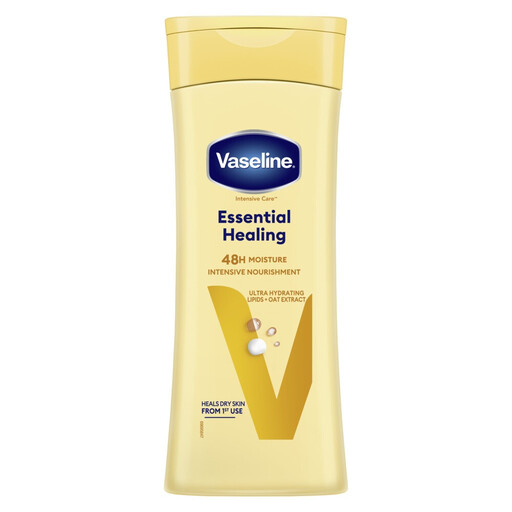
Why it fits this profile: The 400 ml size is suitable for daily use and the product description targets dry skin. According to Vaseline’s own information, the lotion absorbs quickly and provides non-greasy hydration for up to 48 hours.
The lotion is marketed as fast-absorbing and non-greasy, so you’re less likely to buy a rich formula that feels impractical for daily use. Do check the ingredients list: it includes perfume and several fragrance allergens.
400 ml size; oat extract, glycerine and petrolatum appear in the stated ingredients list; designed for dry skin.
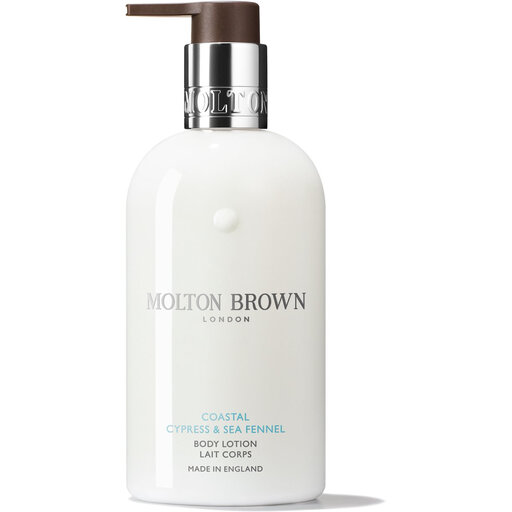
Why it fits this profile: This 300 ml body lotion combines nourishing ingredients such as glycerine, macadamia oil, shea butter and sodium hyaluronate with a clearly described fragrance profile.
The scent is described concretely with top, heart and base notes. This helps you judge whether this fragranced lotion suits you, rather than relying on a luxurious appearance alone.
300 ml; contains glycerine, shea butter, plant oils and sodium hyaluronate; according to the product information, vegan and paraben-free.
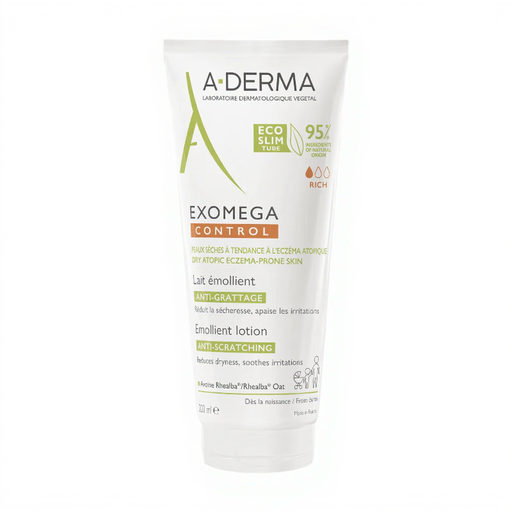
Why it fits this profile: The product information mentions dry skin prone to atopic eczema, a fragrance-free formula and use on face and body. This makes the lotion relevant for households with specific skincare needs.
According to the product description, the formula is fragrance-free and has a liquid, non-sticky texture. If you have sensitive skin, always check the current packaging and stop use if irritation occurs.
200 ml; fragrance-free according to the product information; contains oat extract, ceramides, vitamin B3 and evening primrose oil.
Apply body lotion to clean skin, ideally shortly after showering while your skin is still slightly damp. Gently spread the lotion over your arms, legs and torso, and give a richer formula time to absorb. Don’t automatically use more product: a thin, even layer is often more comfortable than a thick one.
When trying a new body lotion for sensitive skin, first apply a small amount to a limited area of skin. If you experience redness, itching or a burning sensation, stop using it and, if necessary, seek advice from a doctor or pharmacist.
We’ve put together a full, up-to-date list of products that fully meet these strict selection criteria and comply with current European safety regulations.
It depends on your skin and the season. For dry skin, daily use after showering can be practical. In winter or when the air indoors is dry, you may need to reapply. Always follow the usage instructions on the label.
Check the expiry date and the symbol for the period after opening. A product marked with, for example, 12M is generally intended for use within twelve months of opening, provided it is stored correctly. If the scent, colour or texture changes, check the label and do not use the product if in doubt.
The terms aren’t always used consistently. Body milk often refers to a thinner, easily spreadable texture, while body lotion can be either light or rich. So it’s best to look at the ingredients, the skin type indication and the description of the specific product.
