
Vandaag of morgen in huis

Kwaliteit gegarandeerd

Welkomstaanbiedingen ontgrendelen: GRATIS bezorging | Tot 80% korting | Gratis 30 dagen JoyPlus-proefperiode
Download de app
Dry skin can feel tight, become rough and often needs re-moisturising after a shower. However, not every body lotion for dry skin is the same choice. A light lotion can absorb quickly and feel pleasant, while a richer body cream is better suited to very dry areas such as knees, elbows and heels.
As a Joybuy Product Recommendation Officer, I filter product information on verifiable points. This way, you avoid relying solely on terms like “intensive”, “72 hours” or “natural”.
Brands sometimes claim 48 or 72 hours of hydration. That may be based on a specific test. According to NIVEA, the 72-hour claim, for example, comes from an instrumental test with 42 or 45 volunteers, depending on the product. Such a result gives information about the test setup, but it doesn’t predict exactly how your skin will react.
So also look at the ingredients list, the texture and the recommended use. A body lotion for daily use needs to be pleasant enough for you to apply it consistently.
Always check whether “fragrance” or fragrance allergens appear in the ingredients list. According to the product information, NIVEA Repair & Care Sensitive Body Lotion is fragrance-free and contains glycerine, panthenol and vitamin E. Other lotions for dry skin do contain fragrance, even when they include nourishing ingredients like shea butter or aloe vera.
For sensitive skin, a fragrance-free body lotion is often a more logical starting point. Stop using it if irritation occurs, and ask a doctor or pharmacist for advice if skin problems persist.
A rich body cream can be suitable for very dry patches, but it’s less practical when you want to get dressed quickly. A fast-absorbing body lotion or body milk fits better into a morning routine. A thicker formula can be more pleasant in the evening or on rough areas of the body.
The order of ingredients is useful for comparison, but it doesn’t independently tell you how a product will feel on your skin. It’s best to test a small amount on a limited area of skin first.
A body milk is often more liquid and easy to spread over large areas. A lotion usually sits somewhere between a milk and a cream. A body cream is generally thicker in texture and suitable for extra dry areas. These names are not fully standardised, so look mainly at the product description and ingredients.
A 400 ml bottle is practical for daily use all over the body. A 200 or 250 ml pack can be more convenient for a specific area, for travel, or when you want to try it out first. A pump dispenser, like the one on NIVEA Express Body Lotion, can make application after a shower easier.
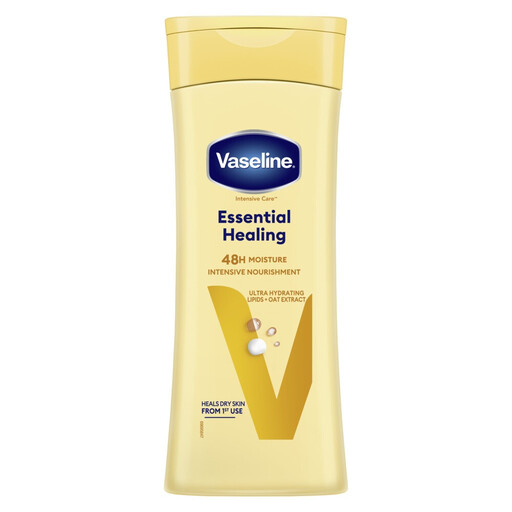
Why this fits the profile: A generous pack for daily use, with glycerine, petrolatum and oat extract according to the product information.
The ingredients list makes it clear which humectants and emollients are present. However, note that the list mentions fragrance, despite the product detail stating “unscented”. So check the packaging.
400 ml content, described as fast-absorbing and intended for dry, rough skin.

Why this fits the profile: Aimed at users who value a light body milk, a nourishing scent and a comfortable application routine.
The description mentions a fast-absorbing formula. Do check that fragrance suits your preference, as fragrance is listed in the ingredients.
400 ml, with glycerine and dimethicone; according to Clarins, the body milk offers up to 48 hours of hydration.
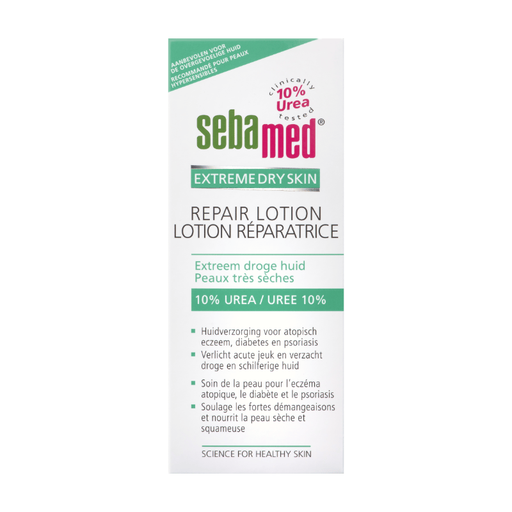
Why this fits the profile: A targeted choice for adults looking for a lotion with 10% urea for dry areas of the body.
The percentage of urea is clearly stated in the product name, so you don’t have to rely on a general claim like “intensive”.
Apply a hydrating body lotion to clean, slightly damp skin, for example after a shower. Spread the lotion evenly and pay extra attention to your lower legs, knees, elbows and heels. With a richer formula, wait until it has been absorbed enough before getting dressed.
Use a new product on a small area of skin first. For children, check the age indication and warnings on the packaging. For sensitive skin, you could consider a fragrance-free formula alongside MUJI Sensitive Skin Body Lotion or A-DERMA Exomega Control, but always check the current packaging and full ingredients list.
We have put together a full, up-to-date list of products that fully meet these strict selection criteria and comply with current European safety regulations.
For many people, applying it daily works well, especially after a shower. Very dry areas may need reapplication. Follow the usage instructions on the label and adjust the amount to your skin and routine.
A body lotion or body milk is usually easier to spread all over the body. A body cream often has a richer texture and can be more suitable for localised very dry skin. The right choice depends on the desired absorption, ingredients and time of use.
A body lotion with hyaluronic acid can be of interest if you are looking for a formula with this ingredient. NIVEA Caring Body Milk and NIVEA Express Body Lotion list sodium hyaluronate in their ingredients. Also check the rest of the formula, fragrances and skin tolerance.
