
Vandaag of morgen in huis

Kwaliteit gegarandeerd

Welkomstaanbiedingen ontgrendelen: GRATIS bezorging | Tot 80% korting | Gratis 30 dagen JoyPlus-proefperiode
Download de app
Buying a body lotion for dry skin seems straightforward, until you have to choose between a moisturising body lotion, a rich body cream, a lotion with aloe vera or a formula containing urea. Marketing copy often highlights soft skin, long-lasting hydration or fast results. But a bold claim doesn’t always tell you whether a product is right for your skin or daily routine.
Look out for these common pitfalls:
A lotion is usually more fluid and spreads easily over larger areas of the body. A fast-absorbing body lotion can be handy after a shower or when you’re short on time. Products described as non-greasy tend to feel lighter, but check the directions for use too: some brands still recommend waiting until the product has fully absorbed.
A body milk or nourishing body cream is often a better choice for rough areas such as knees, elbows, hands and feet. A richer texture can be more practical there than a light lotion.
Glycerine is a commonly used moisturising ingredient. Petroleum jelly, petrolatum, dimethicone and certain oils can help leave skin feeling protected or soothed. This doesn’t mean every ingredient works the same way for everyone.
If you’re looking for a body lotion with urea, check that urea is clearly listed in the INCI ingredients. Urea is often used in products for dry and rough skin. The concentration matters, so it’s best to check the packaging or official product information directly.
A formula with aloe vera, such as a body lotion with aloe vera, may appeal if you’re looking for a lighter lotion with a fresh scent. According to Vaseline’s product description, the Aloe Soothe formula is enriched with aloe vera and Vaseline micro-droplets. Treat this as information from the brand, and check the full ingredients list too.
A fresh or sweet scent is a matter of personal preference, not proof of better skincare. Products may contain perfume and separately listed fragrance allergens. For example, Vaseline Essential Healing 200 ml lists several fragrance allergens in its product information. Vaseline Advanced Repair, which is fragrance-free, may therefore make more sense if you want to avoid fragrance.
Check the size too. A 400 ml pack is practical for daily use all over the body, while a 75 ml tube is better suited to targeted care for your heels or carrying in a bag.
Claims such as “dermatologically tested” describe a test or assessment, but don’t guarantee that a product will suit everyone. Stop using it if irritation occurs, and always follow the directions on the packaging.

Why it suits this profile: The 400 ml pack is suitable for daily use on larger areas of the body. Its light texture makes it a good fit if you’re looking for a straightforward moisturising body lotion.
The product description says it’s a fast-absorbing, non-greasy lotion. If you prefer to limit perfume, check the fragrance and ingredients information too.
400 ml; aloe vera mentioned in the product description; a light formula that absorbs quickly, according to the brand.
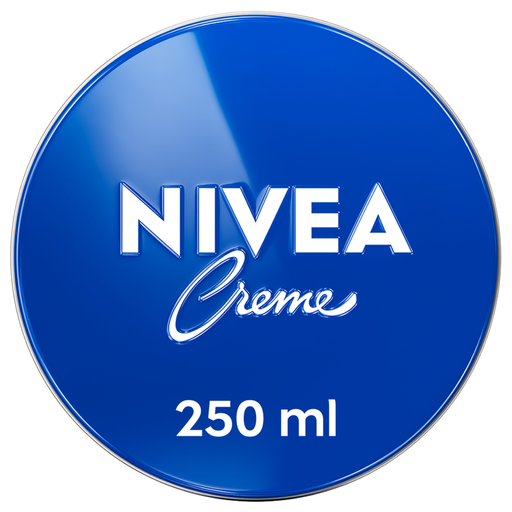
Why it suits this profile: This rich cream is designed for the face, hands and body. It’s a good choice if you want one product for dry areas such as your hands, feet, elbows and heels.
The product information clearly describes it as a rich cream. So don’t expect it to absorb as lightly as a body lotion.
250 ml; suitable for all skin types according to the product information; designed for very dry areas and daily use.
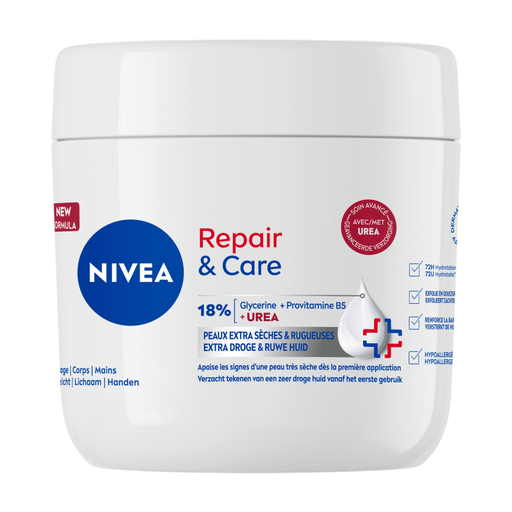
Why it suits this profile: According to the product information, the formula contains glycerine, provitamin B5 and urea. This makes it a good option if you’re looking for a body lotion for very dry skin and rough areas of the body.
The ingredients are clearly listed, so you don’t have to rely on a general claim such as “intensive”. Check the current packaging for the exact formula.
400 ml; formula lists urea and glycerine; described as being for very dry and rough skin.
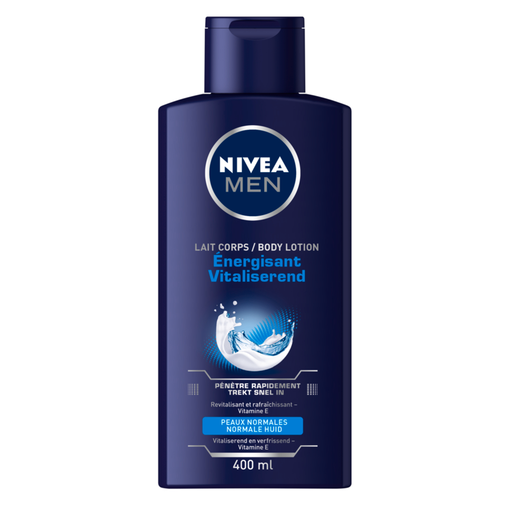
Why it suits this profile: This body lotion for men is designed for daily use and, according to the product description, has a light texture that absorbs quickly.
The product description spells out how to use it: apply to clean skin and massage in until absorbed.
400 ml; glycerine and vitamin E listed; 24-hour hydration and a non-sticky texture, according to the brand.
We’ve put together a complete, up-to-date list of products that meet these strict selection criteria and the applicable European safety regulations.
Apply a moisturising body lotion to clean skin, ideally after a shower. Pat your skin dry rather than rubbing it hard, and use enough product on dry areas. A light lotion works well on your arms, legs and torso. Use a richer body cream on dry heels, hands, knees and elbows.
If a product contains perfume or active ingredients, it’s sensible to start with a small amount and follow the directions on the packaging. If irritation or skin problems persist, stop using the product and seek professional advice.
Look for a richer formula with ingredients such as glycerine, urea, petrolatum, dimethicone or nourishing oils. According to the product information, NIVEA Repair & Care Urea Body Cream is designed for very dry and rough skin. Always check the current ingredients list and directions for use.
It depends on your skin and the product. Many lotions are designed for daily use, for example after a shower. You may need to reapply to very dry areas. Follow the instructions on the packaging and pay attention to how your skin responds.
Body lotion is generally lighter and easier to spread over large areas. Body cream is usually richer and better suited to specific dry areas. If you want to get dressed quickly, a fast-absorbing body lotion may be the better choice; for heels and elbows, a rich cream can be more practical.
