
Vandaag of morgen in huis

Kwaliteit gegarandeerd

Welkomstaanbiedingen ontgrendelen: GRATIS bezorging | Tot 80% korting | Gratis 30 dagen JoyPlus-proefperiode
Download de app
A body lotion for dry and sensitive skin needs to do more than just smell nice or absorb quickly. If you experience tightness, flakiness or a skin that reacts easily, you’ll want to focus on the ingredients, fragrance and texture. Yet product claims aren’t always as straightforward as they seem.
A few common pitfalls to watch out for:
For sensitive or irritated skin, a fragrance-free body lotion is often a sensible first choice. Don’t just look at the words on the front of the packaging – check the ingredients list too. Does it say “Parfum”, “Fragrance” or list individual fragrance allergens such as limonene, linalool or citronellol? If so, the product is not fragrance-free.
Scented products aren’t necessarily unsuitable, but they’re less ideal if you’re deliberately trying to avoid fragrance ingredients. This applies, for example, to various lotions with vanilla, patchouli or a floral scent.
A body lotion with glycerine and panthenol can be a good choice for daily use. Glycerine helps to attract and retain moisture in the upper layer of the skin. Panthenol is often used in skincare formulas to give a comfortable skin feel.
Ingredients such as shea butter, plant oils, ceramides, hyaluronic acid and vitamin E are also common. Their function varies depending on the formula, so it’s best to assess the product as a whole rather than focusing on one popular ingredient in isolation.
For a lotion for dry skin, the position of ingredients on the list is also useful: ingredients listed early are generally present in higher amounts than those listed towards the end.
A light lotion usually absorbs more quickly and is ideal for larger areas of the body. A richer cream may be better suited to rough areas such as knees, elbows and lower legs. Also consider the format:
A product that feels pleasant to use is one you’ll stick with more consistently – and that matters more than a long list of marketing claims.
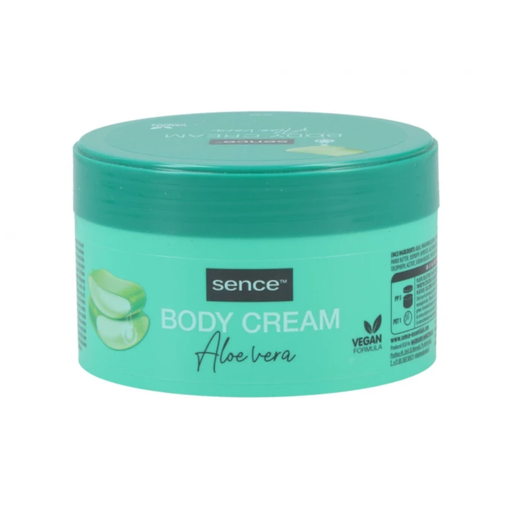
Why this fits the profile: A compact size to try out a hydrating body lotion first without committing to a large tub. The product description mentions aloe vera and a refreshing scent.
The description clearly states the presence of fragrance. This means you can consciously skip this product if you want to avoid perfume.
200 ml; aloe vera is mentioned in the product information; a low-barrier introduction to body cream.
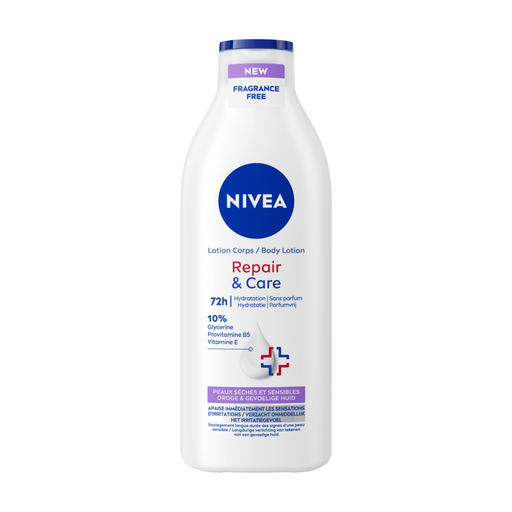
Why this fits the profile: An option for adults looking for a fragrance-free body lotion with a light, non-greasy texture for daily use.
The formula is described as fragrance-free and the product information mentions 10% glycerine, provitamin B5 and vitamin E. Always check the current packaging.
400 ml; fragrance-free formula; according to NIVEA’s own research, up to 72 hours of hydration, based on an instrumental test with 45 volunteers.
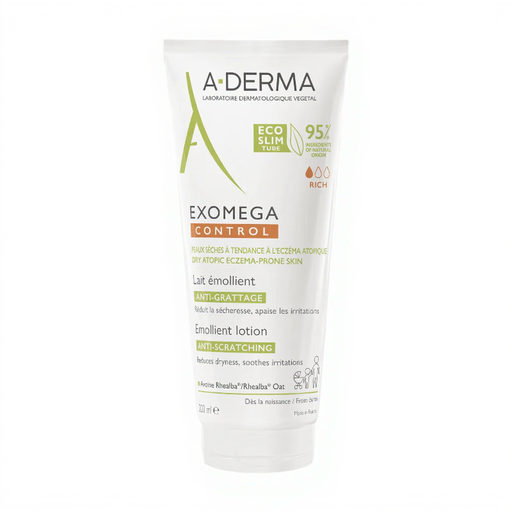
Why this fits the profile: Aimed at users who want a fragrance-free lotion for dry, reactive skin and prefer a fluid, fast-absorbing texture.
The product description states no fragrance and mentions a non-sticky, non-greasy texture. This makes the choice clearer than with products that only carry a general comfort claim.
200 ml; fragrance-free according to the product information; suitable for face and body according to the description; contains Rhealba oat extract and vitamin B3.
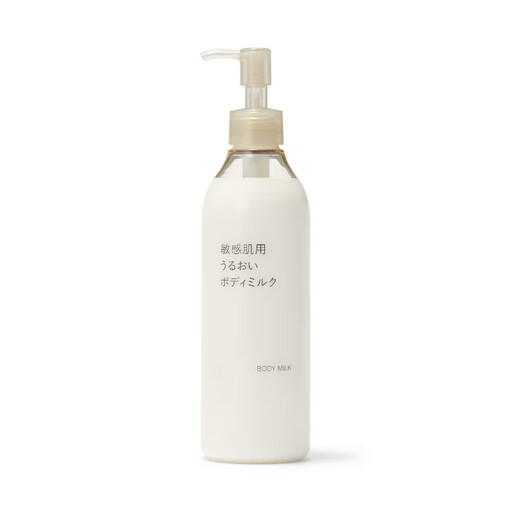
Why this fits the profile: For those who want a simple formula without fragrance, colourants, mineral oil, parabens or alcohol.
The product information explicitly lists several things that are absent. This makes it easier to compare the formula with other fragrance-free options.
300 ml; ceramide and five types of amino acids are listed as nourishing ingredients; no fragrance according to the product description.
We’ve put together a full, up-to-date list of products that fully meet these strict selection criteria and comply with current European safety regulations.
Apply the lotion to clean skin, ideally shortly after showering while your skin is still slightly damp. Gently spread the body lotion over your arms, legs, torso and any extra dry areas. Use a smaller amount per body part rather than one large blob all at once – this helps with even distribution and prevents a sticky feeling.
Test a new product on a small area of skin first. Stop using it if you experience redness, swelling, noticeable irritation or a burning sensation. If skin problems persist or are severe, it’s wiser to seek advice from a doctor or pharmacist than to keep trying different body lotions.
Start by looking for a fragrance-free body lotion with a short, easy-to-understand ingredients list. Products such as NIVEA Repair & Care Sensitive, A-DERMA EXOMEGA CONTROL and MUJI Sensitive Skin Body Lotion do not list fragrance in the product information provided. That doesn’t predict how your own skin will react, so try it carefully and follow the instructions for use.
Glycerine and panthenol are commonly used ingredients in hydrating skincare products. NIVEA Repair & Care Sensitive lists both in its formula. Daily use is generally the intended purpose of such lotions, but always check the label and stop if irritation occurs.
Check the expiry date, the batch number and the symbol for the period after opening on the packaging. Close the bottle or pot after use and store the product in a cool, dry place away from direct sunlight. If the scent, colour or texture changes, do not use it any longer.
