
Vandaag of morgen in huis

Kwaliteit gegarandeerd

Welkomstaanbiedingen ontgrendelen: GRATIS bezorging | Tot 80% korting | Gratis 30 dagen JoyPlus-proefperiode
Download de app
The body lotion aisle can be overwhelming. Dozens of bottles promise silky-smooth, hydrated, or firmer skin. But how often have you bought a bottle that felt sticky, wasn't hydrating enough, or simply didn't deliver on its promises?
As the Head of Product Recommendations at Joybuy, I see which products are popular every day, but also what consumers struggle with. Before you choose a new body lotion, it's helpful to know the most common pitfalls. This way, you can avoid a bad purchase and invest in a product that truly suits you.
To make the right choice, it's useful to look beyond the marketing and focus on a few objective criteria.
The structure of the lotion determines how it feels and performs.
Ingredients determine the function of the lotion.
A body lotion with a pump is not only convenient but also more hygienic, as you don't have to dip your fingers into the product. The size of the packaging (e.g., 250 ml for on-the-go or 400 ml for home use) can also play a role in your choice.
Below are some popular choices, matched to specific needs and user profiles.
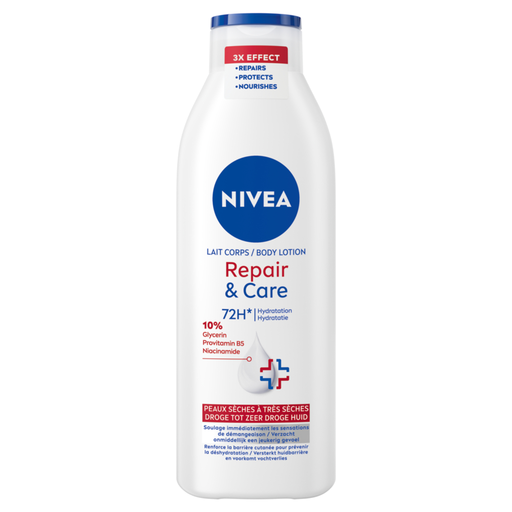
Why This Fits Their Persona: Ideal for those who suffer from tight, itchy, and very dry skin. This lotion is focused on providing immediate comfort and long-term barrier repair, without leaving a heavy or sticky feeling.
This lotion goes beyond a vague hydration claim. Its formula contains specific, active ingredients like 10% glycerin, niacinamide, and provitamin B5, which are proven to support the skin barrier.
According to NIVEA, it provides immediate relief from itchiness and strengthens the skin barrier to prevent moisture loss. The formula is fast-absorbing and non-greasy.
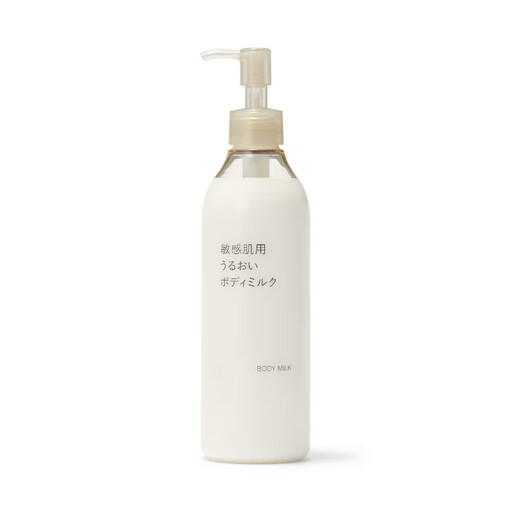
Why This Fits Their Persona: Perfect for those who prefer a 'less is more' approach. This lotion is specially formulated for sensitive skin that reacts quickly to unnecessary additives, offering pure, effective hydration.
This product sidesteps the 'natural' trap by focusing on what it *doesn't* contain. The formula is free from fragrance, dyes, mineral oil, parabens, and alcohol—the most common irritants.
A hypoallergenic formula with ceramides and amino acids to support the moisture balance of sensitive skin. Its mild, slightly acidic composition respects the skin's natural pH.
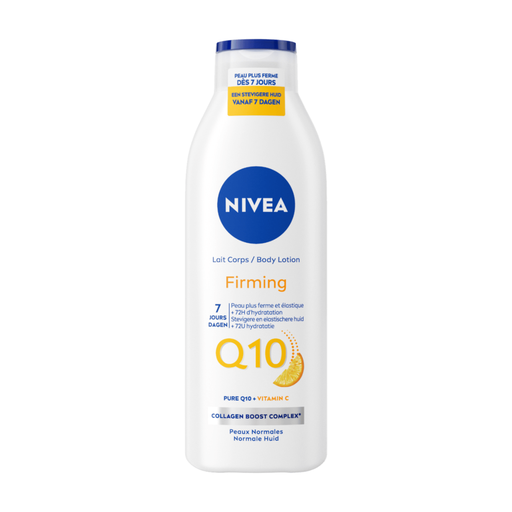
Why This Fits Their Persona: For those who expect more from a body lotion than just hydration. This lotion is aimed at improving skin elasticity and maintaining firm, supple skin with daily use.
The firming claim is substantiated by a reference to an instrumental test. This is transparent and manages expectations: it's a result under test conditions, not an absolute guarantee.
The formula combines two well-known ingredients for skin firming: coenzyme Q10 and vitamin C. The lotion absorbs quickly without leaving a sticky residue.
We have compiled a complete, up-to-date list of products that meet these strict selection criteria and comply with local regulations.
The main difference is the ratio of water to oil, which determines the texture and richness.
For optimal results, it is recommended to use body lotion daily. The best time is right after showering or bathing, when the skin is still slightly damp. This helps to "lock in" moisture, making hydration more effective.
It's generally not recommended. The skin on your body is thicker and less sensitive than the skin on your face. Body lotions are often richer and may contain fragrances or other ingredients that can clog pores or cause irritation on your face. Always use a product specifically designed for your face.
