
Vandaag of morgen in huis

Kwaliteit gegarandeerd

Welkomstaanbiedingen ontgrendelen: GRATIS bezorging | Tot 80% korting | Gratis 30 dagen JoyPlus-proefperiode
Download de app
Body lotion may seem like a simple purchase, but there can be a big difference between products. One lotion absorbs quickly and has a light fragrance, while another body cream feels richer and is better suited to dry skin. Claims such as “intense hydration”, “radiant skin” or “suitable for all skin types” only really mean something when you check the ingredients, volume and usage information.
As a Joybuy Product Recommendation Officer, I filter marketing language down to practical product information. This helps you compare body lotions based on the factors that really matter for everyday use in the Netherlands.
A fragranced body lotion can feel pleasant after showering, but perfume does not automatically contribute to hydration. Fragrance ingredients such as limonene, linalool, geraniol and citronellol may also be unsuitable for people who react quickly to fragranced products. Always check the ingredients list and, if you have sensitive skin, consider choosing an unperfumed formula.
A luxury body lotion or body cream can feel comfortable, but a very rich texture may take longer to absorb. As a result, you may use the product less often. If you want to get dressed quickly, look for a fast-absorbing body lotion with a light or non-greasy formula.
Words such as “glow”, “repairing”, “firmer” or “rejuvenating” are no substitute for verifiable specifications. According to Dove’s own research, for example, Care & Glow provides up to 48 hours of hydration. This is a brand claim; individual experiences may vary. With products containing fruit acids, vitamin C or botanical oils, it is particularly sensible to focus on the ingredients and safety instructions.
A moisturising body lotion often contains glycerine, an ingredient that helps retain water on the surface of the skin. Oils, fatty alcohols, dimethicone and butters such as shea butter can leave the skin feeling supple. A formula with body lotion with shea butter is worth considering for dry areas such as elbows, knees and heels.
Also pay attention to the order of the ingredients. Ingredients listed at the beginning are generally present in greater quantities than those at the end of the list. This does not provide a complete picture of how the product works, but it can help when comparing formulas.
“Suitable for all skin types” does not mean that every skin type has the same needs. A body lotion for all skin types can be practical for normal everyday use, while dry skin may benefit more from a richer body cream. For sensitive skin, a short ingredients list and limited fragrance are often sensible points to consider.
A vegan body lotion is not automatically fragrance-free or suitable for sensitive skin. Check the vegan claim, fragrance ingredients and warnings on the packaging separately. Product claims such as vegan, dermatologically tested or paraben-free are based on the product information available from the brand or manufacturer.
Do not compare only the price of a bottle or jar; consider the volume as well. A 400 ml pack may offer better value for everyday use, while 200 to 240 ml is more convenient to take with you or try first. Also check the period after opening, for example the 12M symbol, and follow the storage instructions.
Ideally, apply body lotion to clean, dry skin or shortly after showering. Massage the lotion in gently and, with a rich formula, wait until the product has been sufficiently absorbed before getting dressed. If you have sensitive skin, first test a small amount on a limited area. Stop using the product if irritation occurs and avoid contact with the eyes.
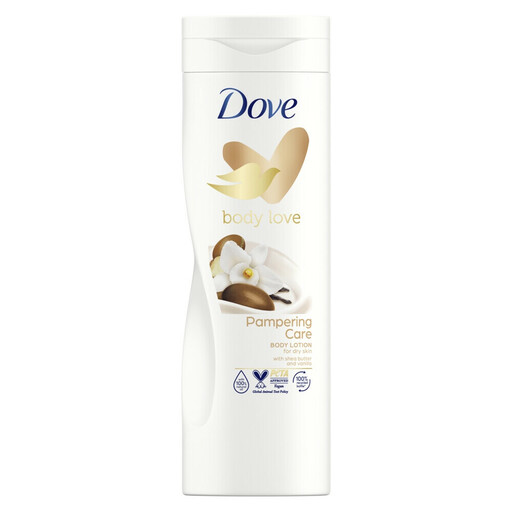
Why it suits this profile: The 400 ml volume is practical for everyday use, and the product information mentions shea butter, vanilla fragrance and suitability for all skin types.
The choice is not based on fragrance alone: the ingredients list includes glycerine, dimethicone and shea butter.
400 ml volume; formula with shea butter; dermatologically tested according to the product details.
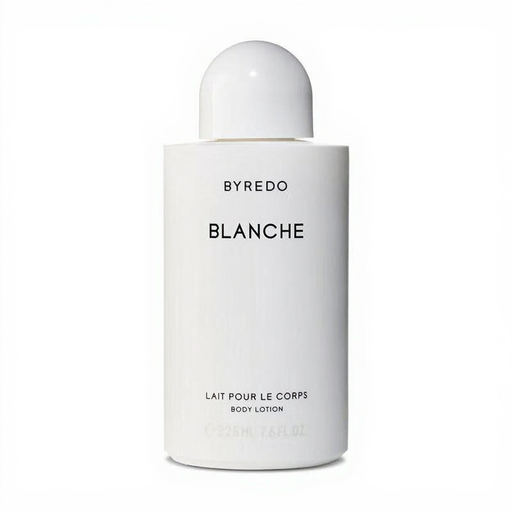
Why it suits this profile: This luxury body lotion combines body care with a refined fragrance profile featuring white rose, sandalwood, neroli, pink pepper and musk.
The description mentions a non-greasy formula that absorbs quickly; if you have sensitive skin, check the fragrance ingredients present.
225 ml volume; fast-absorbing formula according to the product description; clearly described fragrance profile.
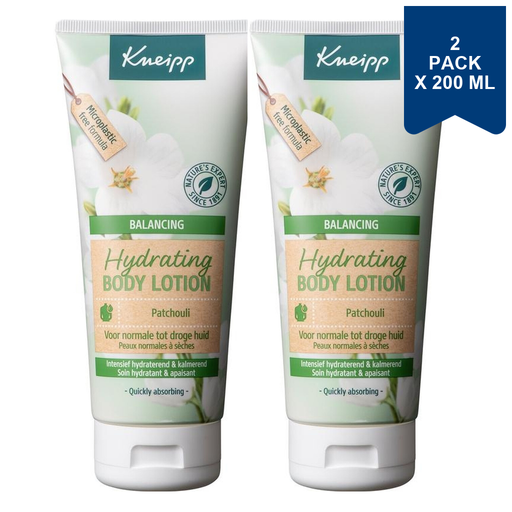
Why it suits this profile: The formula is designed for everyday use after showering and contains glycerine, almond oil, coconut oil, shea butter, hemp seed oil, vitamin E and panthenol.
The formulation shows which nourishing ingredients have been selected, rather than relying solely on a general hydration claim.
Shea butter and several plant oils; 200 ml volume; available as a single lotion and as a 2-pack.
A body cream usually has a richer texture than a lotion. This can be beneficial for dry skin, especially on the knees, elbows and heels. A lotion is often lighter, making it suitable for larger areas of the body and everyday use.
With a rich formula, consider the balance between comfort and ease of use. A body cream that remains on the skin for a long time may be less suitable for a busy morning routine. If necessary, use a light body lotion all over your body and a richer cream only on dry areas.
We have put together a complete, up-to-date list of products that fully meet these strict selection criteria and the applicable European safety regulations.
That depends on your skin and personal preference. Many people use a nourishing body lotion every day after showering. If you have dry skin, reapplying it to specific areas can be helpful. Always follow the usage instructions on the packaging.
Check the best-before date and the symbol indicating the period after opening. If it says “12M”, this generally refers to twelve months after opening. Keep the packaging closed and store it in a cool, dry place away from direct sunlight. If the fragrance, colour or texture changes, stop using the product.
Not always. Perfume and individual fragrance ingredients may be less suitable for some users. Check the ingredients list, test the product on a small area of skin first and stop using it if irritation occurs. For sensitive skin, a simple, fragrance-free formula may be a more sensible starting point.
