
Vandaag of morgen in huis

Kwaliteit gegarandeerd

Welkomstaanbiedingen ontgrendelen: GRATIS bezorging | Tot 80% korting | Gratis 30 dagen JoyPlus-proefperiode
Download de app
Dry skin can feel tight, flake more easily and become sensitive after showering. However, a random body lotion is not always the right choice. One formula may be light and quick to absorb, while another contains more oil-based ingredients for very dry skin. If you only go by words such as “intensive”, “24-hour” or “repairing”, you could end up buying a product that feels uncomfortable or does not suit your skin.
This practical guide compares body lotions based on skin type, ingredients, fragrance, size and use. That way, you can make an informed choice between a moisturising body lotion, fragrance-free body lotion or lotion for the face and body.
Brands use terms such as “48-hour hydration”, “skin barrier repair” and “instant relief”. These are product claims, not a guarantee for every user. According to the brand’s own research, such results may have been measured under specific test conditions. Your skin type, the amount of lotion used and factors such as cold weather, wind and frequent showering also play a part.
So start by checking verifiable information:
A fresh or warm fragrance can be pleasant, but perfume and fragrances may not be suitable for people whose skin reacts easily. When choosing a body lotion for sensitive skin, do not just check the front of the packaging. Look in the ingredients list for Parfum, Limonene, Linalool, Citronellol and other fragrance ingredients.
A fragrance-free body lotion is a sensible starting point for sensitive or easily irritated skin. That does not automatically mean that everyone will tolerate the formula without problems. Test a new product on a small area of skin first and stop using it if irritation occurs.
A face and body lotion can be convenient, but not every body lotion is intended for use on the face. A rich body cream may feel heavy on the face. Conversely, a light face cream may not provide enough care for a very dry elbow or shin.
Always check the stated application area. If you have eczema or persistent complaints, cosmetics are not a substitute for medical advice.
For normal to slightly dry skin, a thin lotion is often comfortable for daily use. If you are looking for a body lotion for dry skin, it is better to look for ingredients such as glycerine, dimethicone, petrolatum, shea butter and plant oils. These help the skin retain moisture or leave a caring layer on the skin.
An intensively moisturising lotion is not necessarily better for every user. A rich texture may take longer to absorb and feel less comfortable under clothing. A light emulsion is more suitable if you want to get dressed soon after showering.
For sensitive skin, a short, easy-to-understand ingredients list is often more practical to assess. “Hypoallergenic”, “dermatologically tested” and “suitable for sensitive skin” are product descriptions used by brands. According to a brand’s own research, these statements may be based on specific test results; they do not rule out an individual reaction.
Also pay attention to the difference between fragrance-free and “lightly fragranced”. These terms do not mean the same thing. For skin prone to eczema, a fragrance-free formula may be preferable, but check the current packaging and follow your doctor’s or pharmacist’s advice if you experience recurring problems.
A 400 ml bottle may seem more expensive than a 200 ml tube, but it could work out cheaper per application. Compare the price per 100 ml and consider how much lotion you use. A pump bottle is convenient for daily use, while a tube is easier to take with you.
Ideally, apply body lotion to clean skin, for example after showering. Pat your skin dry and apply the lotion while it is still slightly damp. This often makes it easier to spread the lotion. Check the expiry information and the period-after-opening symbol on the packaging.
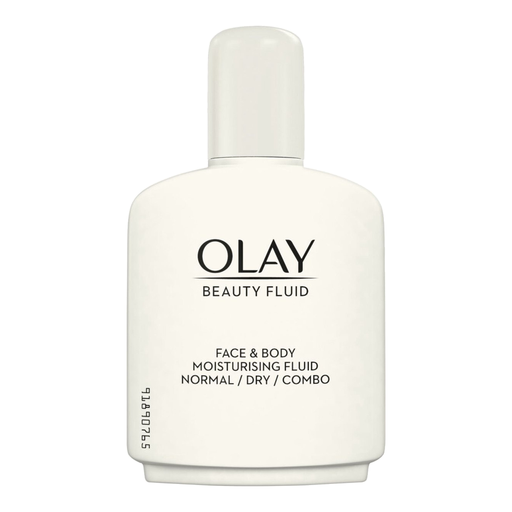
Why it suits this profile: A compact face and body lotion for daily use when you are looking for one light formula for multiple areas.
The product description states that it has a light, quick-absorbing formula for the face and body. However, check the fragrance ingredients if your skin is sensitive.
100 ml, suitable for the face and body according to the product information, with glycerine and dimethicone.
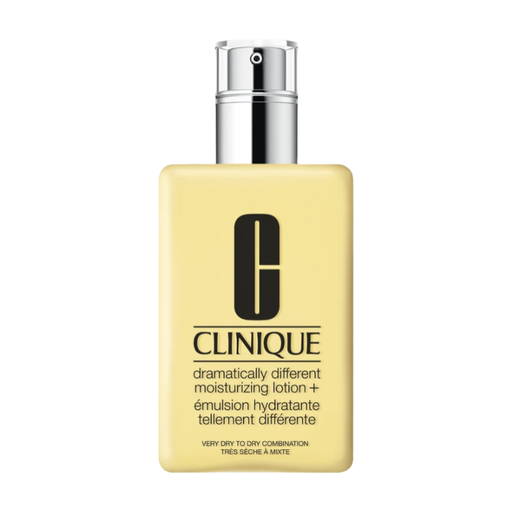
Why it suits this profile: Designed for users looking for a fragrance-free face lotion who value an emulsion texture.
The product details state that it is 100% fragrance-free and suitable for very dry to dry/combination skin. According to the information, it is a face product rather than a general body lotion.
125 ml, fragrance-free according to the product information, with glycerine, dimethicone and sodium hyaluronate.
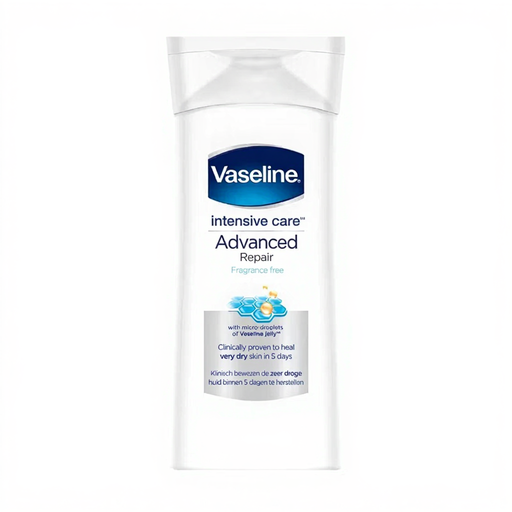
Why it suits this profile: A practical choice for very dry skin and rough areas that need extra daily care.
The details state that it has a fragrance-free formula and a quick-absorbing texture. The stated duration of use is a brand claim; your own experience may vary.
400 ml according to the product details, described as fragrance-free and intended for very dry skin.
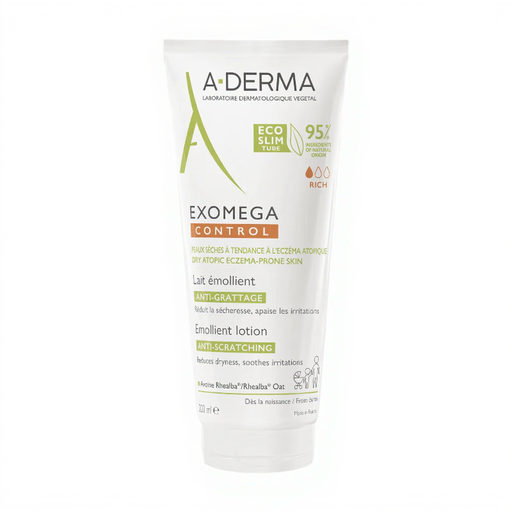
Why it suits this profile: For households looking for a fragrance-free lotion for dry, sensitive or eczema-prone skin, suitable for the face and body.
According to the product description, the lotion is fragrance-free and suitable for the face and body. Claims about redness or itching come from the brand and do not constitute medical advice.
200 ml, a fluid, non-greasy texture according to the description, fragrance-free and intended for the whole family.
We have put together a complete, up-to-date list of products that fully meet these strict selection criteria and the applicable European safety regulations.
Look for a richer formula containing ingredients such as glycerine, petrolatum, dimethicone, shea butter or oils. A fragrance-free body lotion can be a practical choice if your skin reacts sensitively. Apply the lotion daily, especially after showering, and follow the instructions on the packaging.
Only if the product is explicitly intended for the face and body. A product such as Olay Beauty Fluid states that it is suitable for both application areas. An ordinary body lotion may be too rich for the face or contain ingredients you would rather avoid there. So always check the product information.
Check the expiry date and the period-after-opening symbol, often shown as an open jar with, for example, 12M or 24M. Store the bottle in a cool, dry place, close the cap properly and do not use lotion if its scent, colour or texture has clearly changed.
