
Vandaag of morgen in huis

Kwaliteit gegarandeerd

Welkomstaanbiedingen ontgrendelen: GRATIS bezorging | Tot 80% korting | Gratis 30 dagen JoyPlus-proefperiode
Download de app
A good body lotion is part of a simple daily routine. However, choosing one is not always straightforward. Products vary in texture, fragrance, ingredients, size and ease of use. A lightweight lotion can feel pleasant after showering, while a body cream or body butter may be better suited to very dry areas.
Pay particular attention to these three common pitfalls:
Check the packaging for the complete INCI ingredients list. Glycerine, oils, butters and various moisture-binding ingredients are commonly found in hydrating body care products. Urea is widely used in products for dry or very dry skin. However, the concentration and the rest of the formula determine how a product feels on the skin.
A body lotion for sensitive skin should ideally contain as few unnecessary fragrances and colourants as possible. According to the product description, MUJI Sensitive Skin Body Lotion is offered without perfume, colourants, mineral oil, parabens or alcohol. The formula lists ceramide, amino acids and plant extracts, among other ingredients. These are product specifications; they do not guarantee that every user will tolerate the product without problems.
If you have allergies or skin that reacts easily, it is sensible to apply a small amount to a limited area of skin first. Stop using the product if irritation occurs and follow the safety information on the packaging.
A lotion is usually more fluid than a cream. This makes it easy to dispense and spread over large areas of skin. A body cream often contains more oily ingredients and may feel more comfortable on dry elbows, knees and heels. A body butter is generally richer still and is particularly suitable if you prefer a fuller layer.
When comparing products, look out for terms such as:
Compare the volume in millilitres with the price. A 400 or 500 ml pump bottle is practical for everyday use by several members of the family. A 150 or 240 ml jar may be more convenient for a richer cream or for taking with you.
Also check:
A claim such as “72-hour hydration” should be understood as a claim made by the brand. For NIVEA Repair & Care Urea, for example, the 72-hour claim is stated to be based on a self-assessment involving 41 volunteers and measurements taken after two weeks of use. This result does not automatically reflect the experience of every Dutch consumer.

Why it suits this profile: The 400 ml size is suitable for everyday use over larger areas of skin. According to the product description, the lotion is lightweight, non-greasy and fast-absorbing.
The texture means that a rich cream does not sit on the skin for a long time. However, do bear the stated fresh fragrance in mind.
400 ml, aloe vera listed in the product description and a fast-absorbing formula according to the stated specifications.
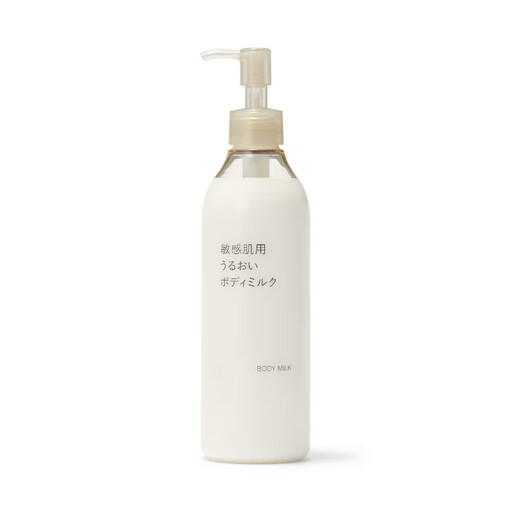
Why it suits this profile: This body lotion is aimed at users who want to keep their routine simple and are looking for fragrance-free body care.
The product information states that it contains no perfume or colourants, making fragrance less central to the choice.
300 ml, a mildly acidic formula and ceramide and five types of amino acids listed in the product description.
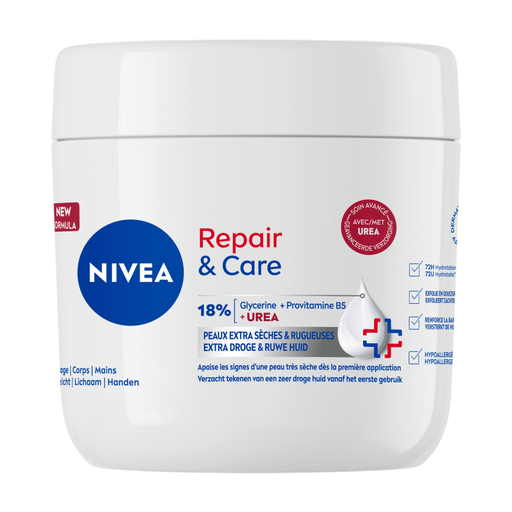
Why it suits this profile: The combination of glycerine, urea and provitamin B5 is aimed at those looking for a body cream for very dry and rough skin.
The ingredients are clearly listed. According to NIVEA, the 72-hour claim is based on a self-assessment, so it should not be treated as a universal result.
400 ml, urea in the formula and dermatologically approved skin tolerance according to the product information.
We have put together a complete, up-to-date list of products that fully meet these strict selection criteria and the applicable European safety regulations.
Apply the lotion to clean skin, preferably after showering. Pat your skin dry, leaving a small amount of moisture behind before applying the lotion. This makes the product easier to spread. Pay extra attention to your shins, knees, elbows and heels. If you have dry skin, it is better to use an appropriate amount every day than to apply a very thick layer occasionally.
A pregnancy body lotion can be part of a skincare routine, but be cautious about claims relating to stretch marks or elasticity. A product may make your skin feel more comfortable, but cosmetic products cannot guarantee the prevention or reduction of stretch marks. Check the ingredients and, if in doubt, preferably discuss them with a midwife or doctor.
Yes, most body lotions are intended for everyday use. Follow the directions for use and adjust the amount to suit your skin and the season. In winter or if you have very dry skin, a body cream or body butter may feel more comfortable.
Body lotion is usually lighter and more fluid, making it quick to spread over the body. Body cream is often richer and contains more emollient ingredients. Lotion may be sufficient for normal to dry skin, while cream can be more practical for very dry areas.
Check the expiry information on the packaging and the symbol indicating the period after opening, such as 12M. Keep the product closed, dry and out of direct sunlight. A change in fragrance, colour or texture may be a reason to stop using the product.
