
Vandaag of morgen in huis

Kwaliteit gegarandeerd

Welkomstaanbiedingen ontgrendelen: GRATIS bezorging | Tot 80% korting | Gratis 30 dagen JoyPlus-proefperiode
Download de app
A body lotion may seem like a simple skincare product, but there are significant differences between lotions, body milks and body creams. One formula absorbs quickly, while another is better suited to skin that feels tight or rough. Fragrance, ingredients and packaging also play a role in everyday use.
Marketing copy can be confusing. A lotion may be described as “intensively moisturising”, for example, without making it clear which ingredients are responsible. Use these practical checks to compare body lotions based on product information rather than promises alone.
A pleasant fragrance can be a reason to buy a product. However, perfume and fragrance ingredients are not suitable for everyone, particularly those with sensitive or eczema-prone skin. Check the ingredients list and look for “fragrance-free” or “without fragrance” if you prefer to avoid fragrance ingredients.
Please note: “natural” does not automatically mean that a product contains no fragrance ingredients. Essential oils may also be present as fragrance components.
A moisturising body lotion may be suitable for normal skin, but feel too light on very dry skin. Conversely, a rich body cream can be inconvenient if you want to get dressed immediately after showering.
Claims such as “48-hour hydration” are brand claims. According to the relevant brand’s own research, such results may have been established under certain conditions. Do not regard this as a guarantee for every user. Also consider the texture, ingredients and directions for use.
A 500 ml bottle may seem like good value, but ease of use is just as important. A pump bottle, for example, helps you dispense the product hygienically. A tube can be useful for sensitive skincare that you also apply to smaller areas. Also check the period after opening, often indicated by symbols such as 12M.
For a body lotion for dry skin, moisture-binding ingredients such as glycerine are relevant. Richer formulas often also contain oils, butters, petrolatum or silicones. These ingredients can leave the skin feeling softer and help limit moisture loss at the skin’s surface.
If you are looking for body lotion with ceramides, check the ingredients list for ceramides. Ceramides occur naturally in the skin and are used in cosmetics as part of skincare formulas. Freshly Cosmetics, for example, lists prebiotics and three types of ceramides in its Prebiotic Balance Body Lotion. The stated effects are brand claims; always check the current packaging.
Aloe vera is often used in a body lotion with aloe vera. Vaseline Aloe Soothe lists aloe vera and Vaseline microdroplets in its formula. According to Vaseline’s own information, the formula supports moisture retention and leaves the skin feeling softer after use. This is cosmetic product information, not a medical claim.
A body milk is generally thinner and more fluid than a body cream. This means a body milk can be pleasant for normal to dry skin and for use after showering. A body cream is usually richer and better suited to areas such as the knees, elbows and shins, which can quickly feel dry.
If you are looking for a fast-absorbing body lotion, look for terms such as “light emulsion”, “non-greasy” and “absorbs quickly”. Clarins Body-Smoothing Moisture Milk states that it has a fast-absorbing formula. Skeyndor describes its emulsion as light, with a non-greasy, velvety finish. Your experience may vary depending on your skin type and the amount used.
For adults with sensitive skin, a fragrance-free body lotion may be a sensible choice. MUJI Sensitive Skin Body Lotion states, among other things, that it contains no fragrance ingredients, colourants, mineral oil, parabens or alcohol. According to the product information, A-DERMA Exomega Control Lotion is fragrance-free and intended for dry skin prone to atopic eczema.
For a body lotion for babies, it is important to read the age recommendation, directions for use and warnings. Zwitsal Chamomile Body Lotion states that it is suitable from birth and, according to the product description, has been dermatologically tested. Do not use an adult product on a baby without checking the label.
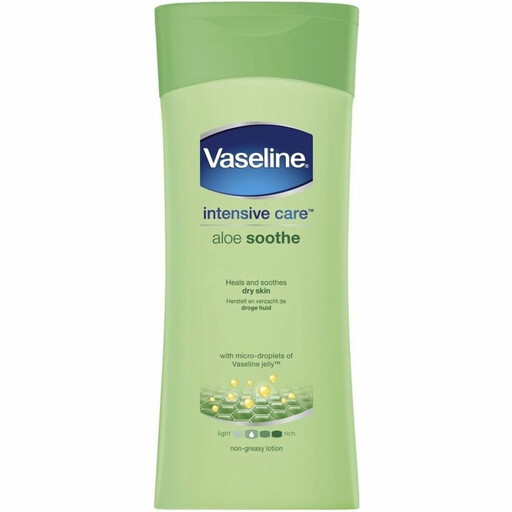
Why it suits this profile: A practical choice for everyday use if you are looking for a generous-sized bottle and a light texture.
The product information mentions both a fresh fragrance and quick absorption. Check beforehand whether perfume suits your preferences.
400 ml volume; aloe vera listed in the product description; light, non-greasy texture according to Vaseline.

Why it suits this profile: Ideal if you are looking for a body milk to include in a regular morning or evening routine.
The description explicitly mentions quick absorption. However, the ingredients list includes perfume, which is important to consider if you are sensitive to fragrance.
400 ml volume; body milk for dry and normal skin; use in the morning and/or evening.
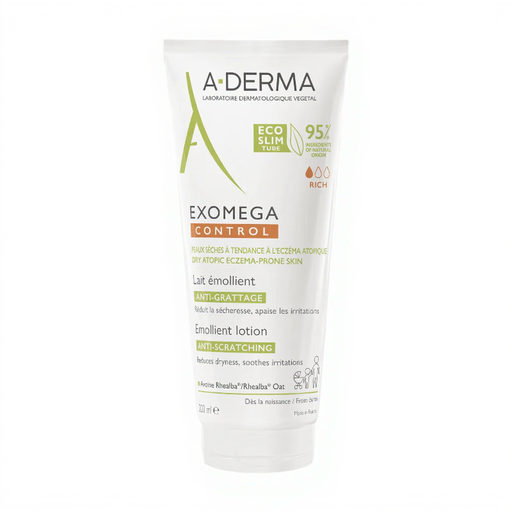
Why it suits this profile: Designed for those looking for a fragrance-free lotion for dry, sensitive or eczema-prone skin.
The product information states that it has a fragrance-free formula and a non-greasy texture. If symptoms persist, seek advice from a doctor or pharmacist.
200 ml volume; according to the description, suitable from birth; Rhealba oat extract and fragrance-free formula.
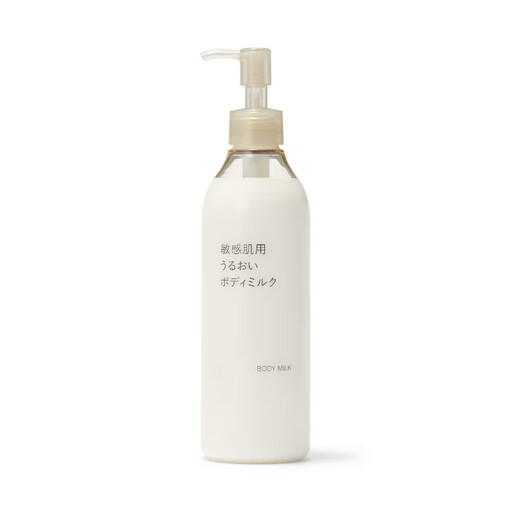
Why it suits this profile: An option for those looking for a fragrance-free body lotion with ceramides and a straightforward formula.
The description states that it contains no fragrance ingredients or colourants. According to the product information, “Allergy tested” does not rule out an individual reaction.
300 ml volume; ceramide and five types of amino acids according to the product description; mild acidity stated.
We have put together a complete, up-to-date list of products that fully meet these strict selection criteria and the applicable European safety regulations.
Apply lotion to clean, dry skin, preferably after showering. Gently pat your skin dry first, then apply an even layer. Pay extra attention to your shins, knees, elbows and heels. Using a smaller amount helps prevent a sticky feeling; with a rich body cream, a thin layer may be enough.
If you have sensitive skin, test a new product on a small area first. Stop using it if irritation occurs and follow the instructions on the packaging. Avoid contact with the eyes and only use baby products according to the age and safety information on the label.
Body lotion usually has a lighter, more fluid texture and often absorbs more quickly. Body cream is generally richer and may be more comfortable on very dry areas. The exact composition varies by brand, so check the ingredients and directions for use.
That depends on your skin and preferences. Daily use after showering is a practical routine for many people. If you have dry skin, you can apply extra to rough areas, provided the packaging recommends this and your skin responds well.
Not without checking first. Baby skin needs a product with a suitable age recommendation and clear directions for use. For example, choose a product specifically marketed as baby skincare and always check the current label.
