
Vandaag of morgen in huis

Kwaliteit gegarandeerd

Welkomstaanbiedingen ontgrendelen: GRATIS bezorging | Tot 80% korting | Gratis 30 dagen JoyPlus-proefperiode
Download de app
Buying body lotion seems simple, until you have to choose between body milk, a rich cream, fragrance-free body lotion or a formula containing ingredients such as shea butter or hyaluronic acid. Marketing terms do not always tell the whole story. A lotion that smells pleasant may not be suitable for sensitive skin. And a long-lasting hydration claim does not automatically mean that you will need to apply it less often.
With this practical guide, you can focus on the features that really matter in everyday use: skin type, ingredients, fragrance, packaging and when you use it.
A warm vanilla fragrance or a fresh perfume can make your skincare routine more enjoyable. However, fragrance ingredients can be a concern for people with reactive skin. So check the full INCI list on the label. A product described as “mild” or “for sensitive skin” is not automatically fragrance-free.
If you want to avoid perfume, look specifically for a fragrance-free body lotion. Also look out for fragrance allergens that may be listed separately in the ingredients list, such as limonene, linalool or benzyl alcohol.
Brands may state a particular hydration period based on their own research or a clinical assessment. For example, NIVEA states that Caring Body Milk provides up to 72 hours of hydration, while Dove states that Essential Care provides up to 48 hours. Treat this information as a brand claim, not a guarantee for every user. Skin type, showering frequency, the season and the amount of lotion applied all affect the experience.
A rich body lotion containing oily or buttery ingredients can feel pleasant on dry skin, but may be less practical if you want to get dressed straight afterwards. A thin lotion or body milk generally absorbs more quickly, while a richer texture may be suitable for dry areas such as the knees, elbows and heels.
First, decide what you need the lotion for:
A product described as dermatologically tested has undergone testing under certain conditions. This does not guarantee that nobody will react to it. According to A-DERMA’s product information, Exomega Control has also been dermatologically and paediatrically tested; individual reactions are still possible.
Ingredients can help guide your choice, but they do not solely determine how a product feels.
Always check the packaging, as formulas may change. The current ingredients list on the product is the one to rely on.
A 400 ml bottle is often practical for everyday use by one person or a family. A 200 or 250 ml pack is easier to take with you or try first. Do not compare only the price per bottle; also compare the price per 100 ml and the number of packs in a multipack.
A pump bottle is convenient in the bathroom, while a tube can be useful for targeted application. According to the product description, A-DERMA Exomega Control comes in an eco-designed tube made from recycled and recyclable plastic. Always check the product page and label for the latest packaging information.
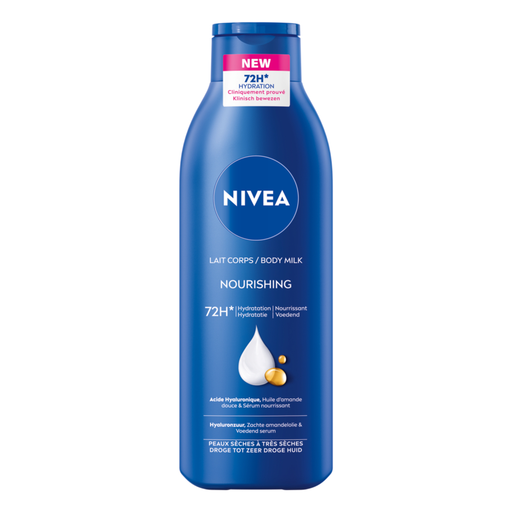
Why it suits this profile: A compact body milk for anyone looking for a daily lotion with a light texture and clear information about the intended skin type.
The product information states the skin type, ingredients and size. This allows you to check whether it is right for you instead of relying solely on a fragrance or hydration claim.
250 ml; with sodium hyaluronate, almond oil and a nourishing serum according to the product information; intended for dry to very dry skin.
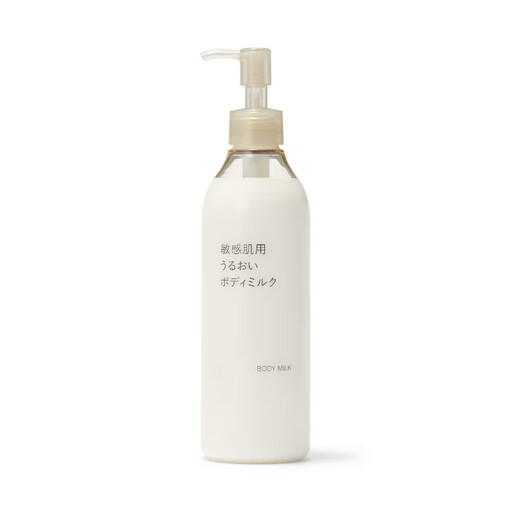
Why it suits this profile: A sensible choice for adults who value the ingredients and avoiding certain additives more than a pronounced fragrance.
The description states that it contains no fragrance ingredients, colourants, mineral oil, parabens or alcohol. Check the current packaging if these features are decisive for you.
300 ml; with three plant extracts, ceramide and five types of amino acids according to the product description; mildly acidic formula.
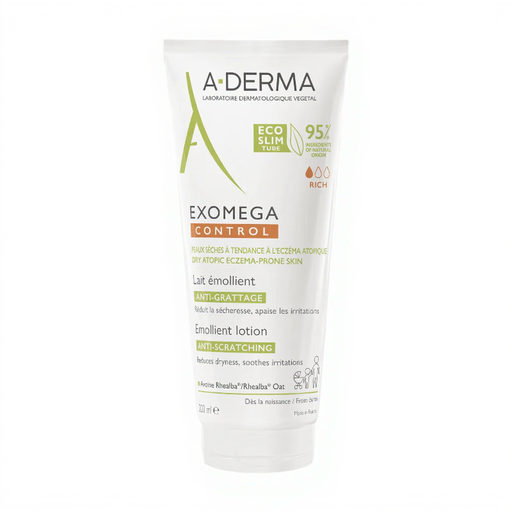
Why it suits this profile: Designed for families looking for a fragrance-free lotion for dry, sensitive skin, and wanting a product that, according to the description, can be used from birth.
According to the product information, the lotion is fragrance-free and intended for dry, sensitive skin. This makes it easier to assess than a general claim about gentle care.
200 ml; fluid, non-greasy texture; with Rhealba oat extract and, according to the product description, dermatologically and paediatrically tested.
We have put together a complete, up-to-date list of products that fully meet these strict selection criteria and the applicable European safety regulations.
Preferably apply a moisturising body lotion to clean skin, for example after showering. Pat your skin dry, leaving it slightly damp before applying the lotion. This makes it easier to spread. Pay extra attention to your shins, knees, elbows and heels.
For a baby, a small amount is usually enough. Avoid the eyes and mouth, and follow the age and safety information on the packaging. According to the product information, Zwitsal Body Lotion contains perfume and fragrance allergens. If your baby has known sensitivities, it is advisable to check the ingredients first and ask for advice if in doubt.
Stop using the product if irritation, redness, itching or swelling occurs. Body lotion is intended for external use and is not a substitute for medical treatment.
The terms are often used interchangeably. Body milk usually refers to a lighter, more fluid texture that absorbs quickly. Body lotion can be either light or rich. So focus mainly on the description, ingredients and skin type the product is intended for.
Check the use-by date and the open-jar symbol indicating the period after opening on the packaging, such as 12M. Keep the bottle closed and store it in a cool, dry place away from direct sunlight. If the scent, colour or texture changes, stop using the product.
Look for a fragrance-free body lotion with a short, clear ingredients list, and check whether the manufacturer describes the product as suitable for sensitive skin. “Dermatologically tested” is useful product information, but it does not guarantee suitability for everyone. If in doubt, first test a small amount on a limited area of skin.
