
Vandaag of morgen in huis

Kwaliteit gegarandeerd

Welkomstaanbiedingen ontgrendelen: GRATIS bezorging | Tot 80% korting | Gratis 30 dagen JoyPlus-proefperiode
Download de app
Buying body lotion seems simple until you have to choose between body milk, body cream, scented lotion and fast-absorbing body lotion. Many products promise long-lasting hydration, soft skin or a restorative effect. These claims only tell you so much, though: it’s also worth looking at the ingredients, size and how you plan to use the product.
For adults in the Netherlands, there are three common pitfalls to watch out for:
A lightweight lotion or body milk is practical for everyday use on normal to dry skin. If you’re looking for body lotion for dry skin, check for ingredients such as glycerin, dimethicone, petrolatum, oils or butters. These ingredients appear in various types of moisturiser and can help your skin feel comfortable.
Body cream usually has a richer texture than lotion. That can feel good on dry areas such as elbows, knees and heels, but not everyone likes using it all over. A fast-absorbing body lotion is a better fit if you want to get dressed straight after applying it.
Fragrance is usually listed in the ingredients as “parfum” or “fragrance”. Individual fragrance ingredients may also be listed, such as limonene, linalool, citronellol or geraniol. For example, Vaseline Essential Healing 200 ml lists several fragrance allergens in its product information.
A fragrance-free option, such as the Vaseline Advanced Repair described here, may be a sensible choice if you prefer to avoid fragrance. Stop using the product if irritation occurs, and always follow the instructions on the packaging. Body lotion is for external use only; avoid contact with your eyes.
A 400 ml bottle is handy for everyday use at home. A 150 to 250 ml bottle is easier to take with you and may be a good choice if you want to try a new formula first. So compare the price per 100 ml, rather than just the price per bottle.
Check the product type, too. Body lotion isn’t the same as shower gel. For example, the AXE Ice Chill products in the range are 3-in-1 shower gels for cleansing, not for long-lasting body care after showering. Body oil and body cream can offer a different texture and feel.
The selection below is based on verifiable details such as size, listed ingredients, fragrance, skin type and product format. Brand claims about hydration or repair are not presented here as guaranteed results.
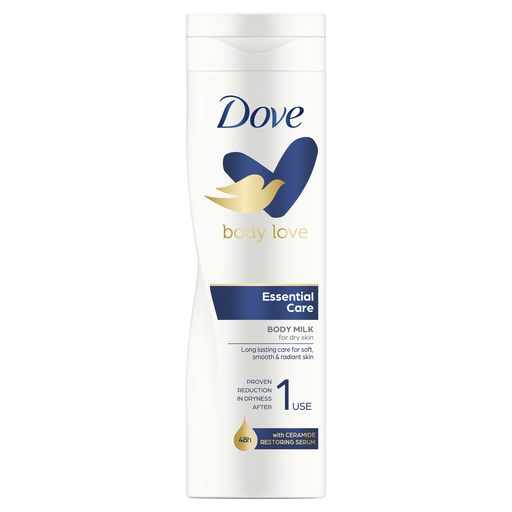
Why it suits this profile: A manageable 250 ml bottle for anyone looking for a nourishing body lotion for everyday use without committing to a large size straight away.
The product information lists the size, says it’s suitable for all skin types and describes the formula as fast-absorbing, according to the manufacturer. Check the current ingredients on the packaging.
250 ml; glycerin, dimethicone and petrolatum listed as ingredients; suitable for everyday use.
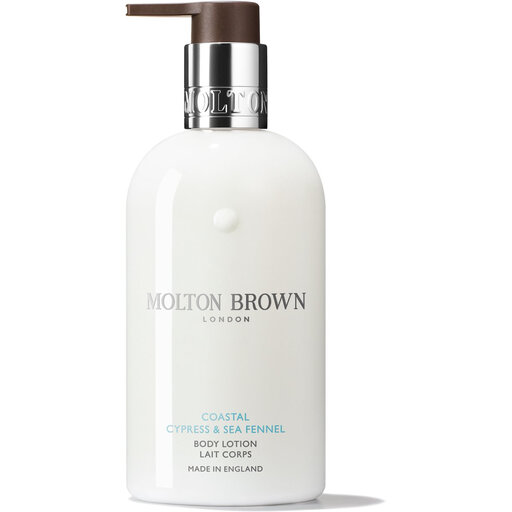
Why it suits this profile: For anyone who values a distinctive fragrance as well as hydration, and a richer ingredient list featuring shea butter, macadamia oil and sodium hyaluronate.
The fragrance is clearly described, with notes such as fig leaf, cardamom and cedarwood. So you’ll know in advance that this isn’t an unscented body lotion.
300 ml; listed as vegan in the product details; ingredients include shea butter, macadamia oil and sodium hyaluronate.
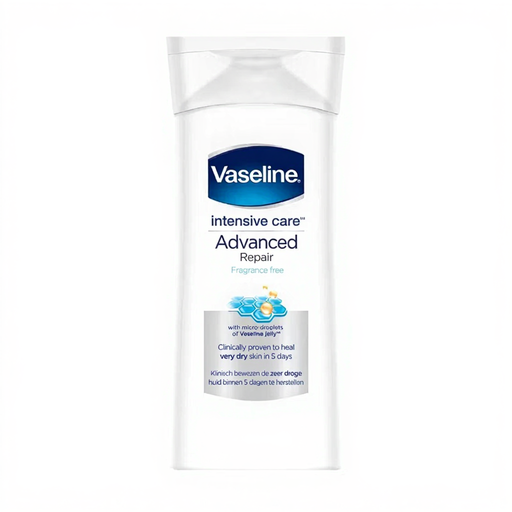
Why it suits this profile: The product details describe a fragrance-free formula for very dry skin and a 400 ml bottle, making it suitable for regular use.
The product information specifies that it’s for very dry skin and that the formula is fragrance-free. This helps you choose based on how you’ll use it, rather than just the scent or packaging.
400 ml; listed as fragrance-free in the product details; glycerin, dimethicone and petrolatum listed as ingredients.
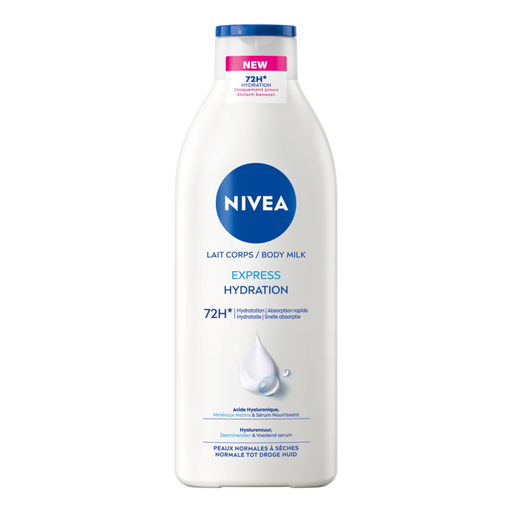
Why it suits this profile: According to the product description, the lightweight formula is designed for normal to dry skin and is non-greasy and fast-absorbing.
The intended use and texture are clearly described. The 72-hour hydration claim comes from NIVEA’s product information and isn’t a guarantee for every user.
400 ml; glycerin and sodium hyaluronate listed; suitable for everyday use on normal to dry skin.
We’ve put together a complete, up-to-date list of products that meet these strict selection criteria and the applicable European safety requirements.
It depends on your skin and daily routine. Many people apply lotion after showering, when their skin is clean. Follow the instructions on the packaging and reapply when your skin feels tight. Don’t use body lotion on damaged skin without checking the product information first.
Body lotion is usually lightweight and runny. Body milk often has a similarly light texture, but the name varies between brands. Body cream is generally richer and may feel better on very dry areas. The exact formula matters more than the name on the front of the packaging.
Not necessarily. Work out the price per 100 ml and consider whether you’ll use the lotion regularly. A 400 ml bottle can be a practical choice if you use it every day, while 200 or 250 ml may suit you better if you want to try a formula first or take the bottle with you.
