
Vandaag of morgen in huis

Kwaliteit gegarandeerd

Welkomstaanbiedingen ontgrendelen: GRATIS bezorging | Tot 80% korting | Gratis 30 dagen JoyPlus-proefperiode
Download de app
Buying body lotion seems simple, until you have to choose between body milk, body cream, a moisturising body lotion or a serum formula. Marketing copy often focuses on terms such as “intensive”, “glow” and “long-lasting hydration”, but these words don’t always tell you whether a product will feel right on your skin, suit your routine or fit your budget.
The most common buying mistakes come down to three pitfalls:
To compare products carefully, start by considering your skin type, the ingredients, the pack size and when you plan to use it.
A light body milk usually absorbs quickly and works well for everyday use, for example after a shower or when you want to get dressed quickly. A richer, nourishing body cream may feel more comfortable on dry areas such as your knees, elbows and heels.
Glycerine, oils and emollient ingredients are commonly found in products for normal to dry skin. For very dry skin, a formula containing ingredients such as petroleum jelly, lipids or shea butter may leave a more comfortable layer on the skin. That doesn’t automatically mean every product containing one of these ingredients will suit everyone.
If you’re looking for body lotion for sensitive skin, check the full ingredients list on the packaging. “Dermatologically tested” or “hypoallergenic” doesn’t guarantee that everyone will tolerate the product without a problem. Johnson’s product information describes its Baby Lotion Delicate Skin as hypoallergenic, but also states that it isn’t fragrance-free.
Pay particular attention to:
Brands describe performance and results in different ways. For example, NIVEA claims its Caring Body Milk provides clinically tested hydration for up to 72 hours. This is a brand claim based on research carried out by or on behalf of the brand; don’t assume it will deliver the same results for everyone.
A 400 or 500 ml bottle is practical if you moisturise your whole body every day. A 100 or 200 ml tube may be more convenient for your handbag, a holiday or use on specific areas. Compare not only the purchase price, but also the price per 100 ml.
A multipack can offer good value if you already know and regularly use a product. If you’re trying a new fragrance or formula, it’s wiser to buy one pack first so you can see whether the texture and scent suit you.
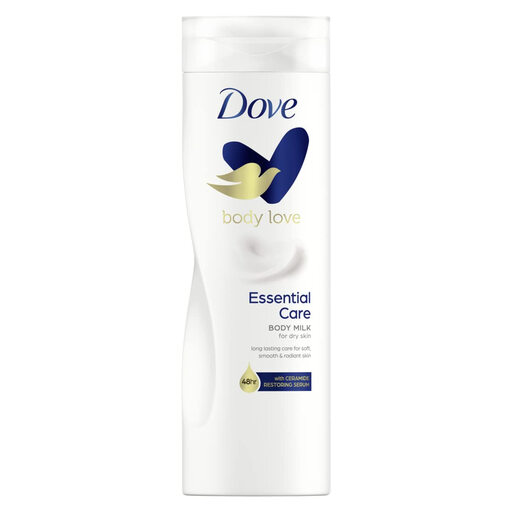
Why it suits this profile: The 400 ml pack is suitable for everyday use on normal to dry skin. According to the product description, the lotion absorbs quickly and doesn’t feel greasy.
The pack size and broad everyday use are clearly stated. Check the fragrance ingredients if you prefer to avoid perfume.
400 ml, glycerine in the formula and a texture that, according to the description, absorbs quickly.
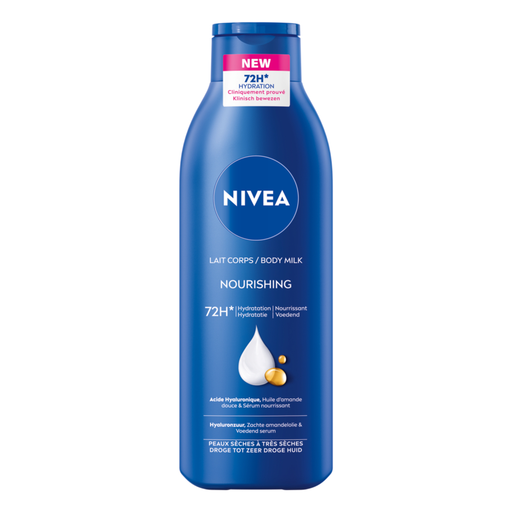
Why it suits this profile: According to the product information, this body milk is designed for dry to very dry skin and combines hyaluronic acid, almond oil and a nourishing serum.
The product information lists both the skin type it’s for and its key ingredients. However, the formula contains perfume and listed fragrance allergens.
Hyaluronic acid, almond oil, 250 ml and, according to the brand description, a non-greasy, fast-absorbing formula.
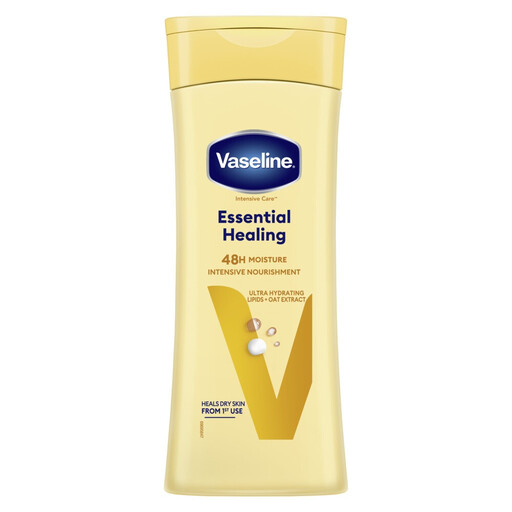
Why it suits this profile: According to the product information, this lotion is designed for dry skin and everyday use, with oat extract, glycerine and petroleum jelly-based ingredients.
The product description clearly states who it’s for and how to use it. Check the ingredients, as the list contains several fragrance ingredients.
400 ml, oat extract and, according to the brand description, non-greasy care with long-lasting hydration.
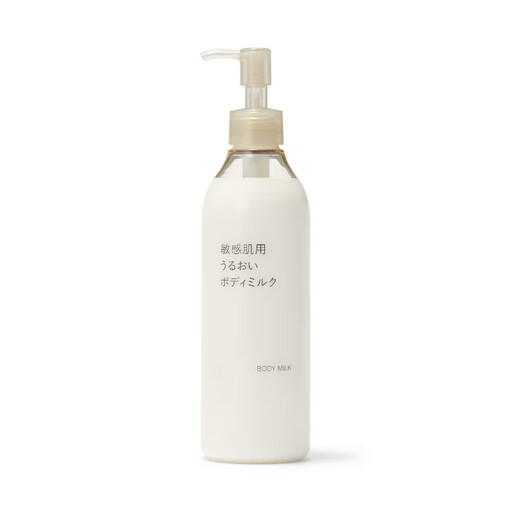
Why it suits this profile: The product information states that it contains no perfume, colourants, mineral oil, parabens or alcohol. The lotion contains ceramide and amino acids.
The stated exclusions make it easier to choose a fragrance-free option. However, an allergic reaction is possible with any cosmetic product.
300 ml, fragrance-free according to the product information, with ceramide, plant extracts and five types of amino acid.
We’ve put together a complete, up-to-date list of products that meet these strict selection criteria and current European safety regulations.
Ideally, apply body lotion to clean skin, for example after a shower. Pat your skin dry, then gently massage in the lotion. Pay extra attention to dry areas. A fast-absorbing body lotion is handy in the morning; a richer body cream may be better suited to your evening routine.
Test a new product on a small area of skin first. Stop applying it if you experience redness, itching or irritation, and follow the warnings on the packaging. Products for external use aren’t intended for broken or irritated skin, unless the packaging says otherwise.
Yes, body milk is generally designed for everyday use and is often lighter in texture than body cream. Always check the skin types it’s intended for and the ingredients. A richer formula may feel more comfortable on very dry skin.
Follow the expiry information on the packaging. Also look for the open-jar symbol, for example 12M. This indicates the recommended number of months to use the product after opening. Keep the bottle tightly closed in a cool place, out of direct sunlight.
The price varies depending on the brand, pack size, ingredients and packaging. So compare the price per 100 ml and consider how often you’ll use it. A multipack can offer good value if you use the product regularly, while a smaller pack is handy for trying a new formula first.
