
Livraison le jour même et le lendemain

Qualité garantie

Débloquez vos offres de bienvenue: Livraison GRATUITE | Jusqu'à -80 % | 30 jours d'essai gratuits à JoyPlus
Téléchargez l'application
Buying a body cream seems straightforward, until you have to choose between a lightweight lotion, a rich cream for dry skin, a face and body cream or a product with SPF. Marketing copy often promises long-lasting hydration, smoother-looking skin and care for all skin types. However, such claims do not automatically mean that the cream will feel comfortable on your skin or suit the way you intend to use it.
Pay particular attention to the formula, ingredients, packaging and intended use. This will help you avoid buying a large tub that feels too greasy, using a fragranced cream on sensitive skin or mistaking SPF for complete sun protection.
Brands sometimes advertise 24, 48 or 72 hours of hydration. According to the brand’s own research, a product may achieve such a result under specific test conditions. However, your experience also depends on your skin type, the season, how often you shower and how much cream you apply.
A moisturising cream is generally more practical when you apply it straight after showering, while your skin is still slightly damp. If your skin feels tight or flaky, a richer texture may be more suitable than a fast-absorbing lotion.
A face and body cream is convenient if you want to use one product. However, fragrance, alcohol, essential oils or certain preservatives may be less suitable for sensitive skin. Always check the ingredients list and test a new product on a small area of skin first.
A thick cream for hands, feet and elbows may also feel heavy on your face. Conversely, a lightweight face cream may not provide enough comfort for very dry knees or heels.
A body cream with SPF 15 can be useful for everyday use and short periods outdoors. However, the sun protection factor does not mean that you can stay in the sun indefinitely. For the beach, sport or prolonged exposure, a separate sun care product with a suitable protection factor is a more sensible choice. Apply enough product and reapply according to the instructions on the packaging.
Choose the texture based on your daily routine:
Glycerine appears high on the ingredients list of several of the products mentioned. This ingredient is widely used as a humectant. Oils, waxes and silicones can contribute to a fuller skin feel, but they also affect how greasy or lightweight a cream feels.
Do not only read the front of the packaging. A product may describe itself as “natural”, “vegan” or “for all skin types”, but the full ingredients list provides more information about its composition.
The descriptions of the NIVEA Soft products include glycerine, jojoba oil and vitamin E. The formula also contains fragrance and various fragrance ingredients. This will not necessarily be a problem for every user, but it is relevant information if your skin reacts easily.
For Skin Food, Weleda lists a formula with natural ingredients and plant extracts such as calendula, chamomile and pansy. According to the product information, the product carries the NATRUE label. If you have allergies, always check the current packaging, as formulations can change.
Do not compare only the price of a tub or tube. Also consider the quantity in millilitres and how often you use the product. A 150 ml pack is convenient for travelling, while 250 or 400 ml is better suited to everyday use for the whole family.
A multipack can reduce the price per pack, but it is only practical if you use the cream regularly and check the shelf-life information. Store body cream in a cool, dry place away from direct sunlight, and close the packaging properly.
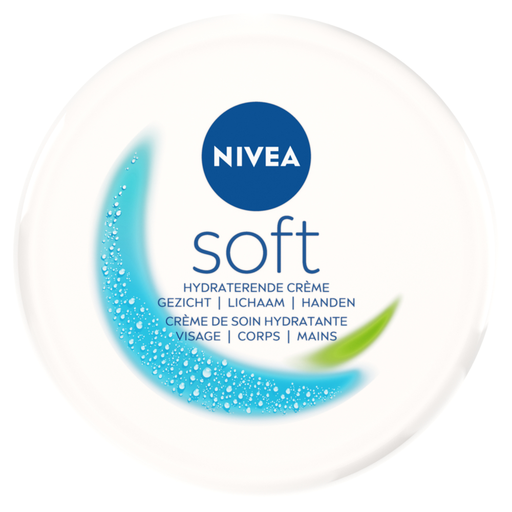
Why it suits this profile: An accessible face and body cream for everyday use on the face, hands and body. The lightweight formula is practical if you do not want to buy separate products.
The product information clearly states where it can be used and that it absorbs quickly. However, check the fragrance ingredients if your skin is prone to reacting.
Glycerine, jojoba oil and vitamin E according to the ingredients list; suitable for the face, hands and body.
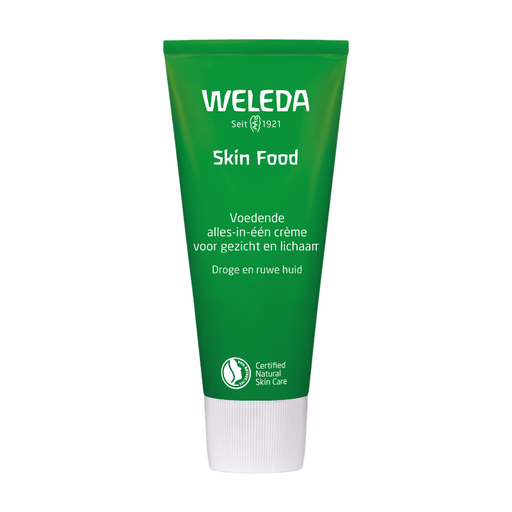
Why it suits this profile: Designed for users looking for a rich, nourishing skin cream for dry and rough areas on the face and body.
The rich texture is clearly intended for dry areas. This makes the choice less dependent on broad claims about one cream for every occasion.
75 ml; for the face and body; according to the product information, made with 100% natural ingredients and NATRUE-certified.
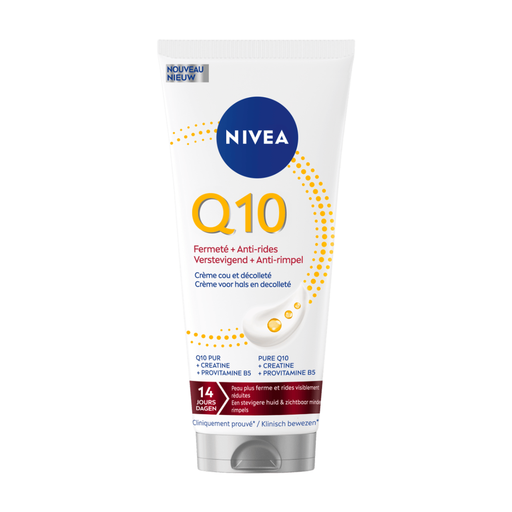
Why it suits this profile: A targeted cream for the neck and décolletage, for anyone looking for a separate care product for these areas rather than a general body cream.
The intended area of use is clearly specified. According to NIVEA’s own research, results relating to hydration and the visibility of fine lines are linked to product testing; do not treat this as a medical claim.
200 ml; according to the ingredients list, contains glycerine, shea butter, Q10, creatine and provitamin B5.
We have put together a complete, up-to-date list of products that fully meet these strict selection criteria and the applicable European safety regulations.
A lightweight moisturising body cream is usually convenient for everyday use and larger areas of the body. A rich cream for dry skin is better suited to rough hands, heels or elbows. If you are looking for one product for the whole family, you can consider a cream for all skin types, but you should still take fragrance and individual sensitivities into account.
That depends on the product description and your skin. Some products, such as NIVEA Soft and Olay Beauty Fluid, are described in the available information as suitable for the face and body. However, a rich cream may feel heavy on the face. Also avoid contact with the eyes and stop using the product if irritation occurs.
For everyday care, once after showering is a sensible time to apply it. For dry hands, feet or elbows, you can reapply whenever your skin feels tight. The right amount varies according to the product and area of skin, so also follow the instructions on the packaging.
Not necessarily. A smaller tube may cost more per 100 ml, but its rich texture may mean that you need less product. Compare the quantity, recommended use and texture. A larger pack is only good value if you use the cream regularly and its fragrance and formulation suit you well.
