
Livraison le jour même et le lendemain

Qualité garantie

Débloquez vos offres de bienvenue: Livraison GRATUITE | Jusqu'à -80 % | 30 jours d'essai gratuits à JoyPlus
Téléchargez l'application
A good body cream needn’t be complicated. Yet there is a huge choice, from lightweight body lotion and body milk to rich body cream for dry skin, fragranced formulas and firming body lotion. The difference isn’t just in the packaging. Texture, ingredients, scent and ease of use all determine whether a product remains pleasant as part of your daily routine.
Many consumers pay unnecessarily for claims that don’t match their skin or expectations. This practical guide explains what to look out for and which products suit different situations.
Words such as “firming”, “glow” and “anti-ageing skincare” sound appealing, but they don’t automatically tell you what you will experience yourself. According to NIVEA’s product information, claims relating to Q10, hydration and elasticity are based on specific instrumental tests and limited study groups. Treat these results as information about how the product was assessed, rather than as a personal guarantee.
Also pay attention to the difference between skincare and medical action. A cream can leave your skin feeling soft, smooth or comfortable, but it is not a treatment for a skin condition.
Body milk usually spreads easily and is convenient for everyday use after showering. Body lotion often sits somewhere between milk and cream. A richer body cream may feel more comfortable on dry areas such as elbows, knees and heels, but some users may find it less comfortable under clothing.
So consider your routine. If you’re short on time, you may prefer a fast-absorbing formula. If you mainly experience a tight feeling, a nourishing body cream may be a better choice.
A fragranced body cream can make daily skincare more enjoyable, but perfume and fragrance ingredients such as limonene, linalool or citronellol are not suitable for everyone. If you have sensitive skin, always check the ingredients list and test a new product on a small area of skin first.
Natural ingredients are not automatically suitable for every user either. Essential oils and plant extracts can also cause sensitivity.
First check whether the product is intended for the body, face or hands. Hand cream is often formulated for frequent application, while face cream generally has different texture and skincare considerations. Don’t automatically use a body cream on your face unless the product information says that you can.
For hydration, you will often see glycerine, panthenol, hyaluronic acid or emollient oils. Ingredients such as Q10, vitamin C, niacinamide and plant extracts are often associated by brands with skincare, an even appearance or a firmer-looking complexion. A brand’s own research may link these ingredients to specific results, so always check the supporting information in the product details.
For dry skin, occlusive ingredients such as petrolatum, dimethicone or plant butters can help limit moisture loss. If you have sensitive skin, it is generally best to choose a simple formula and avoid unnecessary fragrance ingredients.
A 400 ml pack is practical if you apply cream to your whole body every day. A 175 to 240 ml tub or bottle may be more convenient if you alternate a luxury cream with a basic product. Don’t just consider the purchase price; also think about how much you use each time.
Apply the cream to clean, dry skin. Doing so after showering can be practical, but gently pat your skin dry first. Stop using the product if irritation occurs and follow the safety information on the packaging. Products are intended for external use only and must not come into contact with the eyes.
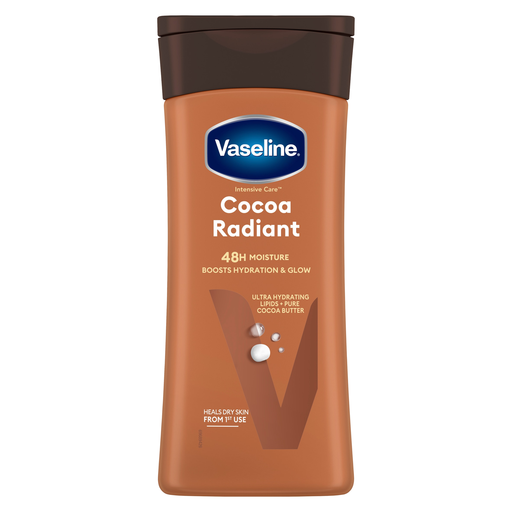
Why it suits this profile: An accessible body lotion for everyday use, with a 200 ml capacity and a clear focus on dry skin.
The product information clearly lists the size, ingredients and directions for use. This means you can base your choice on texture and scent, rather than on marketing claims alone.
Cocoa butter, glycerine and petrolatum are listed among the ingredients. According to the product description, the lotion has a warm cocoa scent.
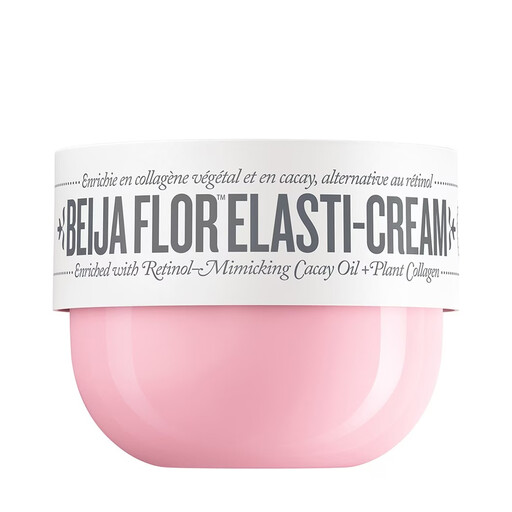
Why it suits this profile: Ideal if you are looking for a richer body cream with a nourishing feel and a floral scent.
The description mentions the consistency, area of application and scent. When it comes to firming or collagen-support claims, remember to interpret these as brand claims.
240 ml capacity, a fast-absorbing cream according to the product description, and a floral scent. The stated formula is vegan and paraben-free.
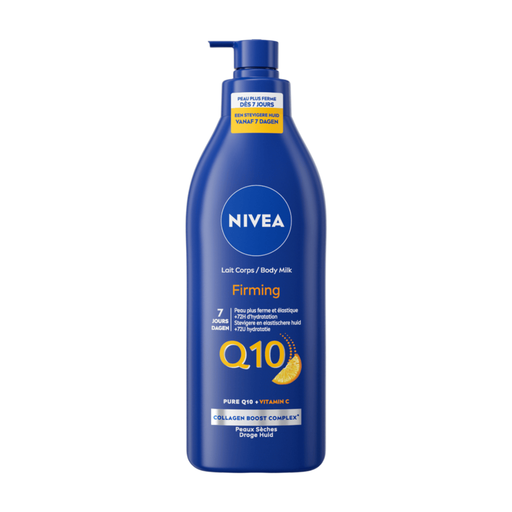
Why it suits this profile: The pump bottle and 400 ml capacity are practical for frequent use all over the body.
The product information states the testing basis for the hydration and elasticity claims. This helps you distinguish the promised effects from verifiable details such as size and ingredients.
400 ml, pump bottle, glycerine, Q10 and vitamin C in the ingredients list. According to the product information, its skin compatibility has been dermatologically approved.
A daily routine doesn’t need to involve many steps. After cleansing, use a body lotion or body milk on your body, and a separate hand cream if you wash your hands frequently. Products such as the ANUA Peach 77% Niacin Enriched Cream or a gel cream from Korean skincare are intended for the face. They are not a substitute for body cream.
During the day, use a face cream with sun protection or a separate sun-care product. According to the product information, the Anua Heartleaf Silky Moisture Suncream 50 ml is not water-resistant. Apply it generously before sun exposure and reapply after swimming, sweating or drying yourself. Avoid contact with the eyes and stop using it if irritation occurs.
If you have mature skin, pay attention to the difference between a hydrating cream and anti-ageing skincare. Ingredients may contribute to a well-cared-for skin feel, but visible effects vary from person to person. Wherever possible, choose based on your skin type, texture and tolerance.
We have put together a complete, up-to-date list of products that fully meet these strict selection criteria and the applicable European safety regulations.
That depends on your skin and routine. For many adults, once a day after showering is sufficient. If you have dry skin, you can give dry areas some extra care. It is better to apply a suitable amount regularly than to apply a very thick layer occasionally.
Body milk is usually lighter and more fluid. Body lotion often has a medium-weight texture and is suitable for everyday use. Body cream is generally richer and better suited to dry areas or if you want a nourishing feel on your skin. The names are not fully standardised, so always check the product description.
Only if the manufacturer explicitly says so. Facial skin may react differently to perfume, oils or a rich texture. It is therefore best to use face cream on your face, body cream on your body and hand cream on your hands.
