
Vandaag of morgen in huis

Kwaliteit gegarandeerd

Welkomstaanbiedingen ontgrendelen: GRATIS bezorging | Tot 80% korting | Gratis 30 dagen JoyPlus-proefperiode
Download de app
A body cream may seem like a simple purchase, but you notice the difference between a lightweight body lotion and a rich cream especially when your skin is dry, tight or sensitive. Fragrance, ingredients and promised hydration duration also play a part. If you only go by the packaging, you may end up paying for a pleasant scent or eye-catching claim, while the formula is not well suited to your skin type.
In this buying guide, you’ll discover what to look for in a moisturising body cream, cream for dry skin or nourishing body cream. Afterwards, you’ll find some popular options for different uses.
Claims such as 48-hour hydration or 72 hours may sound clear, but the measurement method varies from one brand to another. According to NIVEA’s product information, the 72-hour claim for some products is based on a self-assessment or a test involving a limited number of participants. Treat such a figure as an indication of the product experience, rather than a guarantee that every person’s skin will remain hydrated for exactly that long.
Your skin type, the season, humidity and how often you shower all affect the result.
A body butter or intensive skincare product containing shea butter and oils can feel pleasant on very dry areas such as the knees, elbows and shins. For everyday use after showering, however, a lightweight body lotion may be more convenient. A formula that is too rich may take longer to absorb and can feel uncomfortable underneath clothing.
A luxurious fragrance can make application more enjoyable, but it says little about the moisturising effect. Perfume and fragrance allergens such as limonene, linalool or citronellol may also be unsuitable for some sensitive skin types. Always check the ingredients list and, if your skin reacts easily, consider choosing a fragrance-free body cream for sensitive skin.
Glycerine helps retain moisture on the surface of the skin. Urea is often used in formulas for dry, rough skin. Panthenol, also known as provitamin B5, is found in various skincare products designed to leave skin feeling comfortable.
The concentration and the complete formula are more important than one prominent ingredient. For example, a product with 10% glycerine may have a different texture and purpose from a formula containing 18% glycerine, urea and additional lipids.
Apply body cream to clean skin, preferably shortly after showering. Pat your skin dry and massage in a small amount evenly. This helps prevent you from using too much product.
A fragrance-free formula is a sensible first choice if you want to avoid fragrance ingredients. If you’re mainly looking for a natural profile, you could look for ingredients such as jojoba oil, shea butter or plant oils. “Natural” does not automatically mean that a product is suitable for every skin type. Natural fragrances can also cause a reaction in some people.
With luxury products, you often pay partly for the fragrance, packaging and brand experience. So compare the quantity in millilitres, the ingredients and the intended use before making your choice.
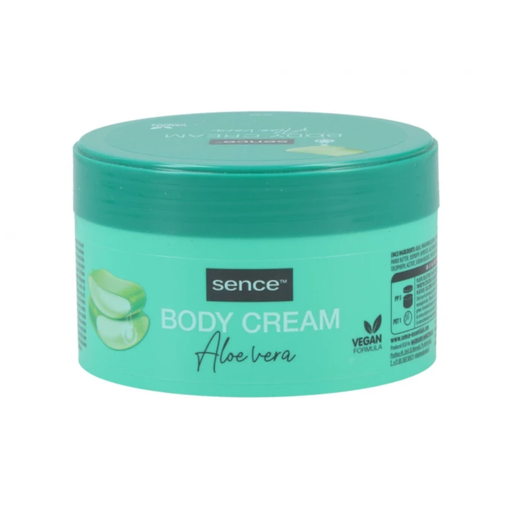
Why it suits this profile: With a quantity of 200 ml and straightforward product positioning, this body cream is suitable for anyone wanting to try everyday body care without immediately choosing a large or luxury product.
The product information mentions aloe vera and hydration, but makes no specific claim about a number of hours. This helps you keep your expectations more realistic.
Aloe vera variant, 200 ml quantity and a fresh fragrance according to the product description.
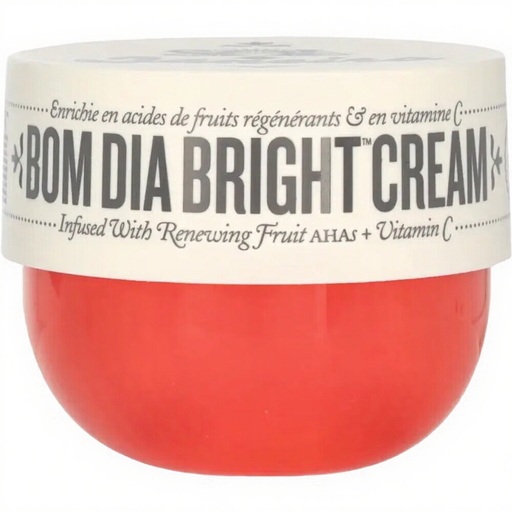
Why it suits this profile: This body cream combines body care with a distinctive fragrance and a richer skincare routine for anyone who places greater value on texture and the overall experience.
The product information explicitly mentions fruit acids, vitamin C and a warning about possible irritation. If you have sensitive skin, carry out a patch test first and follow the instructions on the packaging.
240 ml quantity, fruit acids and vitamin C according to the product description, with a pistachio and salted caramel fragrance.
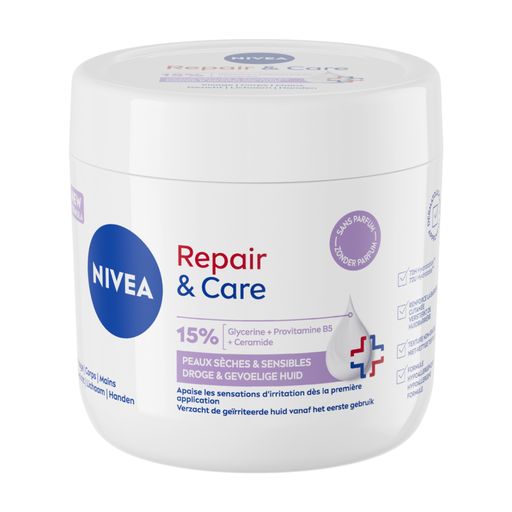
Why it suits this profile: The fragrance-free formula and generous quantity are well suited to everyday use on dry or sensitive skin, particularly if you’re looking for a consistent skincare routine.
The product information states that it contains no perfume and mentions 10% glycerine and panthenol. This makes the formulation easier to assess if you prefer to avoid fragrance ingredients.
400 ml quantity, fragrance-free formula and 10% glycerine plus panthenol according to the product description.
We’ve put together a complete, up-to-date list of products that fully meet these strict selection criteria and the applicable European safety regulations.
That depends on your skin and the season. Applying it every day after showering is a practical routine for dry skin. For normal skin, using it as needed may be enough. Apply extra product to your shins, hands, knees and elbows when these areas feel rough.
A body lotion is generally lighter and absorbs more quickly. A body cream usually has a fuller texture and is more suitable for dry skin. A body butter is richer still and is mainly used on very dry areas. The terminology is not completely standardised, so it’s also worth looking at the ingredients and texture.
According to the product description, a skincare product can support the skin barrier by helping to reduce moisture loss. This does not mean that every product will solve a skin problem. If you experience persistent redness, itching, cracks or irritation, choose a gentle formula and ask a doctor or pharmacist for advice. Stop using the product if it causes irritation.
