
Vandaag of morgen in huis

Kwaliteit gegarandeerd

Welkomstaanbiedingen ontgrendelen: GRATIS bezorging | Tot 80% korting | Gratis 30 dagen JoyPlus-proefperiode
Download de app
A body cream seems like a simple purchase — until you have to choose between body lotion, moisturising cream, nourishing body cream or a product for sensitive skin. The differences go beyond fragrance and price. Texture, ingredients, packaging and product claims all play a part in whether it suits your daily routine.
When comparing products, look out for these three common pitfalls:
The right choice depends on your skin type and when you want to use the cream.
For dry skin, ingredients such as glycerin, urea, panthenol, shea butter and various oils are worth looking for. Glycerin helps attract moisture, while richer ingredients can leave skin feeling less dry. A cream for very dry or rough skin is usually richer than a body lotion.
Texture matters, too. A rich cream is useful for elbows, knees, shins and hands, but may be less practical if you want to get dressed straight after a shower.
For sensitive skin, a short, easy-to-follow ingredients list is often more practical. Consider a fragrance-free body cream and avoid products with ingredients you already know your skin reacts to. Test a new product on a small area of skin first. Stop using it if irritation or a rash develops.
A dermatological approval mentioned in the product information provides details about skin tolerance, but it doesn’t guarantee that everyone will be able to use the product without a reaction.
A light body cream or body lotion is often enough for everyday use. Products containing jojoba oil, vitamin E or glycerin may suit you if you’re mainly looking for soft-feeling skin. A fast-absorbing formula is handy after a shower or if you don’t want your skin to feel sticky during the day.
A face and body cream can be useful for keeping your routine simple. Check that the formula feels comfortable on your face, though, as the skin there may react differently from the skin on your arms or legs.
During pregnancy, your skin may change and feel tight. A pregnancy cream for stretch marks can help you care for your skin daily and keep it feeling supple. Claims about preventing or reducing stretch marks should be interpreted with care: stretch marks are influenced by factors including skin type, genetics and physical changes.
According to Weleda’s product information, 89% of participants in the brand’s own study saw a reduction in visible stretch marks. This is a brand claim based on the stated study conditions, not a guarantee for every use. If you have any concerns about ingredients or using the product during pregnancy, you can discuss the label with your midwife or doctor.
Look for ingredients that suit your needs:
Ingredients may vary by market or product version, so always check the packaging of the product you receive.
A 200 ml jar may seem like good value, but you could get through it quickly if you use the cream all over your body every day. A 400 ml pump bottle is often more practical for regular use and limits contact with the contents.
Compare more than just the total price: check the price per 100 ml too. A luxury body cream in a 175 or 240 ml size may be appealing if fragrance and texture matter to you, while a larger pack may be better for everyday essentials.
Cosmetics have shelf-life information on the packaging. Check the expiry date or the period after opening, often shown as an open jar symbol with a number of months. Store body cream at room temperature and out of direct sunlight, unless the label says otherwise.
Don’t use the product on broken skin, and avoid contact with your eyes. If you’re trying a new formula, it’s a good idea to test it on a small area of skin first.
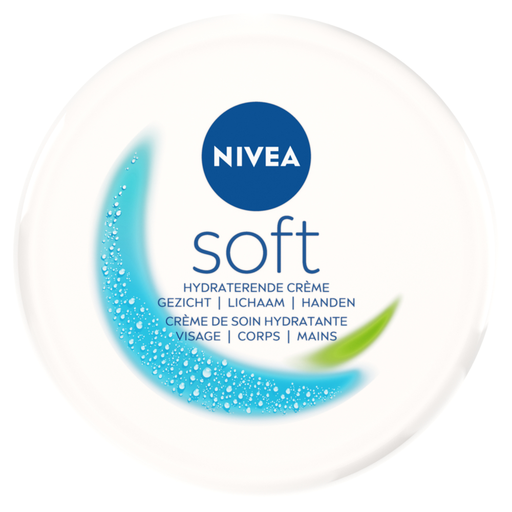
Why it suits this profile: This face and body cream is designed for everyday use on your face, hands and body. Its light texture is suited to a simple routine.
The product information describes a fast-absorbing, non-greasy formula. If your skin is sensitive, check the label for fragrance allergens.
200 ml; with vitamin E and jojoba oil; suitable for the face, hands and body according to the product description.
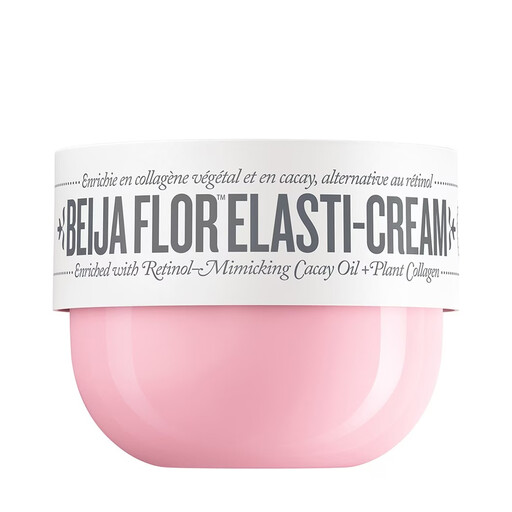
Why it suits this profile: An option for anyone who wants body care with a rich texture and a floral fragrance.
There’s more to consider here than just a firming claim: the product details also include the size, consistency, fragrance and areas of use. Take care if you’re sensitive to fragrance.
240 ml; floral fragrance; vegan and free from parabens, sulphates and mineral oil according to the product details.
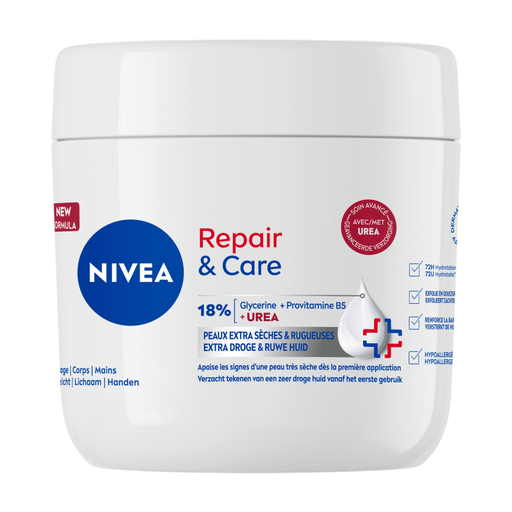
Why it suits this profile: This rich formula is designed for very dry, rough skin, making it a good fit for intensive daily care.
The product information lists the key skincare ingredients and who the product is for. However, the formula contains fragrance, so check the ingredients if you have sensitive skin.
400 ml; with glycerin, urea and provitamin B5; designed for very dry, rough skin according to the product information.
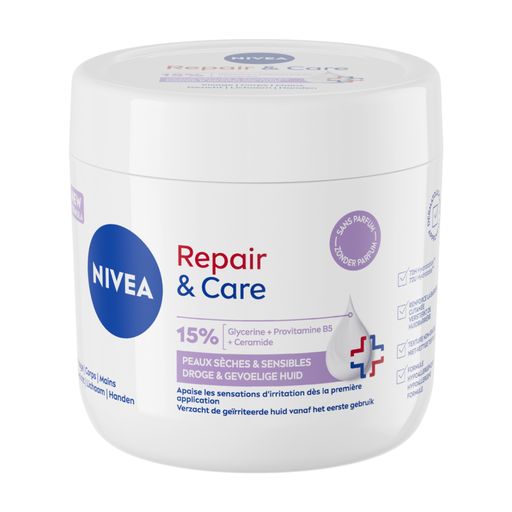
Why it suits this profile: This fragrance-free body cream is designed for dry, sensitive skin and suits anyone who prefers to avoid fragrance in their routine.
According to the product details, the formula contains no fragrance. This avoids the specific fragrance-related pitfall, but a patch test is still a good idea if your skin is reactive.
400 ml; with 10% glycerin and panthenol according to the product description; fragrance-free formula.
We’ve put together a complete, up-to-date list of products that meet these strict selection criteria and the applicable European safety regulations.
Not necessarily. Body lotion is usually lighter and often absorbs quickly. Body cream is generally richer and may feel more comfortable on dry or very dry skin. Choose based on the texture, your skin’s needs and how often you use the product.
Check the packaging for the expiry date and the open-jar symbol. After opening, the texture, fragrance or colour may change. Store the cream as directed on the label and stop using it if it develops an unusual smell or appearance.
It depends on the area of your body and how dry your skin is. Apply an even layer to clean, dry skin and massage it in gently. For everyday use, a larger pack often works out cheaper per 100 ml, while a smaller jar is handy for travel or specific areas.
