
Vandaag of morgen in huis

Kwaliteit gegarandeerd

Welkomstaanbiedingen ontgrendelen: GRATIS bezorging | Tot 80% korting | Gratis 30 dagen JoyPlus-proefperiode
Download de app
Buying a body cream seems simple enough, until you have to choose between a hydrating body cream, body lotion, nourishing body cream or a luxury scented body cream. Marketing copy often promises long-lasting hydration, firmer skin or visibly more even results. However, the packaging doesn't always tell you what is relevant in practice for your skin type.
Most buying mistakes come down to three common pitfalls:
For normal skin, a light body lotion is often sufficient for daily use. Look out for ingredients like glycerine, which appears in many formulas and helps to attract moisture. Jojoba oil, shea butter and plant-based oils can give your skin a richer feel.
For dry or very dry skin, a thicker body cream is usually a better fit. A formula with urea, glycerine, panthenol or shea butter is worth considering. NIVEA Repair & Care Urea Body Cream lists glycerine, urea and provitamin B5 according to the product information. The description mentions a claimed 72 hours of care, based on a self-assessment with 41 volunteers after two weeks of use. See this as information from the brand, not as a universal guarantee.
If you have sensitive skin, choose a simple formula without perfume where possible. Also check the full ingredients list. Dermatological approval of a product's skin tolerance does not mean that every user will tolerate the product without a reaction.
A body lotion usually spreads easily and absorbs quickly. This makes it handy after showering or when you want to get dressed straight away. A body cream is typically richer and can be more suitable for rough areas like elbows, knees and shins.
Products with Q10, vitamin C, fruit acids or other active ingredients need extra attention. NIVEA Q10 products contain Q10 and vitamin C according to the product description. The claim that skin is firmer after seven days is linked to an instrumental test with 44 volunteers or a self-assessment, depending on the variant. So don't expect a guaranteed change and stop if irritation occurs.
A body cream with SPF can be handy for daily exposure, but SPF 15 does not replace a comprehensive sun protection product for prolonged time in the sun. Check the instructions and the recommended amount to use.
Don't just compare the price of a pot or pump bottle; compare the volume too. Products in the range vary in size, for example, from 150 ml to 400 ml. A smaller luxury body cream can work out more expensive per 100 ml, while a large pack is more practical for daily use.
Also check:
A large pack is not automatically better value if you don't like the scent or texture after a few uses. If in doubt, a smaller size can be a sensible first purchase.
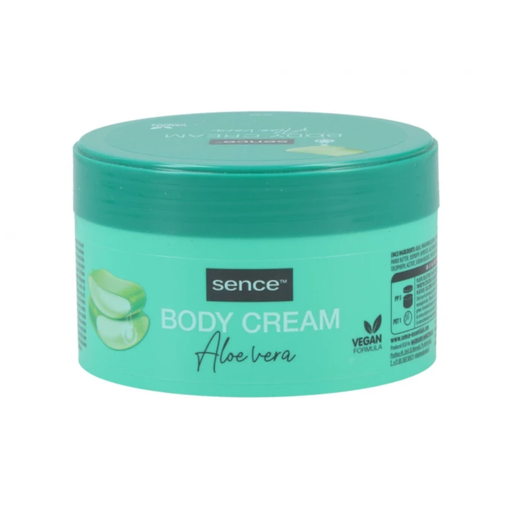
Why this fits the profile: A straightforward 200 ml option for anyone wanting to try a simple body cream first, who values a fresh aloe vera scent.
The product information clearly states the variant, volume and scent. Do check the full ingredients list on the packaging if you have sensitivities.
Aloe vera as a listed ingredient, 200 ml volume and a light, fresh positioning for daily use.
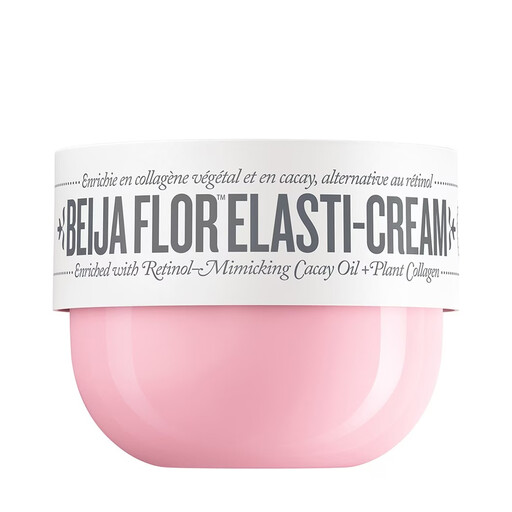
Why this fits the profile: Aimed at those who value richer care, a fast-absorbing texture and a subtle floral fragrance.
The product details mention volume, texture, scent and skin type. The description about collagen support remains a brand claim; those sensitive to that can focus on the texture and ingredients instead.
240 ml, floral fragrance, butters and botanical oils according to the product description, plus a fast-absorbing cream formula.
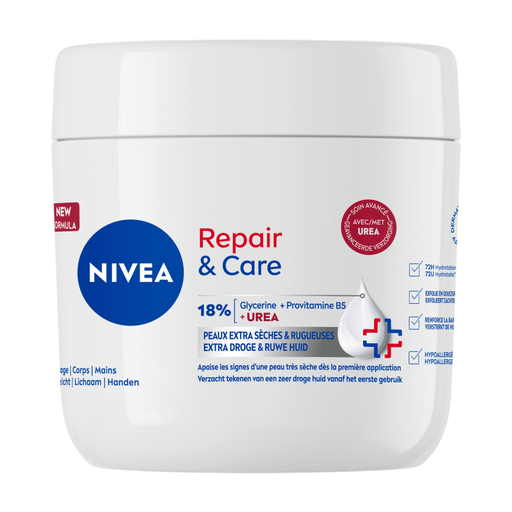
Why this fits the profile: For anyone looking for a richer body cream for very dry and rough areas, who regularly uses a larger pack.
The formula specifically lists glycerine, urea and provitamin B5. The claimed 72 hours of care is based on a self-assessment according to the brand and is not a guaranteed outcome for every user.
400 ml volume, urea in the ingredients list and a formula that, according to the description, supports the skin barrier.
Preferably, apply the cream to clean, slightly damp skin after showering. This helps you spread the product evenly and avoid using too much. Pay extra attention to shins, knees, elbows and other dry areas.
If you have sensitive skin, first test a small amount on a limited area. Do not use a product on broken skin unless the packaging explicitly says so. Stop if you experience redness, itching or a burning sensation, and consult a doctor or pharmacist if symptoms persist.
We have put together a full, up-to-date list of products that fully meet these strict selection criteria and comply with current European safety regulations.
That depends on your skin and preference. Body lotion is often lighter and easier to apply daily. A body cream usually has a richer texture and can be more pleasant for dry or rough skin. Compare ingredients, feel on the skin and volume.
Check the expiry date and the symbol showing the period after opening on the packaging. An indication like 12M usually means the product is intended for use within twelve months of opening. Store the cream according to the instructions and look out for changes in scent, colour or texture.
Only when the packaging says so. Some NIVEA formulas are intended for face, hands and body, while others are offered exclusively as body care. Check the instructions and avoid products with a strong fragrance if your face is sensitive to it.
