
Vandaag of morgen in huis

Kwaliteit gegarandeerd

Welkomstaanbiedingen ontgrendelen: GRATIS bezorging | Tot 80% korting | Gratis 30 dagen JoyPlus-proefperiode
Download de app
A body cream might seem simple to choose, until you’re standing in front of a shelf or browsing a webshop full of lotions, body butters and barrier creams. A light cream can feel pleasant, but may not provide enough comfort for very dry skin. A rich product, on the other hand, can feel sticky under clothing. And terms like “48-hour hydration” or “visibly firmer skin” don’t always explain how the claim is backed up.
The following pitfalls are common:
For normal to dry skin, a light, fast-absorbing moisturising cream is often sufficient. Glycerine, jojoba oil and vitamin E are found in daily formulas such as NIVEA Soft. If you suffer from a tight feeling or rough elbows, you might consider a richer cream.
For very dry skin, glycerine, urea, panthenol, shea butter and occlusive ingredients are relevant. Urea helps retain moisture in the upper layers of the skin, while richer ingredients can make the skin’s surface feel comfortable. A cream with a high urea percentage can be more intensive, but may not be pleasant for everyone on sensitive or damaged skin.
Ingredients are listed in descending order of quantity. For a body cream for dry skin, look out for:
A product description is no guarantee that a cream will suit every skin type. Test a new product on a small area of skin first and follow the usage instructions on the packaging.
A 400 ml pot is practical for daily use on legs, arms and torso. A 50 or 75 ml tube is more convenient for your bag, desk or holiday, but runs out faster with generous use. For face and body, it’s important to check whether the manufacturer mentions both areas of application. A face and body cream can be handy, but the texture and fragrance must also suit your facial routine.
Claims about stretch marks, pigmentation spots or firming should also be assessed realistically. According to NIVEA’s own research, Luminous 630 mentions a reduction in the visibility of stretch marks and pigmentation spots from four weeks. That is a brand claim with a specific usage period, not a guarantee for every skin type or every area.
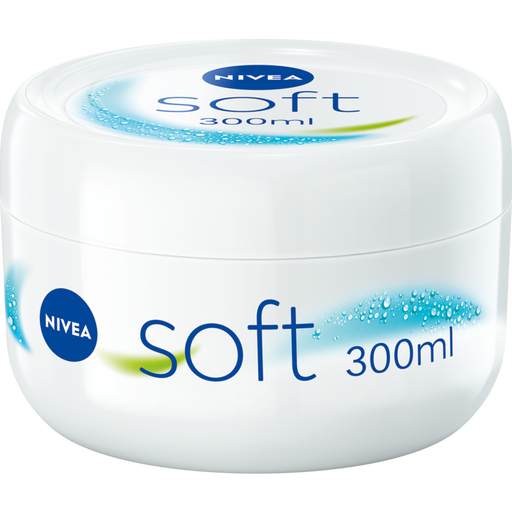
Why this fits the profile: An accessible cream for daily use on face, hands and body, with a light texture that absorbs quickly.
The product information clearly states the size, application and fast absorption. This way you know in advance that this is not a heavy body butter.
300 ml size; glycerine, vitamin E and jojoba oil; according to NIVEA’s own research, up to 48 hours of hydration.
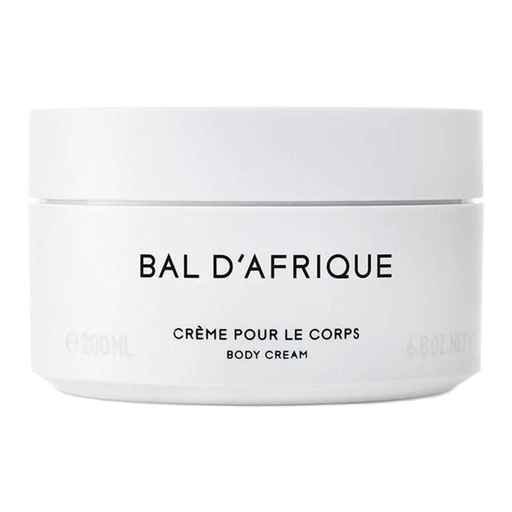
Why this fits the profile: For those who want to combine body care with a refined fragrance and a richer cream experience.
The product details mention 200 ml, shea butter and fragrance. This allows you to weigh the fragrance choice and rich formula against your own preferences.
200 ml size; shea butter and glycerine in the ingredients list; subtle fragrance according to the product description.
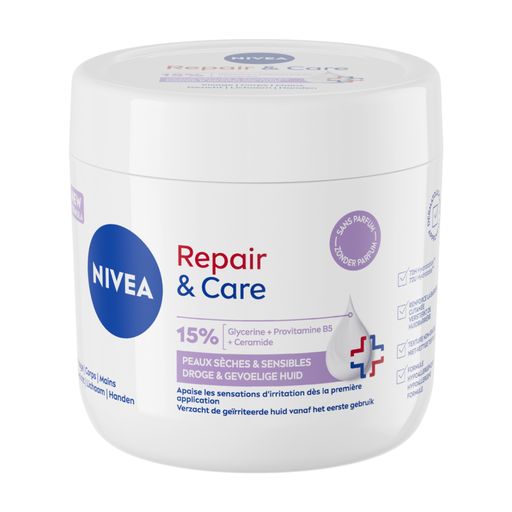
Why this fits the profile: Aimed at shoppers looking for a fragrance-free cream for dry and sensitive skin, who regularly care for large areas of the body.
According to the product information, the formula is fragrance-free. It also explicitly mentions 10% glycerine and panthenol.
400 ml size; fragrance-free formula according to the description; contains 10% glycerine and panthenol.
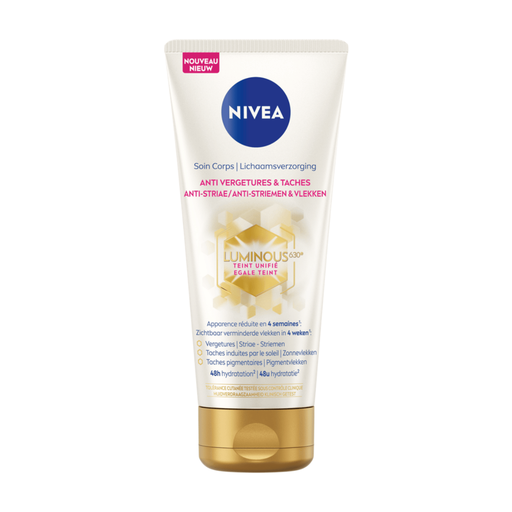
Why this fits the profile: For those who, in addition to hydration, are specifically looking for a cream against stretch marks or visible pigmentation spots in their body care routine.
The product description mentions a light texture, 200 ml size and a usage period. The claim from four weeks remains a brand claim, not a guaranteed outcome.
Light texture; glycerine and shea butter; according to NIVEA’s own research, up to 48 hours of hydration and visible reduction of stretch marks from four weeks.
We’ve put together a full, up-to-date list of products that fully meet these strict selection criteria and comply with current European safety regulations.
Apply the cream to clean, slightly damp skin, for example after showering. This helps you spread the product more evenly and prevents using too much. Pay extra attention to shins, knees, elbows and hands. A rich cream can be especially pleasant in the evening; during the day, a fast-absorbing lotion often works better under clothing.
Check for each product:
Body lotion is usually lighter and absorbs more quickly. Body cream often has a fuller texture and is suitable for daily use on dry skin. Body butter typically contains more butters and oils and feels richer. The right choice depends on your skin type, the season and how easily you want it to spread.
Follow the expiry date and the information about use after opening on the packaging. Store the cream according to the instructions, usually at room temperature and out of direct sunlight. Close a pot or tube properly and do not use a product whose smell, colour or texture has clearly changed.
Use enough to create a thin, even layer. Too little product doesn’t spread well; too much can feel sticky and run out faster. Start with a small amount and add more if needed, especially with a rich cream or body butter.
