
Livraison le jour même et le lendemain

Qualité garantie

Débloquez vos offres de bienvenue: Livraison GRATUITE | Jusqu'à -80 % | 30 jours d'essai gratuits à JoyPlus
Téléchargez l'application
A body cream may seem like a simple product, but the difference between enjoyable daily skincare and a disappointing purchase often comes down to the details. A cream might be too greasy for daytime use, have a strong fragrance or not be quite right for dry or sensitive skin.
As a Joybuy Product Recommendation Officer, I check product information against verifiable details: ingredients, size, intended use, texture and warnings. This can help you assess marketing claims and choose a body cream that suits your routine.
Claims such as “48-hour” or “72-hour hydration” aren’t automatically comparable across brands. According to NIVEA product information, results like these may be based on instrumental tests, self-assessments or studies involving a limited number of participants. So also check:
A product for all skin types may contain perfume or fragrance allergens. For example, the NIVEA Crème Tin lists perfume and several fragrance ingredients, such as limonene, linalool and geraniol. That doesn’t automatically make it unsuitable, but a cream for sensitive skin calls for extra care around perfume, alcohol and other ingredients that may irritate some people.
A cream for the face, neck, feet or a specific area of the body often has a different purpose. A product with SPF 30, such as Martiderm Skin Repair Arnica Gel Cream, is a gel cream intended for targeted use, not a general moisturising body cream. So always check the area of application before you order.
A light body lotion may be enough for normal skin. If your skin is dry or very dry, you may benefit more from a richer body cream containing glycerine, shea butter, panthenol or urea.
Look out for the differences between:
Ingredients such as glycerine help retain moisture in the upper layer of the skin, according to their function in the product. That doesn’t mean every cream feels the same or will give the same results for everyone.
A rich cream feels good on elbows, knees, hands and heels, but may be less practical if you want to get dressed straight away. A lotion or light cream usually absorbs more quickly.
According to its product description, NIVEA Soft Body Cream contains glycerine, vitamin E and jojoba oil, and is designed to absorb quickly for use on the face and body. The richer NIVEA Creme Tin, on the other hand, is suitable for drier areas but may feel greasier.
Compare more than just the price: consider the size and how you’ll use the product too. A 400 ml pump bottle is handy for daily use all over the body. A 50 ml tube is more practical for a specific area or for taking with you.
Also check:
If you have persistent skin problems or a strong reaction, it’s sensible to stop using the product and seek medical advice. Cosmetics are not a substitute for treatment.
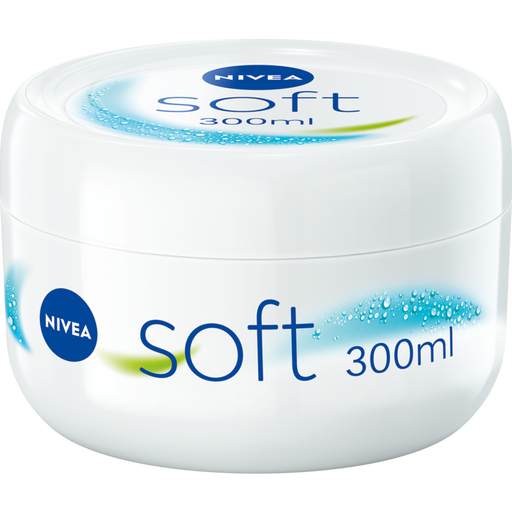
Why it suits this profile: A versatile cream for the face, hands and body. Its light texture is suitable for everyday use if you don’t want a heavy body cream.
The product description mentions a fast-absorbing, non-greasy formula. If your skin is sensitive, check the listed perfume and fragrance ingredients.
300 ml size; contains glycerine, vitamin E and jojoba oil according to the ingredients list; suitable for several areas of the body.
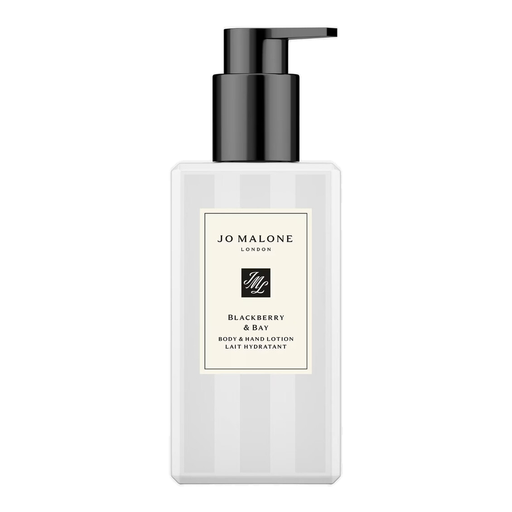
Why it suits this profile: For anyone who wants to combine skincare with a distinctive fragrance and a nourishing formula for the body and hands.
The size, intended use and fragrance variant are clearly specified. Because of its fragrance composition, it isn’t the most obvious choice for a fragrance-free routine.
250 ml size; coconut oil, jojoba and seaweed extracts are listed in the product information; intended for the body and hands.
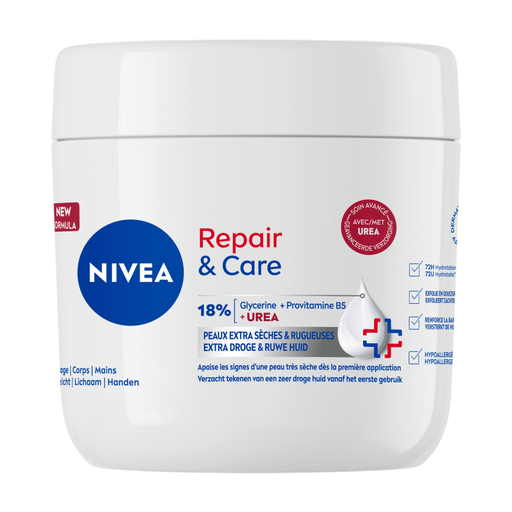
Why it suits this profile: Designed for very dry, rough skin, especially if an ordinary body lotion doesn’t feel rich enough.
The formula is specifically described as being for very dry, rough skin. The recommended use and any sensitivity to perfume are still worth considering.
400 ml size; contains glycerine, urea and provitamin B5 according to the ingredients list; intended as intensive body care.
A body cream with Q10 may be worth considering if you’re specifically looking for care for skin that feels less firm. According to NIVEA’s own research, claims about firmness and elasticity are based on factors including instrumental tests, self-assessments or small user groups. Treat these figures as product information, rather than a guarantee for everyone.
A body cream with glycerine is often a practical choice for dry skin, as glycerine is found in many moisturising formulas. If you have sensitive skin, a fragrance-free option such as NIVEA Repair & Care Sensitive Body Lotion may be a better fit. According to the product description, this lotion contains 10% glycerine, panthenol and vitamin E, and its formula is fragrance-free. Check the current packaging, as formulations can change.
Apply body cream to clean, slightly damp skin, for example after showering. This makes the product easier to spread, and you’ll usually need less. Pay extra attention to your hands, elbows, knees, feet and heels. You can use a rich cream on specific areas, while a lotion is more convenient for your arms, legs and torso.
We’ve put together a complete, up-to-date list of products that meet these strict selection criteria and the applicable European safety regulations.
If you have dry skin, you can apply it daily, preferably after showering. Dry areas such as your hands, knees and heels can be moisturised more often if needed. Always follow the directions on the packaging.
Body lotion is usually lighter and absorbs more quickly. Body cream is often richer and suitable for dry or very dry areas. The exact texture depends on the formula and ingredients.
Check the expiry date and the symbol showing the period after opening. Store the packaging somewhere cool and dry, away from direct sunlight. Stop using the product if its smell, colour or texture changes noticeably.
