
Vandaag of morgen in huis

Kwaliteit gegarandeerd

Welkomstaanbiedingen ontgrendelen: GRATIS bezorging | Tot 80% korting | Gratis 30 dagen JoyPlus-proefperiode
Download de app
A body cream might seem like a simple product, but the difference between a satisfying purchase and a pot that sits unused often comes down to the details. A texture that's too thick can feel sticky under clothing. A strong fragrance might not suit daily use. And a package that promises a lot doesn't automatically tell you about the formulation or how easy it is to use.
That's why, as a Joybuy Product Recommendation Officer, I focus on verifiable information: skin type, ingredients, volume, texture, fragrance, area of use, and the evidence behind the claims. This way, you can find a body cream that fits your routine more effectively.
Terms like "72-hour hydration", "firming" or "even skin tone" sound clear, but the measurement method varies from brand to brand. With the NIVEA Repair & Care Urea Body Cream, the 72-hour claim, for example, is based on a self-assessment with 41 volunteers, where the measurement took place after two weeks of use. That's a different kind of information from an independent comparison across multiple products.
Always read the small print and check whether it's a self-assessment, an instrumental test, or brand research. A result based on the brand's own research doesn't guarantee the same outcome for every user.
A luxury body cream or a fragranced body cream can be pleasant, but perfume and fragrance ingredients like limonene, linalool and citronellol are common in body products. If you react quickly to scent, it's better to choose a fragrance-free body cream or test a small amount on a limited area of skin first.
Also, a product with "aloe vera", coconut or botanical oils isn't automatically suitable for every skin type. Always check the full ingredients list on the product page and packaging.
A 200 ml pot might seem good value, but a larger 400 ml bottle could work out more economical for daily use. Compare the price per 100 ml, the amount you need, and how often you apply it. A rich body cream you only use on dry areas can last longer than a light body lotion you apply all over your body.
For a body cream for dry skin, look out for humectants like glycerine and urea. The NIVEA Repair & Care Urea Body Cream lists glycerine, urea and provitamin B5. The product information also mentions 18% glycerine and support for the skin barrier. Always check the actual packaging when you receive it, as product formulas can change.
For a body cream for sensitive skin, a fragrance-free formula and a short ingredients list are practical points to consider. The NIVEA Repair & Care Sensitive Body Cream lists 10% glycerine, panthenol and a fragrance-free formulation. Stop using it if irritation occurs and avoid contact with the eyes.
A body lotion is usually lighter and absorbs more quickly. A nourishing body cream is often richer and better suited to dry areas like elbows, knees and lower legs. If you get dressed straight after showering, you might prefer a fast-absorbing formula.
Also pay attention to the packaging. A pump bottle is handy for daily use and helps with hygienic dispensing. A pot can be more practical for a thick cream, but requires clean hands every time you use it.
A body cream with SPF can be useful for daily use on uncovered skin. NIVEA Soft Daily UV Body Cream lists SPF 15 and UVA and UVB filters. However, SPF 15 is not a reason to extend your time in the sun. Apply sufficient sun protection and follow the instructions on the packaging. For intense sun or a long day outdoors, a product with a higher protection factor may be more suitable.
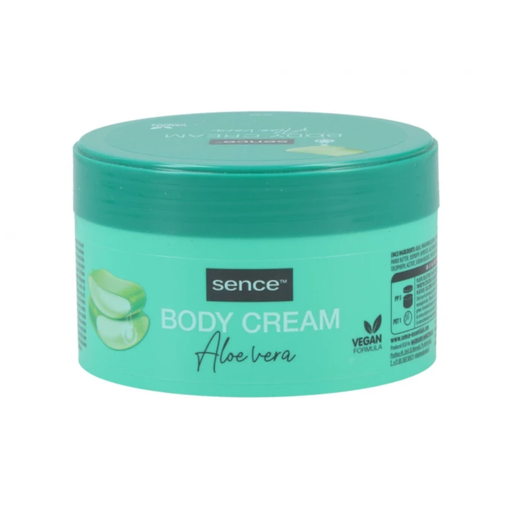
Why this fits the profile: A straightforward product for anyone looking for an affordable body cream for daily use, without committing to a large pot straight away.
The volume is clearly stated as 200 ml. This makes it easy to compare the price and quantity with larger pots.
Aloe vera according to the product description, 200 ml volume and a fresh fragrance.
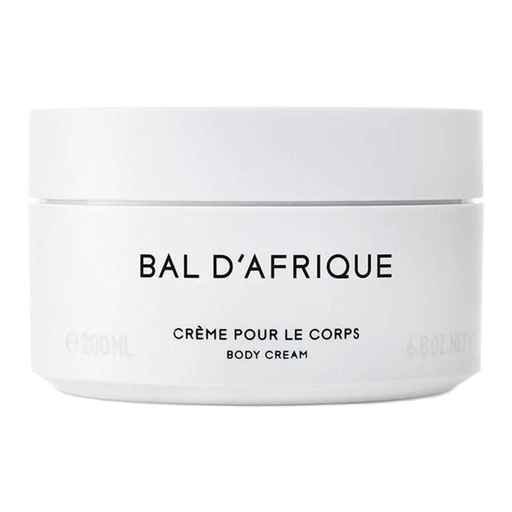
Why this fits the profile: For those who want to combine skincare with a refined fragrance experience and are looking for a luxury body cream for a daily ritual.
The ingredients list is available, so you can check for perfume, shea butter and UV filters before you buy.
200 ml volume, shea butter in the ingredients list and a fragranced formula.
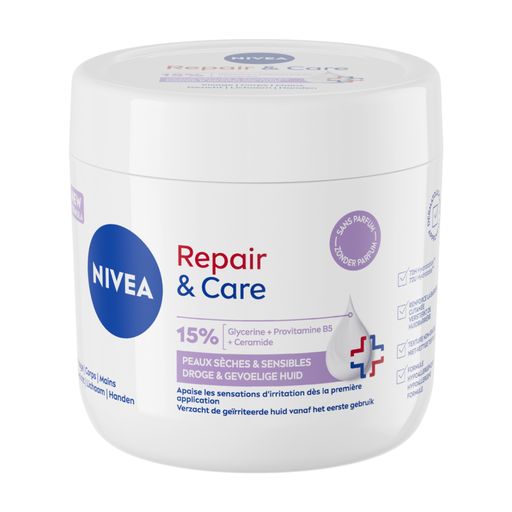
Why this fits the profile: A practical choice for people looking for a fragrance-free body cream with a larger volume for regular use.
According to the product information, the formula is fragrance-free. This prevents you from buying a fragranced product when you specifically want to avoid scent.
10% glycerine, panthenol, 400 ml volume and, according to the brand, up to 72 hours of hydration.
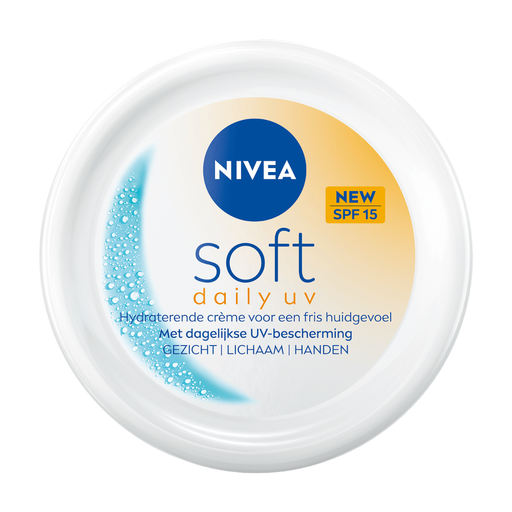
Why this fits the profile: Handy for anyone looking for a light cream for body, hands and face that also includes a UV filter in the formula.
The protection factor is clearly stated as SPF 15. This allows you to distinguish this cream from a body lotion without a UV filter.
250 ml volume, SPF 15 and, according to the product description, a light, non-greasy texture.
We've put together a full, up-to-date list of products that fully meet these strict selection criteria and comply with current European safety regulations.
Apply a moisturising body cream to clean skin, ideally after showering when your skin is still slightly damp. Spread the cream in a thin layer and pay extra attention to dry areas. A richer formula doesn't need to be applied thickly everywhere.
When trying a new body cream, a small patch test is wise, especially if you have sensitive skin or the formula contains perfume, fruit acids or other active ingredients. Do not use the product on broken skin and always follow the instructions on the packaging.
Not automatically. A body lotion often has a lighter texture and is pleasant for large areas and daily use. A rich body cream can be more suitable for dry skin or specific areas. The right choice depends on texture, ingredients and how often you want to apply it.
Check the expiry date and the symbol for the period after opening on the packaging. Do not use a pot for longer than indicated and look out for changes in smell, colour or consistency. Store the cream according to the instructions, usually at room temperature and away from direct sunlight.
That depends on the texture and the area of the body. Start with a small amount and add more if needed. When comparing costs, don't just look at the selling price, but also the volume in millilitres and how often you use the product.
