
Livraison le jour même et le lendemain

Qualité garantie

Débloquez vos offres de bienvenue: Livraison GRATUITE | Jusqu'à -80 % | 30 jours d'essai gratuits à JoyPlus
Téléchargez l'application
Buying a body cream seems straightforward, until you have to choose between a moisturising cream, body lotion, face cream or hand cream. A rich texture can feel comfortable on dry elbows, but too heavy on oily skin. A fresh fragrance can make daily use more appealing, but may be less suitable for sensitive skin.
Marketing copy does not always make the choice any easier. Focus instead on the formula, the intended area of use and the information on the label.
Words such as “repairing”, “rejuvenating” or “soothing” sound clear, but they do not automatically tell you what you will notice on your skin. According to a brand’s own research or product information, certain ingredients may contribute to a particular user experience, but results vary from person to person.
So check the ingredients list and make sure the cream is intended for your skin type. A cream for dry skin, for example, often contains glycerine, oils, butters or occlusive ingredients. A lightweight gel cream may be a more sensible choice for oily or combination skin.
A pleasant fragrance is a matter of personal preference, not proof of better care. Perfume and fragrance ingredients may be less suitable for some users, particularly if their skin reacts easily. Check the ingredients for substances including parfum, limonene, linalool and geraniol.
If you are looking for a cream for sensitive skin, it is better to choose a simple formula and test a small amount first. Stop using the product if irritation occurs and avoid contact with the eyes.
A product may be described as suitable for several areas of the body, but facial skin often has different preferences from, for example, your knees or hands. A thick body cream can feel heavy on the face. Conversely, a lightweight face cream may not provide enough protection for very dry hands.
Choose a texture that suits your routine:
A fast-absorbing formula is useful when you want to get dressed straight away. A richer cream may be better suited to your evening routine.
Look for glycerine, hyaluronic acid, panthenol, squalane, plant oils and butters. These ingredients have different roles within a formula. Glycerine and hyaluronic acid are often used as humectants, while oils, waxes and silicones can help the skin feel softer.
If you want to support skin barrier repair, ceramides, cholesterol and fatty acids are interesting ingredients to look out for. This does not mean that a cream replaces medical treatment. Product information about “barrier repair” should therefore be understood as a cosmetic use claim, not a guaranteed effect.
Do not compare only the price of a jar; consider the amount it contains too. A 200 or 240 ml jar is practical for the body, while a 50 or 60 ml tube is better suited to a facial skincare routine.
Also check:
A statement such as “dermatologically tested” describes a product feature, but does not guarantee that every user will tolerate the product without problems.
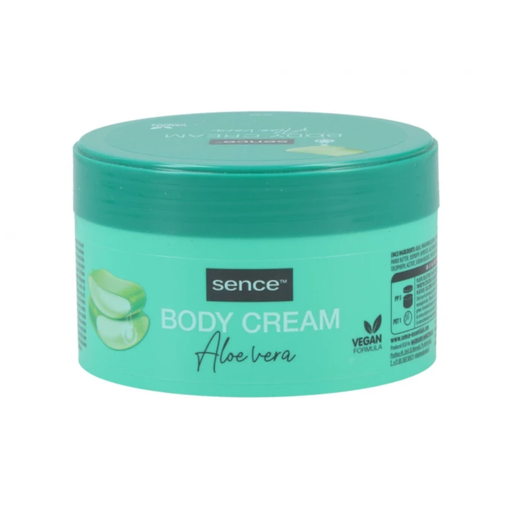
Why it suits this profile: A simple 200 ml body cream for everyday use on the body, without a complicated routine.
The product information clearly states that it is a body cream and contains 200 ml. Check the packaging for the complete ingredients and shelf-life information.
Aloe vera is listed as an ingredient, along with a 200 ml size and a fresh fragrance according to the product description.
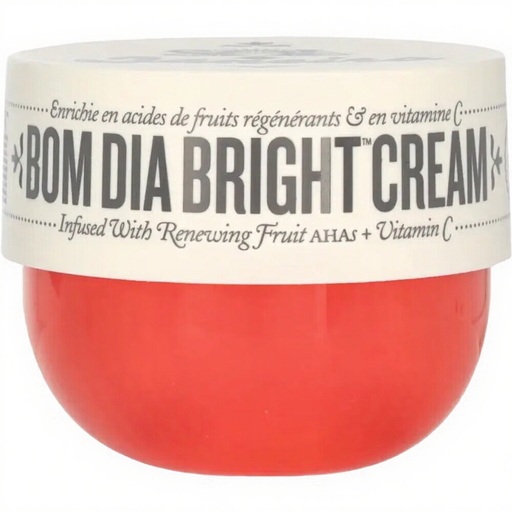
Why it suits this profile: For those who want to combine body care with a distinctive fragrance experience and a richer cream texture.
The description explicitly mentions AHAs and vitamin C. If your skin is sensitive to active ingredients, it is advisable to carry out a patch test first.
A 240 ml size, pistachio and salted caramel fragrance, and a body cream formula according to the product specifications.
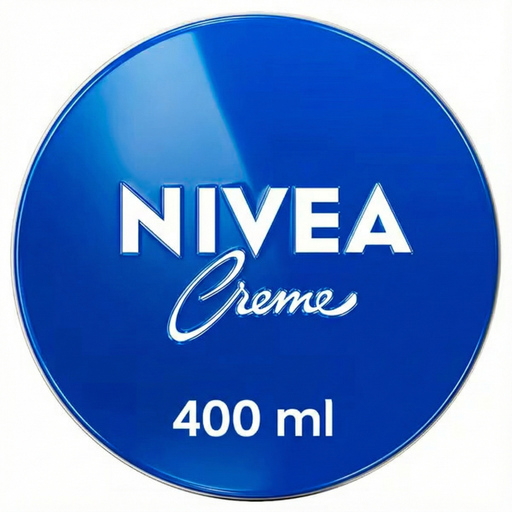
Why it suits this profile: For those who want to use one rich cream on the face, body and hands, with extra attention to dry areas.
The intended use and size are clearly stated. The formula contains perfume and fragrance ingredients, so check this beforehand if your skin is sensitive to them.
A 400 ml size, panthenol in the ingredients list and use on the face and body according to the product information.
We have put together a complete, up-to-date list of products that fully meet these strict selection criteria and the applicable European safety regulations.
That depends on the product. Some creams, such as NIVEA Soft, are described as suitable for the face, body and hands. Other body creams are intended for the body only. Always check the intended area of use, and pay particular attention to perfume, oils and a heavy texture when using a product on your face.
Use body cream whenever your skin feels dry or tight, for example after showering. Apply the cream to clean, slightly damp skin to make it easier to spread. You can use hand cream more frequently, especially after washing your hands.
Look for the open-jar symbol, for example 12M, and also follow the shelf-life information on the packaging. Store the cream in a cool, dry place away from direct sunlight. Has the fragrance, colour or texture changed? It is best not to use the product any longer.
